Weather Station Data Loggers
Engineered to securely aggregate, store, and transmit meteorological parameters from multiple sensors to local databases or advanced cloud-based telemetry platforms.
Widely Used By
Meteorologists Agronomists Solar PV Operators Environmental Agencies Aviation Authorities
Key Capabilities
Edge Computing Remote Telemetry Protocol Translation Zero-Loss Backup SCADA Integration
Single Tap to Scroll • Double Tap to Open Catalog
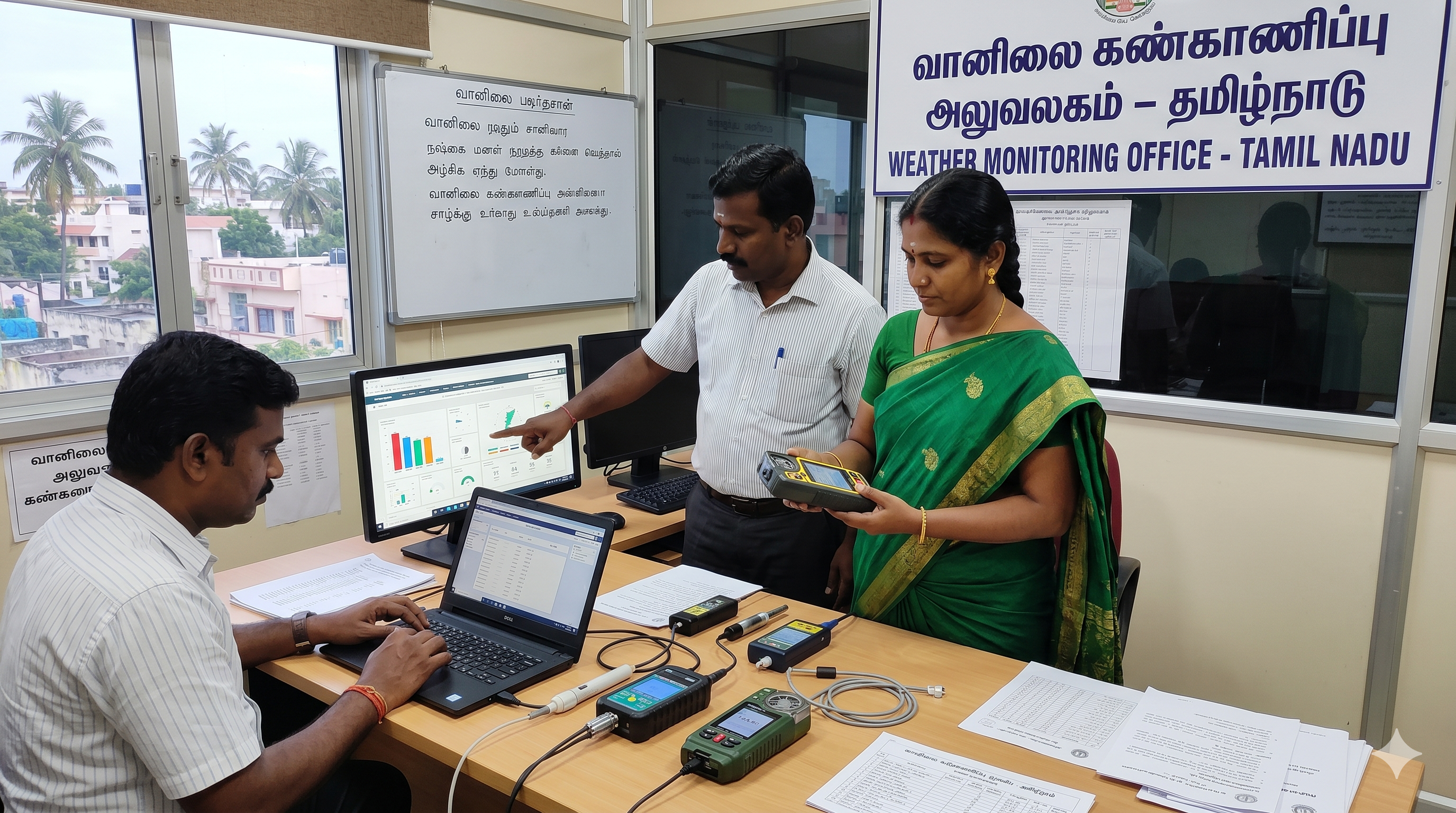
Portable Data Loggers
- Lightweight, battery-powered loggers for temporary field studies.
- Built-in displays for instant, on-site data verification.
- Quick-deploy enclosures resistant to shock and moderate weather.
- Ideal for environmental consultants conducting short-term audits.
Access Catalog

Fixed / Industrial Loggers
- Permanent, robust installations for continuous 24/7 logging.
- Features extensive analog and digital I/O channels for complex arrays.
- Housed in NEMA 4X / IP66 rated metallic or fiberglass enclosures.
- Integrates seamlessly into existing factory power grids and networks.
Access Catalog
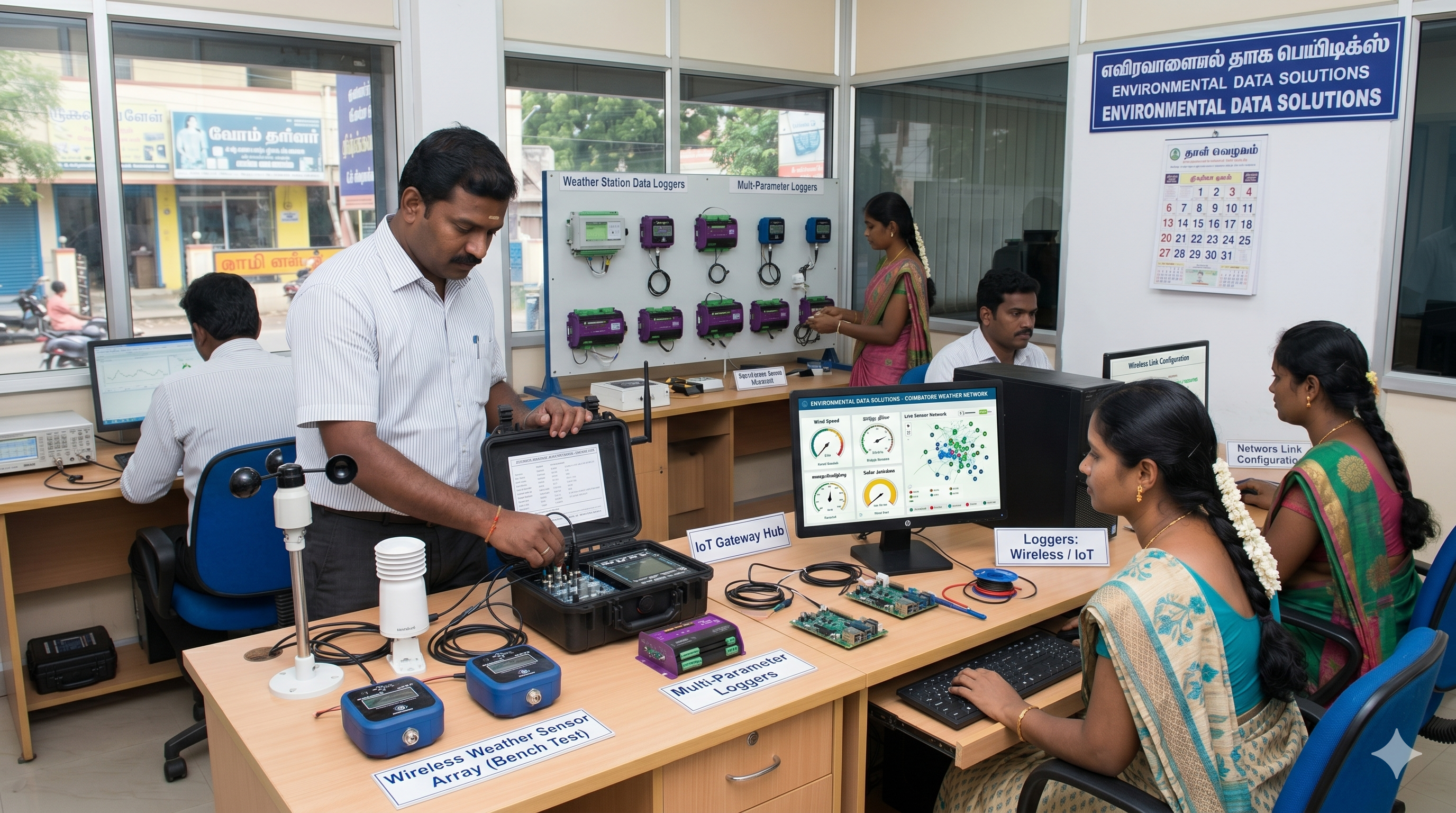
Multi-Parameter Loggers
- Simultaneously tracks wind, rain, irradiance, temp, and humidity.
- Handles varied signal inputs (4-20mA, 0-5V, Pulse, Modbus).
- Prevents data siloing by unifying all meteorological strings.
- Features smart analog-to-digital conversion at the edge.
Access Catalog

Wireless / IoT Loggers
- Transmits data utilizing advanced LoRaWAN, Zigbee, or Wi-Fi.
- Drastically reduces installation costs by eliminating long cable runs.
- Ideal for sprawling agricultural fields or large solar plant networks.
- Provides real-time dashboards accessible from any smart device.
Access Catalog

GSM / Cloud-Based Loggers
- Equipped with 4G/LTE cellular modems for ultimate global reach.
- Pushes encrypted data directly to AWS, Azure, or proprietary clouds.
- Crucial for monitoring isolated, off-grid environmental stations.
- Automates SMS and email alert systems for critical weather events.
Access Catalog

USB / PC Interface Loggers
- Cost-effective loggers prioritizing secure, manual data retrieval.
- Features direct USB-C or RS-232 connections for local laptops.
- Includes proprietary software for deep dive graphing and CSV export.
- Ensures closed-loop security for sensitive research installations.
Access Catalog
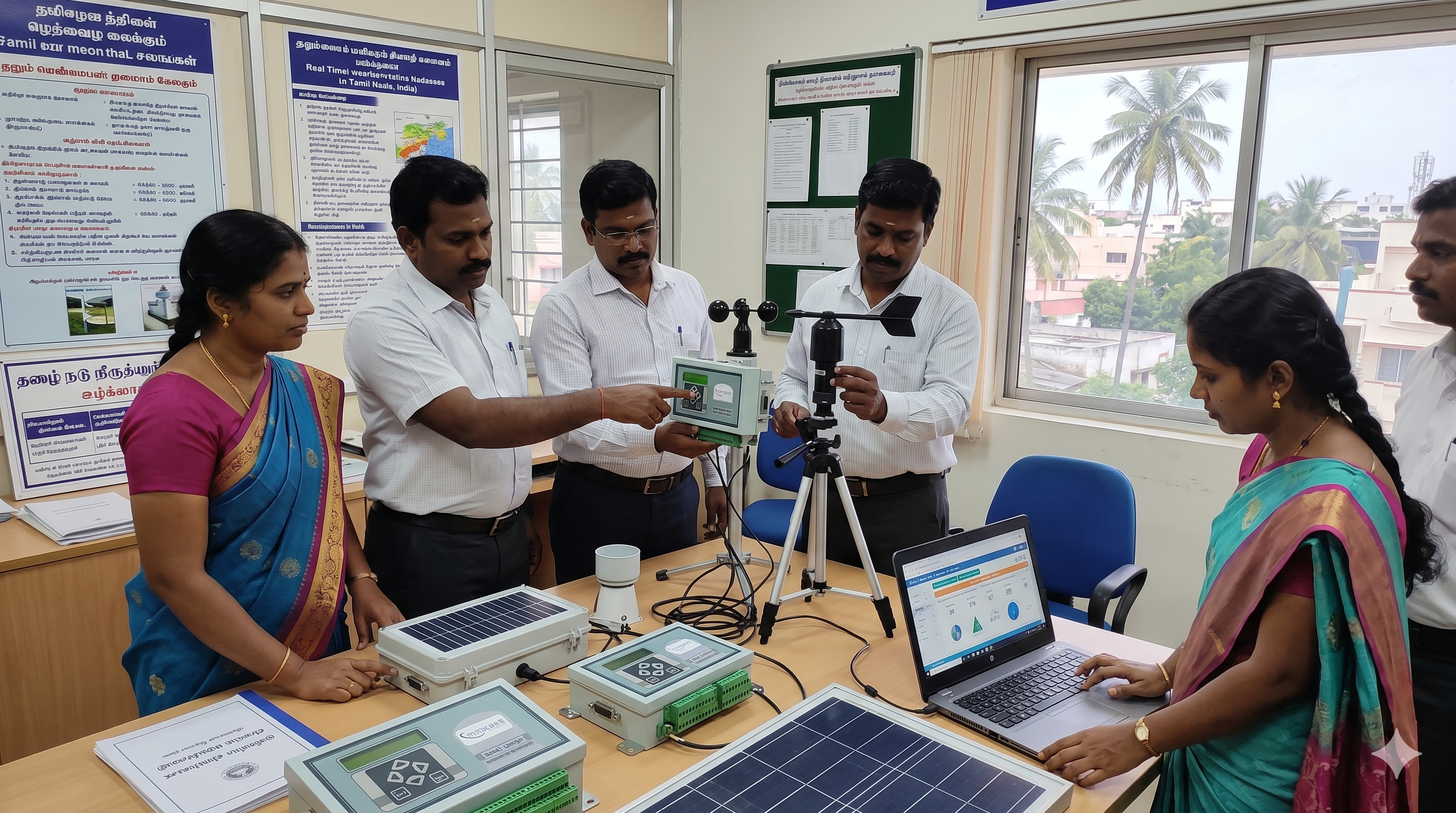
Solar-Powered Loggers
- 100% self-sustaining units featuring integrated mini-PV panels.
- Includes deep-cycle gel or lithium backup batteries for night operations.
- Eliminates the necessity for grid power trenching in remote locations.
- Designed for years of autonomous, zero-maintenance data collection.
Access Catalog
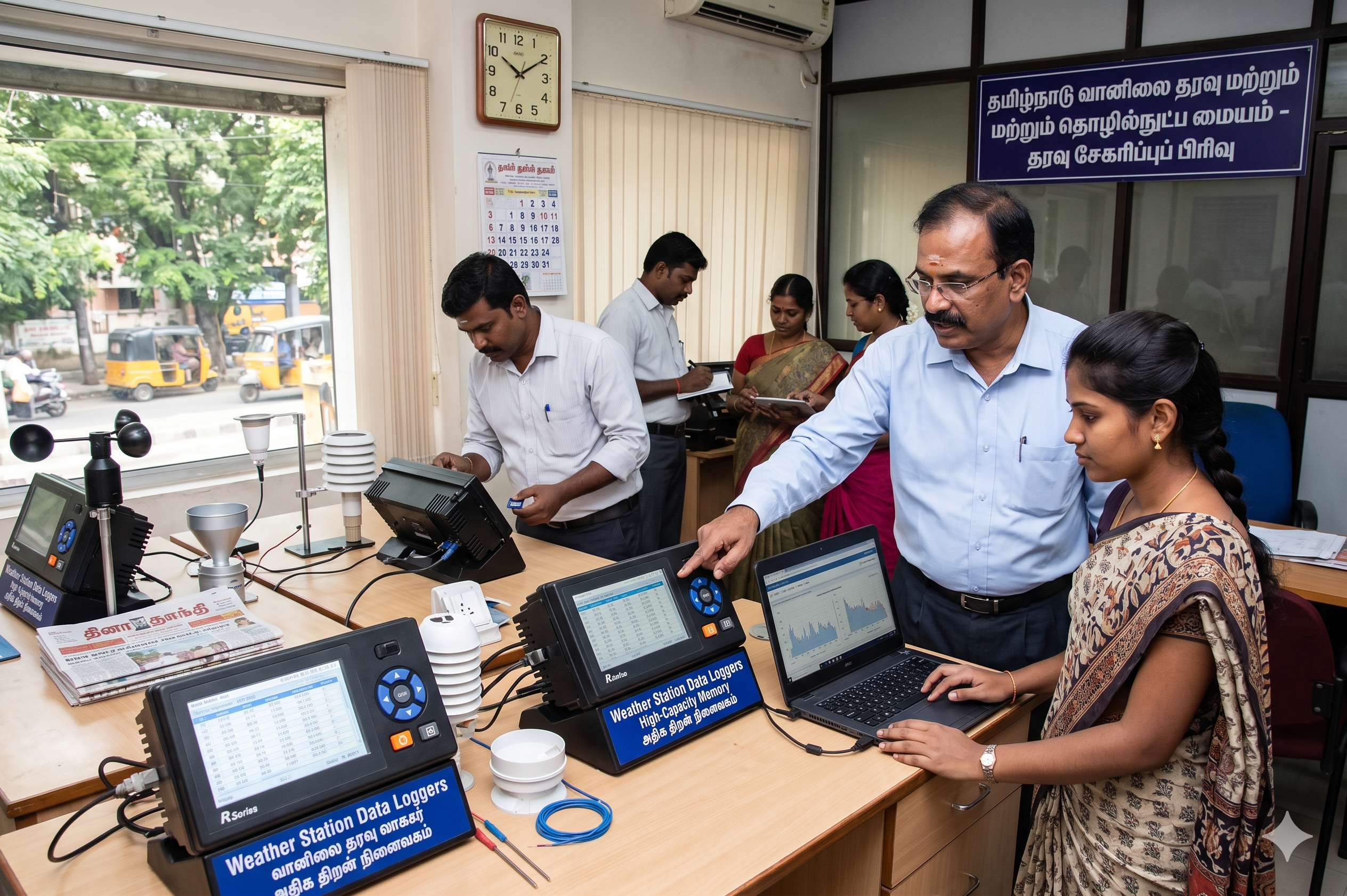
High-Capacity Memory
- Engineered with industrial-grade SD/microSD expandable storage.
- Capable of holding millions of high-frequency records locally.
- Prevents data loss during prolonged cellular or network outages.
- Essential for compliance auditing requiring long-term historical proof.
Access Catalog
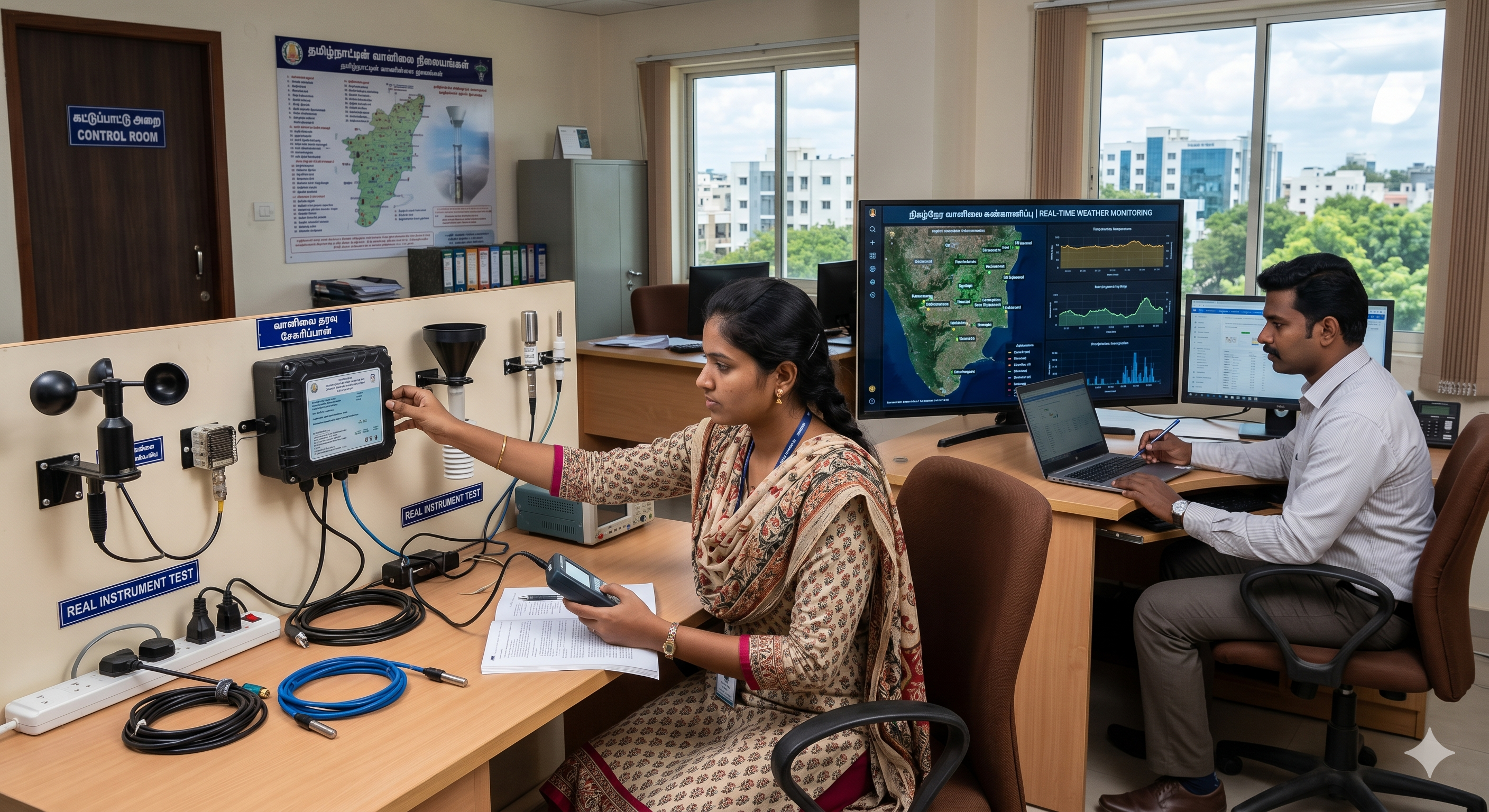
Real-Time Monitoring
- Focuses on sub-second polling rates for immediate data streaming.
- Critical for aviation weather and dynamic structural wind-loading.
- Features ultra-low latency processing architectures.
- Provides live feed integration into emergency command centers.
Access Catalog
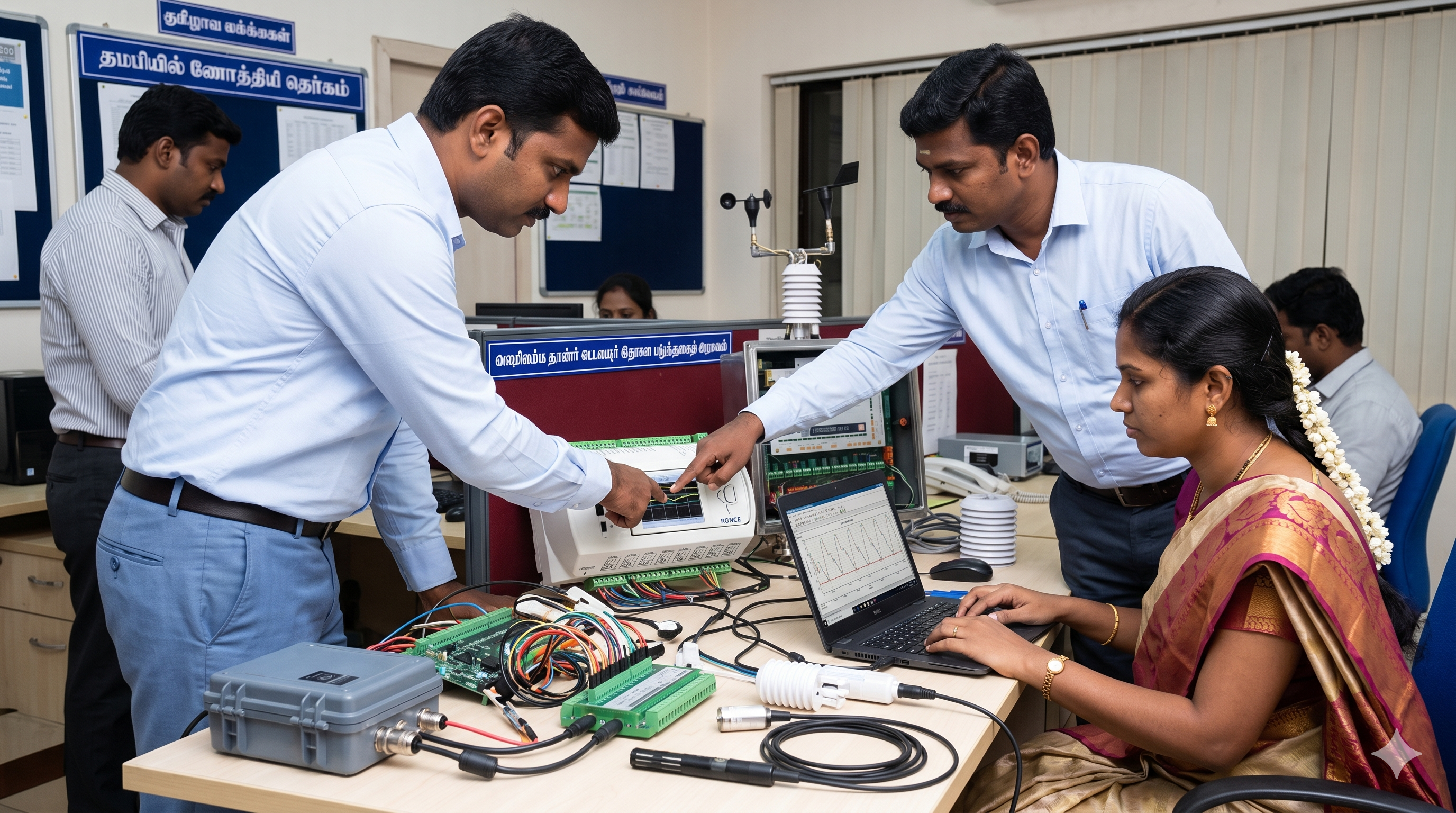
Environmental Logging Systems
- Holistic stations combining metrology with air and water quality.
- Used extensively by governments for national park and river studies.
- Employs complex multi-modal sensor inputs into a single master logger.
- Built specifically to survive extreme ecological temperature shifts.
Access Catalog
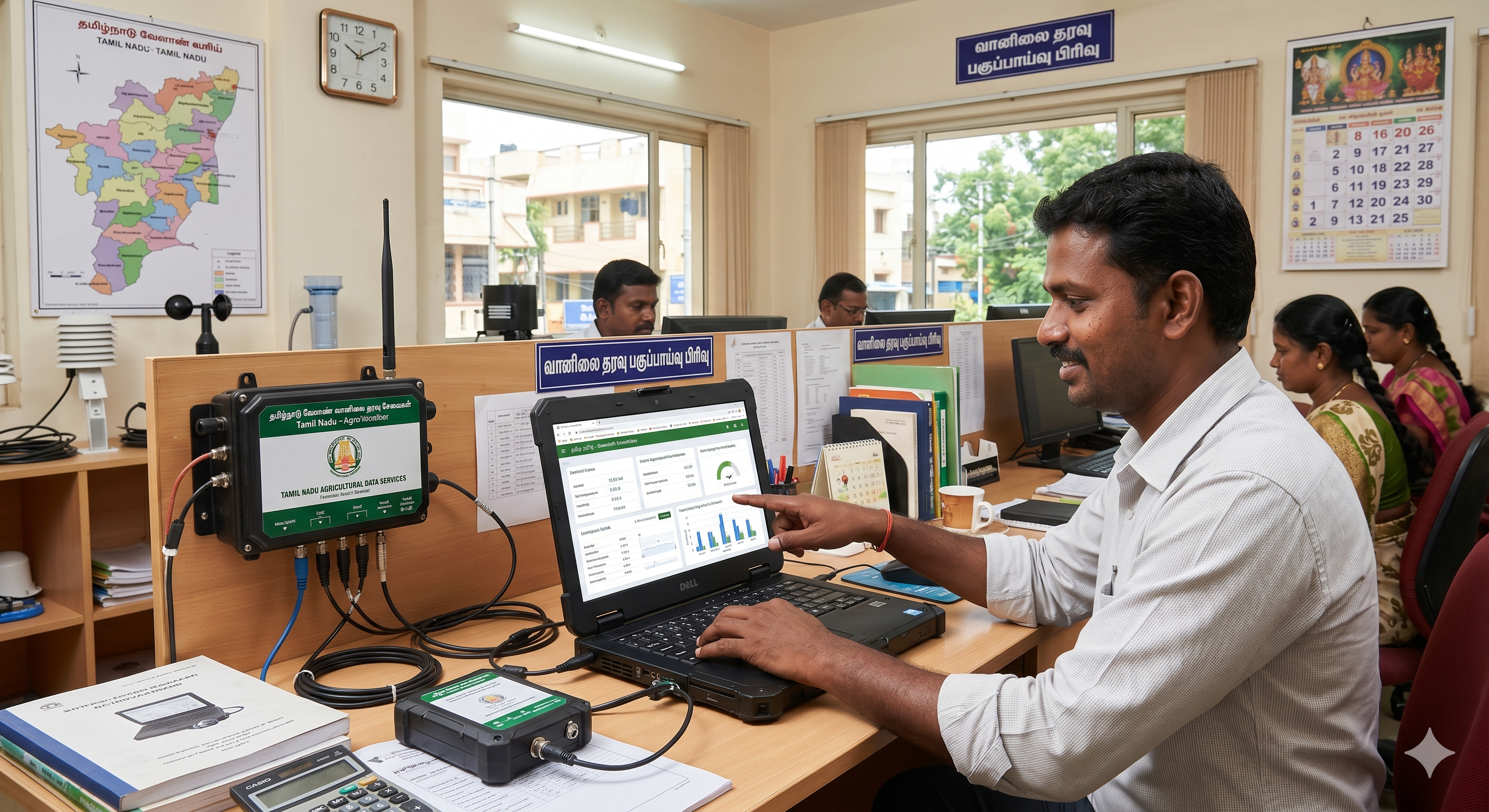
Agro Weather Loggers
- Specialized units targeting soil moisture, evapotranspiration, and leaf wetness.
- Empowers precision agriculture and automated smart-irrigation.
- Assists in predicting and mitigating crop disease outbreaks.
- Maximizes yield efficiency by micro-managing farm microclimates.
Access Catalog
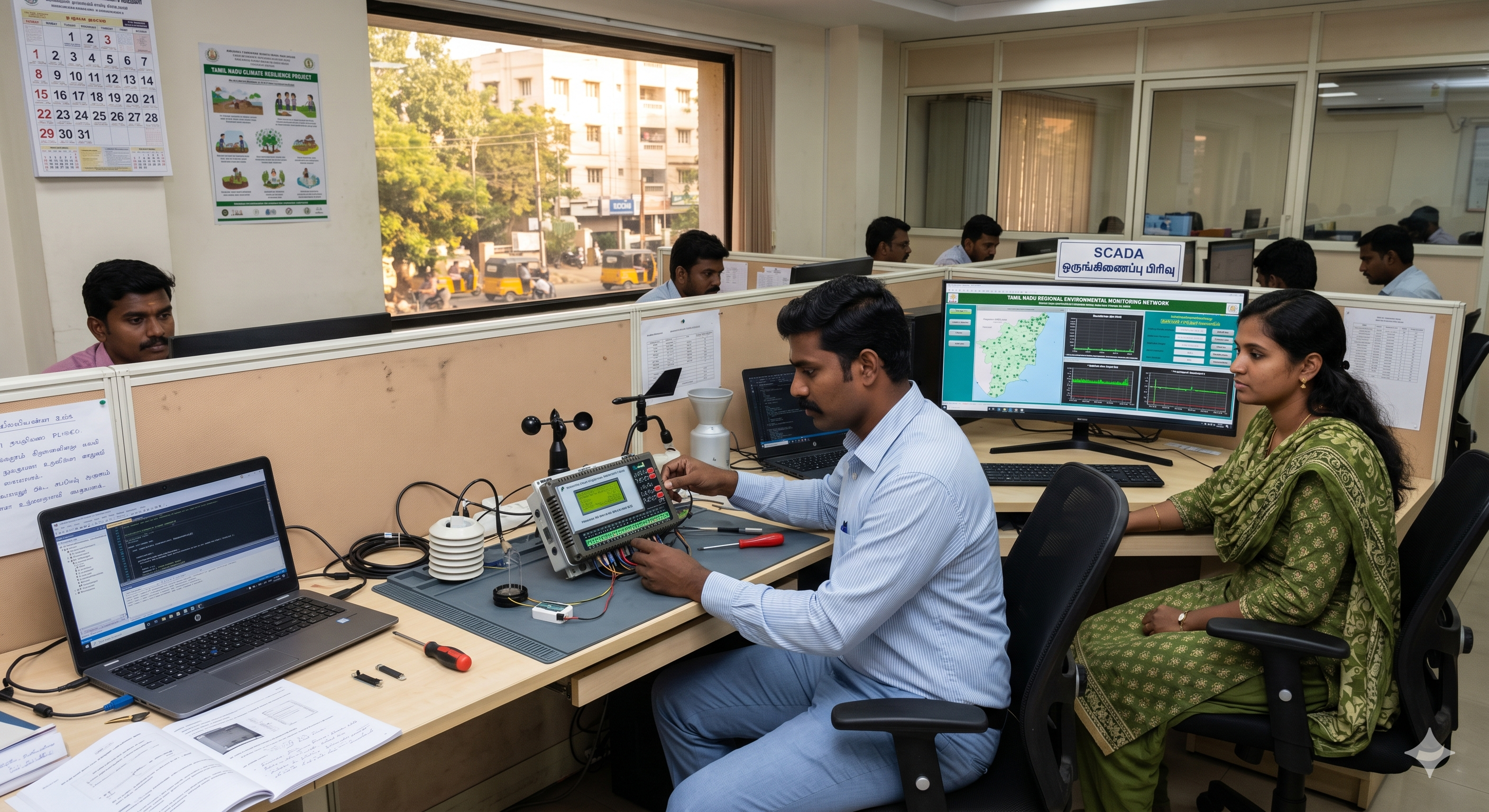
SCADA Integrated Loggers
- Enterprise-grade loggers acting as slaves/masters in SCADA networks.
- Natively supports Modbus RTU, Modbus TCP/IP, and DNP3 protocols.
- Mandatory for utility-scale solar farms and massive wind energy parks.
- Ensures seamless handshake with existing industrial control software.
Access Catalog
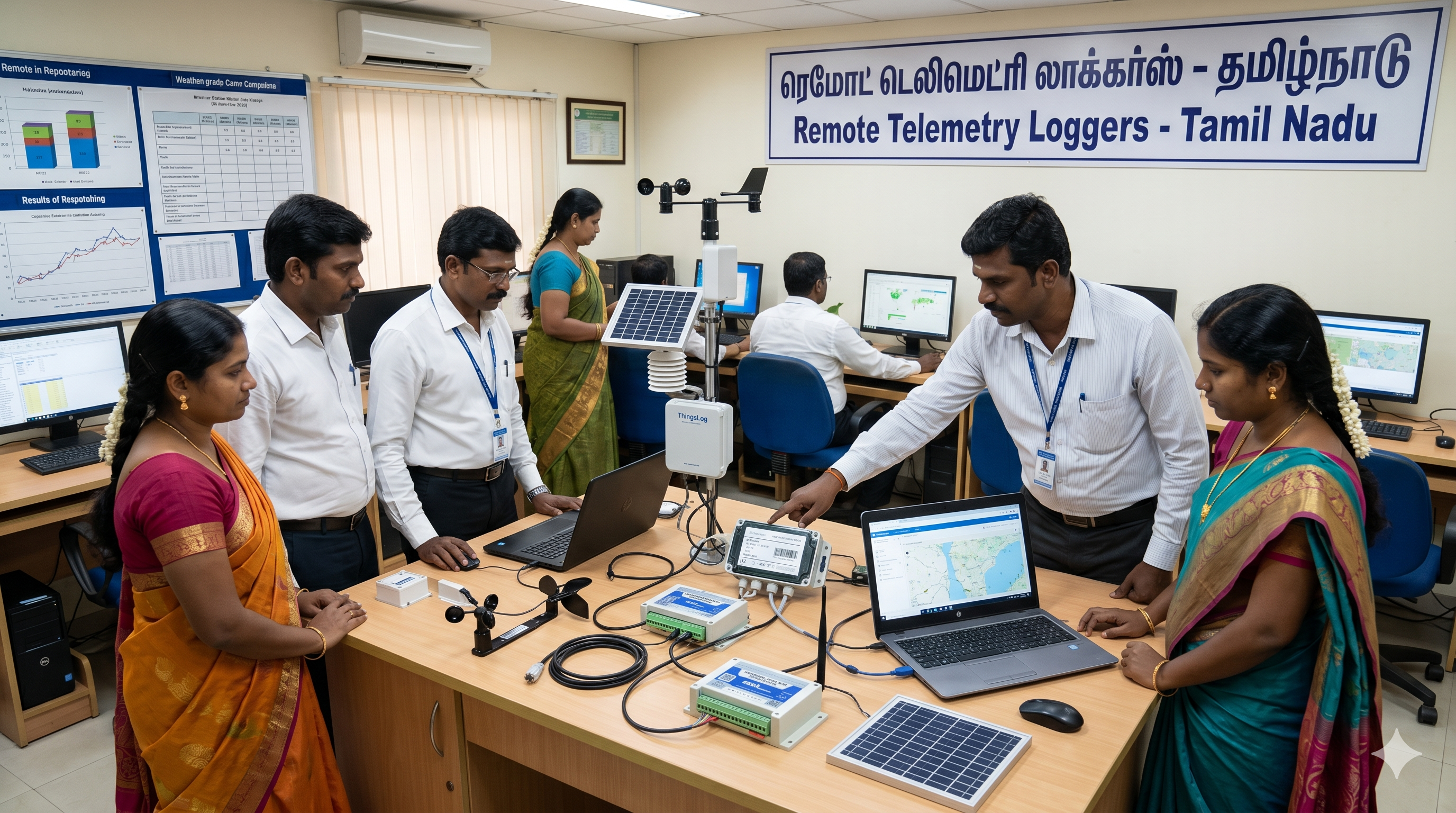
Remote Telemetry Loggers
- Leverages satellite communications (Iridium) for total global coverage.
- Deployed in deep oceans, high altitudes, and the absolute harshest deserts.
- Guarantees transmission where traditional cellular towers do not exist.
- Highly engineered for the lowest possible power consumption.
Access Catalog

Waterproof / Outdoor Loggers
- Hermetically sealed units boasting IP67 or IP68 waterproof ratings.
- Survives torrential monsoons, complete submersion, and salt-fog.
- Protects sensitive internal PCBs from corrosive atmospheric moisture.
- Includes military-grade waterproof cable glands for all sensor inputs.
Access Catalog
No Categories Found
Try adjusting your search terminology.
Enterprise Telemetry Protocol
The data logger is the central nervous system of any meteorological station. Selecting the correct telemetry, storage capability, and protocol architecture ensures zero data loss, guarantees regulatory compliance, and enables real-time decision-making for critical infrastructure.
SCADA & Modbus Integration
Best For: Utility-Scale PowerIndustrial facilities require loggers that speak native machine language. Loggers must translate raw analog sensor data (mV, 4-20mA) into standardized Modbus RTU or TCP/IP registers for central software ingestion.
Applications:
Solar PV farm monitoring, wind turbine control arrays, and municipal power grids.
Cellular (LTE/4G) Telemetry
Best For: Distributed Cloud NetworksEquipped with internal SIM cards, these loggers bypass local IT infrastructure to push encrypted data directly to cloud servers via FTP, MQTT, or proprietary APIs, enabling remote dashboard viewing.
Applications:
National meteorological networks, remote environmental auditing, and smart city infrastructure.
Edge Redundancy (Storage)
Best For: Zero-Loss ComplianceEven the best wireless networks fail. Industrial loggers must feature localized, high-capacity non-volatile memory (SD/MicroSD) that continues to record data during transmission outages, uploading the backlog once reconnected.
Applications:
Aviation weather tracking, EPA regulatory compliance, and legal liability protection.
LoRaWAN / Mesh Networks
Best For: Sprawling Campus AreasLow Power, Wide Area Networking allows hundreds of dispersed, battery-operated loggers to communicate over long distances (up to 15km) to a single central gateway, eliminating massive cabling costs.
Applications:
Precision agriculture, large-scale mining operations, and university campus monitoring.
Telemetry & Interface Matrix
| Communication Type | Primary Protocol / Standard | Effective Range | Key Advantage |
|---|---|---|---|
| Hardwired Serial | RS-485 (Modbus RTU) | Up to 1,200m | Ultra-reliable, industry standard, immune to RF interference. |
| Hardwired Ethernet | TCP/IP (Modbus TCP) | Local LAN / WAN | High-speed data transfer; easily integrates into factory IT. |
| Cellular Telemetry | 4G / LTE / 5G / NBIoT | Global (Cell Tower) | No local infrastructure needed; direct-to-cloud capabilities. |
| Low Power Wireless | LoRaWAN / Zigbee | 1km to 15km | Extremely low battery draw; excellent for sprawling wireless arrays. |
| Satellite Telemetry | Iridium Network | 100% Global | Functions in oceans and deserts where no other network exists. |
| Local Backup | SD Card / USB-C | Physical Access | Guarantees data integrity during catastrophic network failures. |
Mission-Critical Selection Criteria
When specifying a data logger for a meteorological or industrial application, evaluate the following vital parameters to guarantee system reliability and data fidelity.
1. Channel I/O Flexibility
Ensure the logger can accommodate the physical outputs of your specific sensors. Does it support pulse inputs for rain gauges, differential voltage for pyranometers, and SDI-12 for smart sensors simultaneously?
2. Power Budgeting
Calculate the total current draw of all active sensors. If deploying off-grid, the logger must possess sophisticated sleep-state power management and properly size its associated solar panel and battery reserves.
3. Environmental Sealing
Electronics hate moisture and heat. Ensure the logger's enclosure meets NEMA 4X or IP66/IP67 standards, utilizing marine-grade cable glands to prevent water ingress from compromising the PCB.