Tension Meters
Engineered for the precise measurement and continuous monitoring of running line tension in wires, cables, yarns, and web materials, ensuring structural integrity and preventing manufacturing defects.
Wire & Cable Extruders Textile Manufacturers Paper & Film Converters Elevator Technicians Fiber Optic Installers
Preventing Line Breakage Maintaining Coil Quality Belt Deflection Analysis Web Guiding Control QA / ISO Compliance
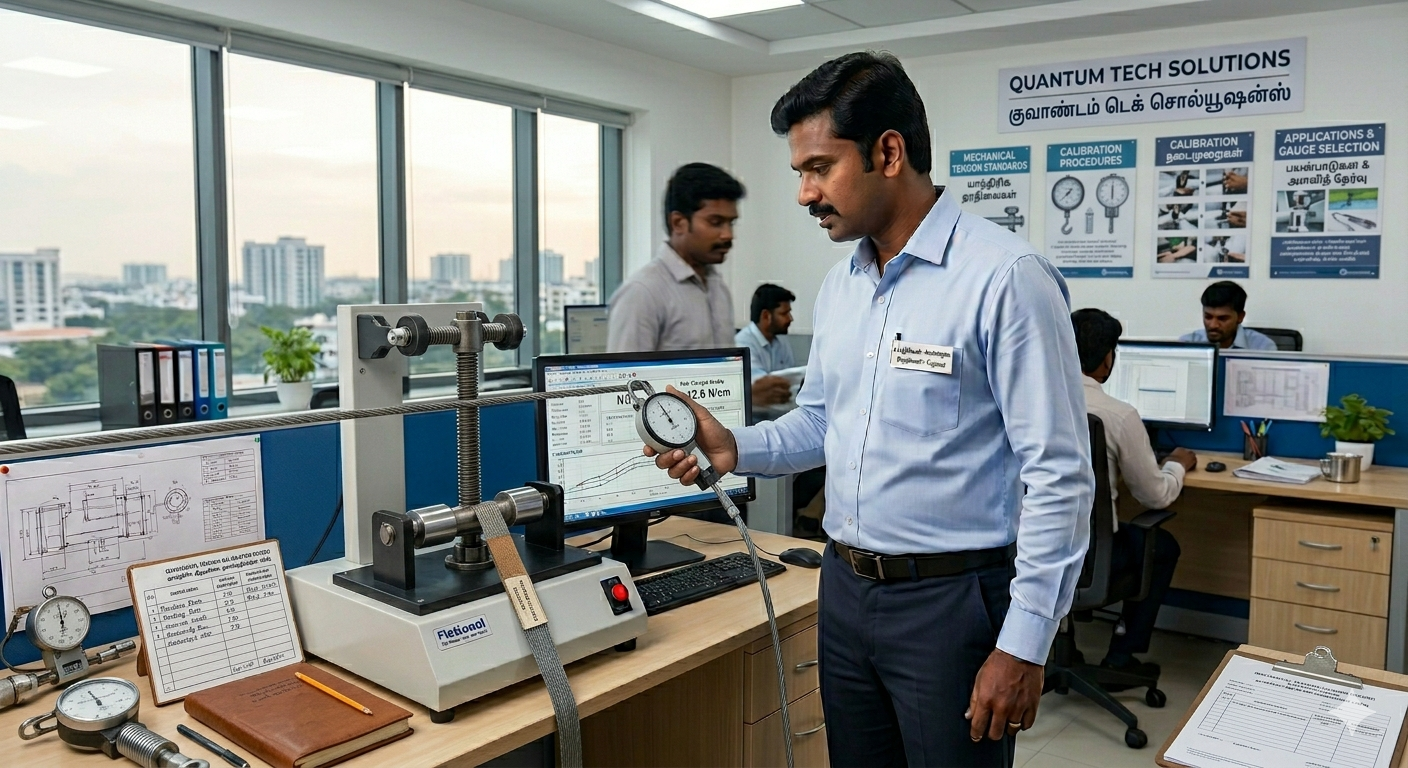
- Classic, ultra-reliable 3-roller design utilizing an analog dial.
- Requires zero batteries, making it perfect for hazardous or remote field work.
- Ideal for quick spot-checks on static or slow-moving lines.
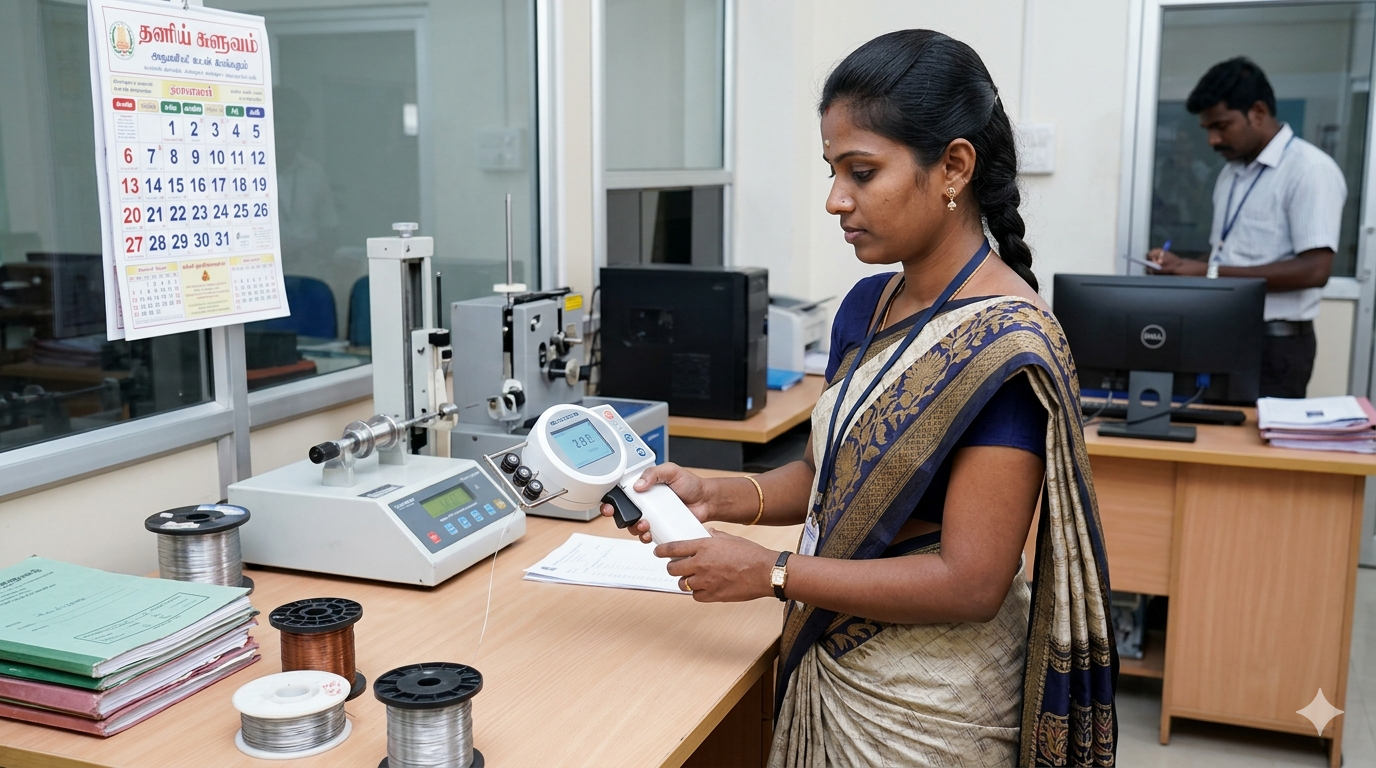
- High-visibility LCD/OLED screens eliminate analog reading parallax errors.
- Calculates statistical data on-the-fly (Min, Max, Peak, Average).
- Stores specific material profiles to automatically compensate for material thickness.
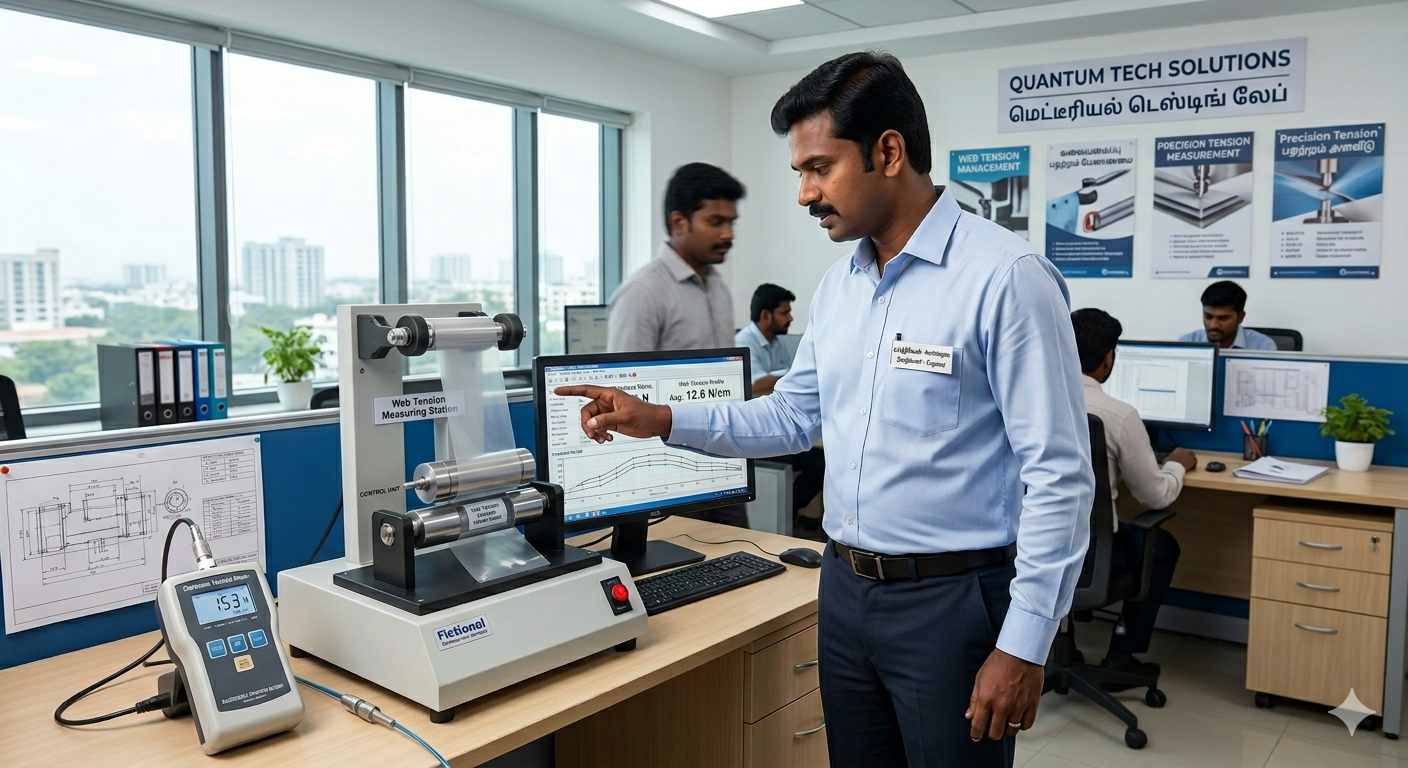
- Utilizes highly sensitive strain-gauge load cells for supreme accuracy.
- Capable of measuring extremely delicate materials (like fine copper wire) without deformation.
- Often includes USB output for direct PC data logging.
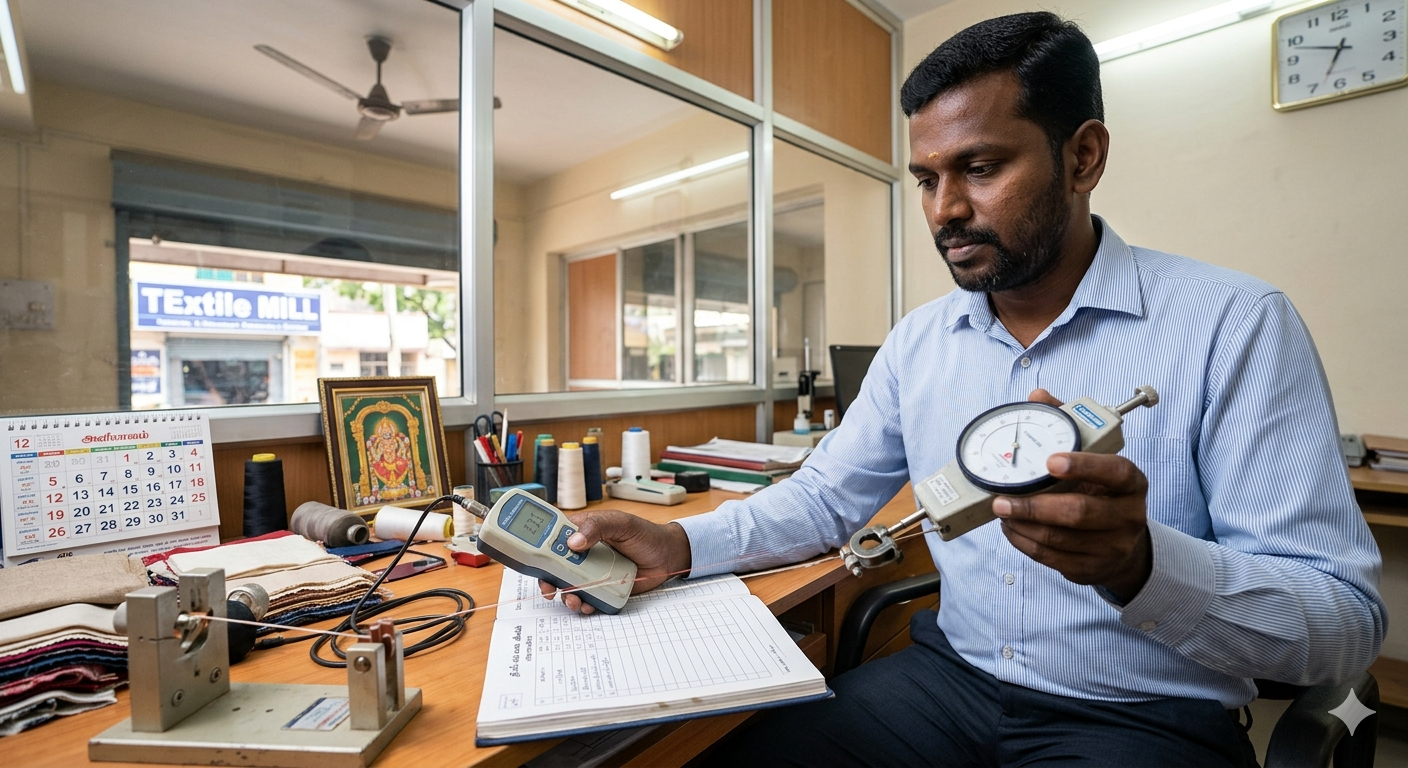
- Ergonomic, single-hand operation designed for factory floor mobility.
- Quick-engagement trigger mechanisms to easily snap onto running lines.
- Ruggedized aluminum housings protect internal sensors from accidental drops.
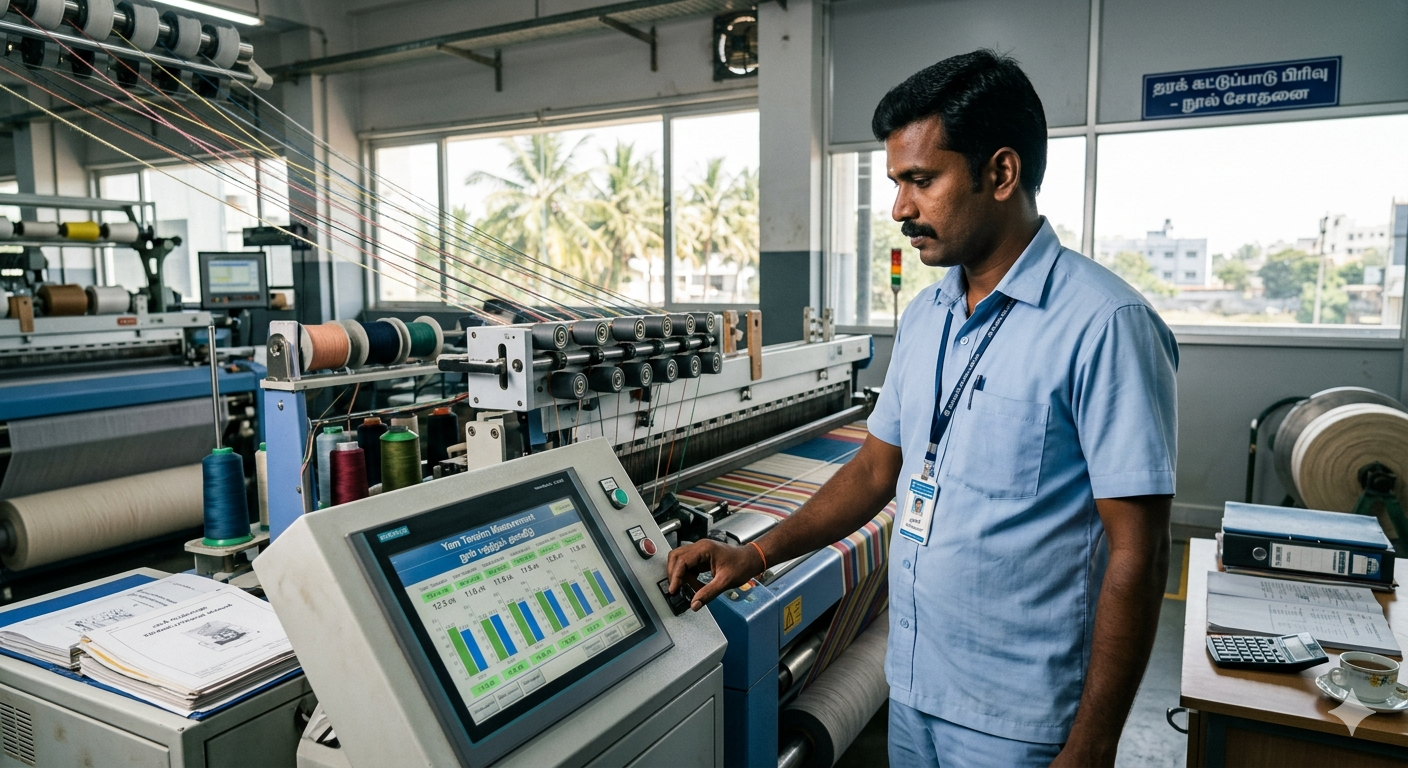
- Permanently mounted sensors integrated directly into the manufacturing machine.
- Provides continuous, 24/7 feedback to closed-loop motor controllers.
- Essential for preventing catastrophic web breaks on high-speed lines.
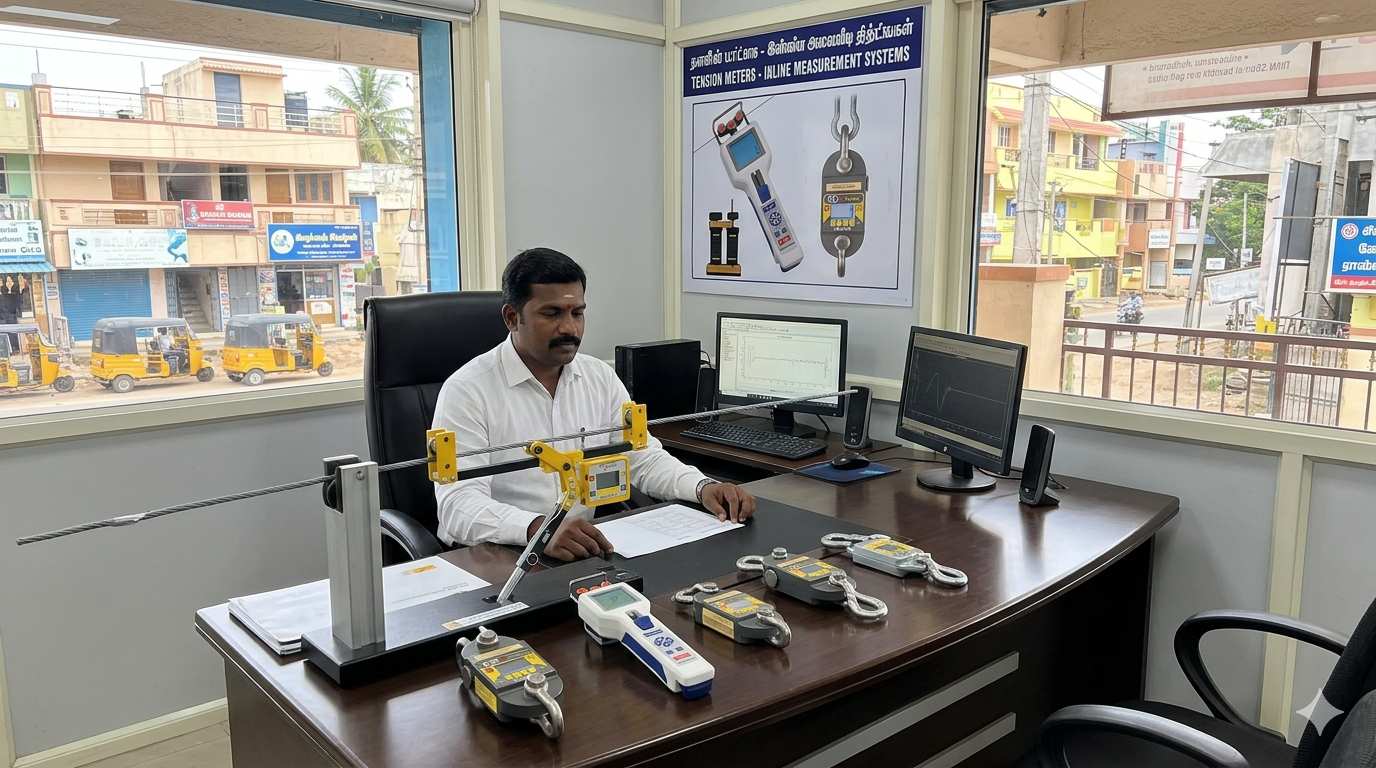
- Equipped with hardened steel or ceramic rollers to resist severe abrasion.
- Designed to handle high tension capacities (up to 500+ daN).
- Crucial for monitoring extrusion lines, stranding, and elevator rope equalization.

- Features extremely low friction, V-grooved bearing rollers to protect delicate fibers.
- Highly sensitive, measuring tension in minute centi-Newtons (cN) or grams.
- Prevents yarn breakage, snagging, and uneven fabric weaving on high-speed looms.
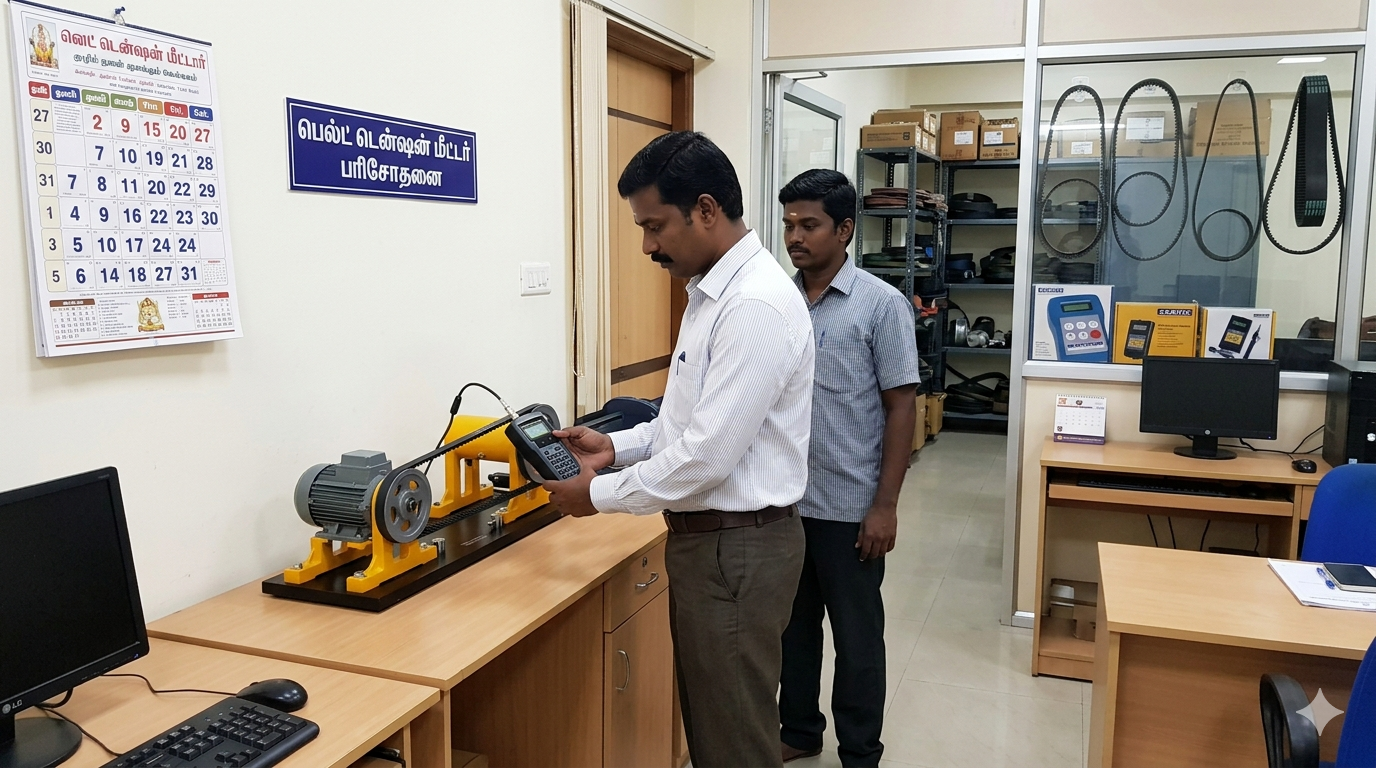
- Utilizes sonic/acoustic or mechanical deflection methods.
- Measures the static tension of V-belts, synchronous belts, and timing belts.
- Prevents premature bearing failure from over-tensioning or slippage from under-tensioning.
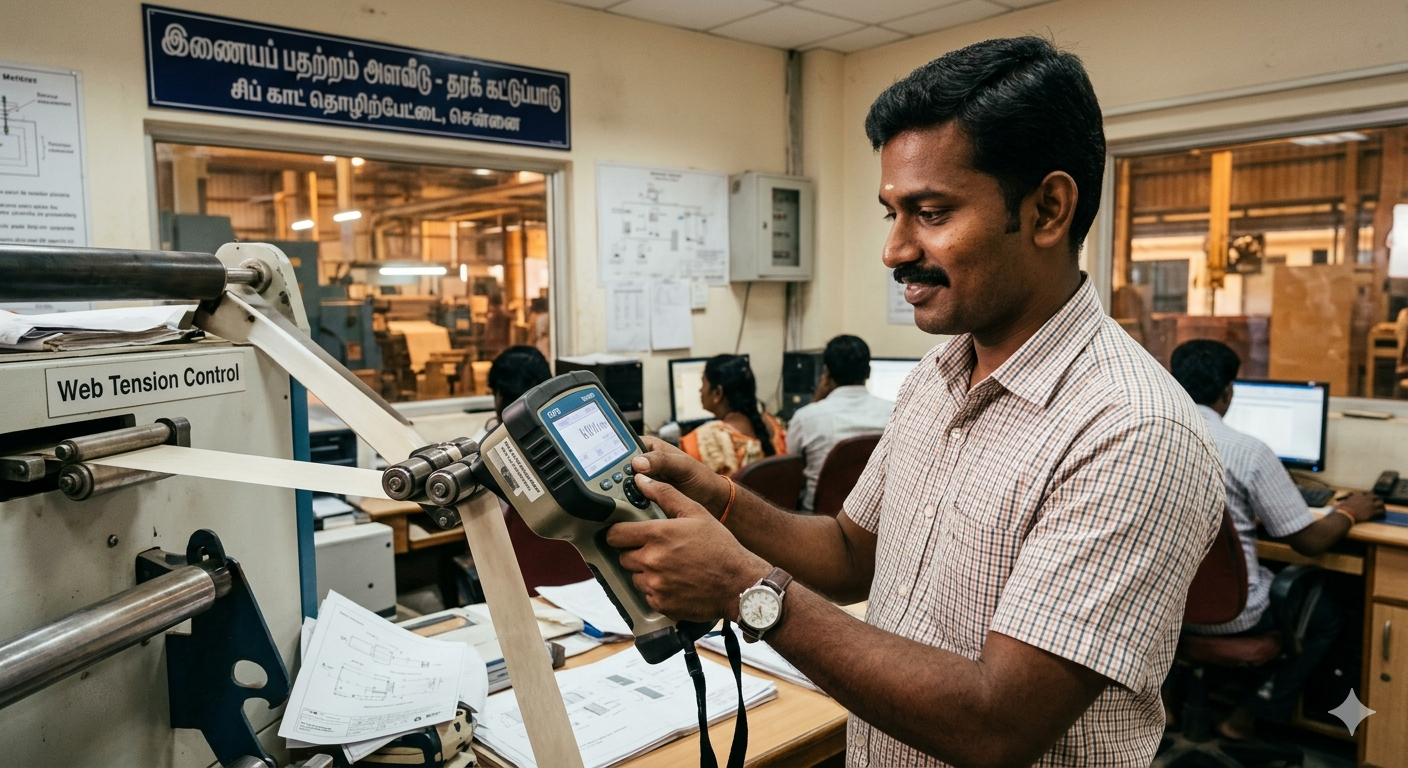
- Measures wide, flat substrates like paper, plastic film, and metallic foils.
- Utilizes long, cylindrical rollers instead of narrow V-grooves to prevent creasing.
- Ensures even coating applications and precise color registration in printing presses.
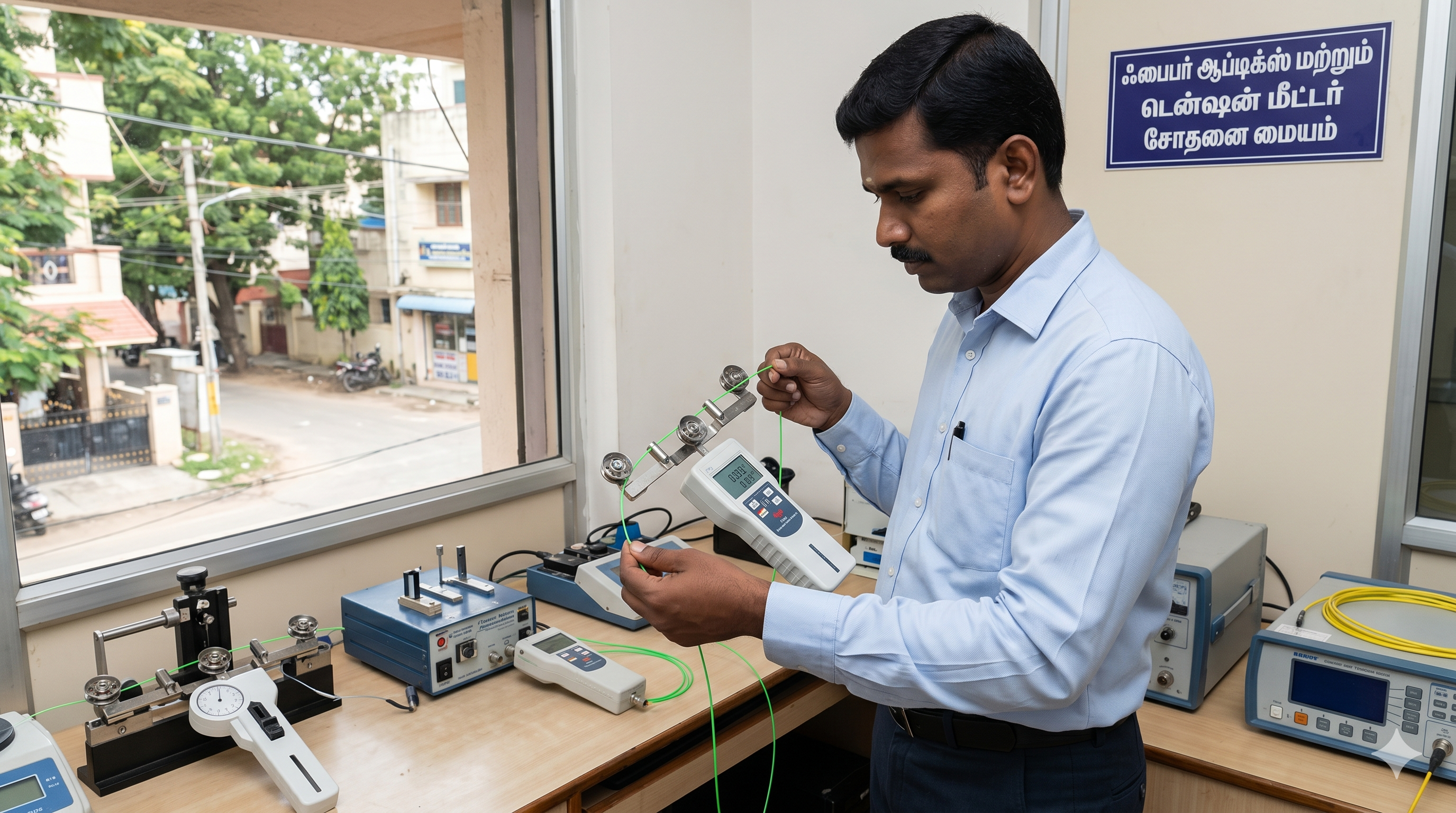
- Specifically engineered to prevent micro-bending and glass core fracturing.
- Features large-diameter rollers to maintain the strict minimum bend radius of fiber optics.
- Mandatory for safe fiber drawing, jacketing, and underground installation pulling.
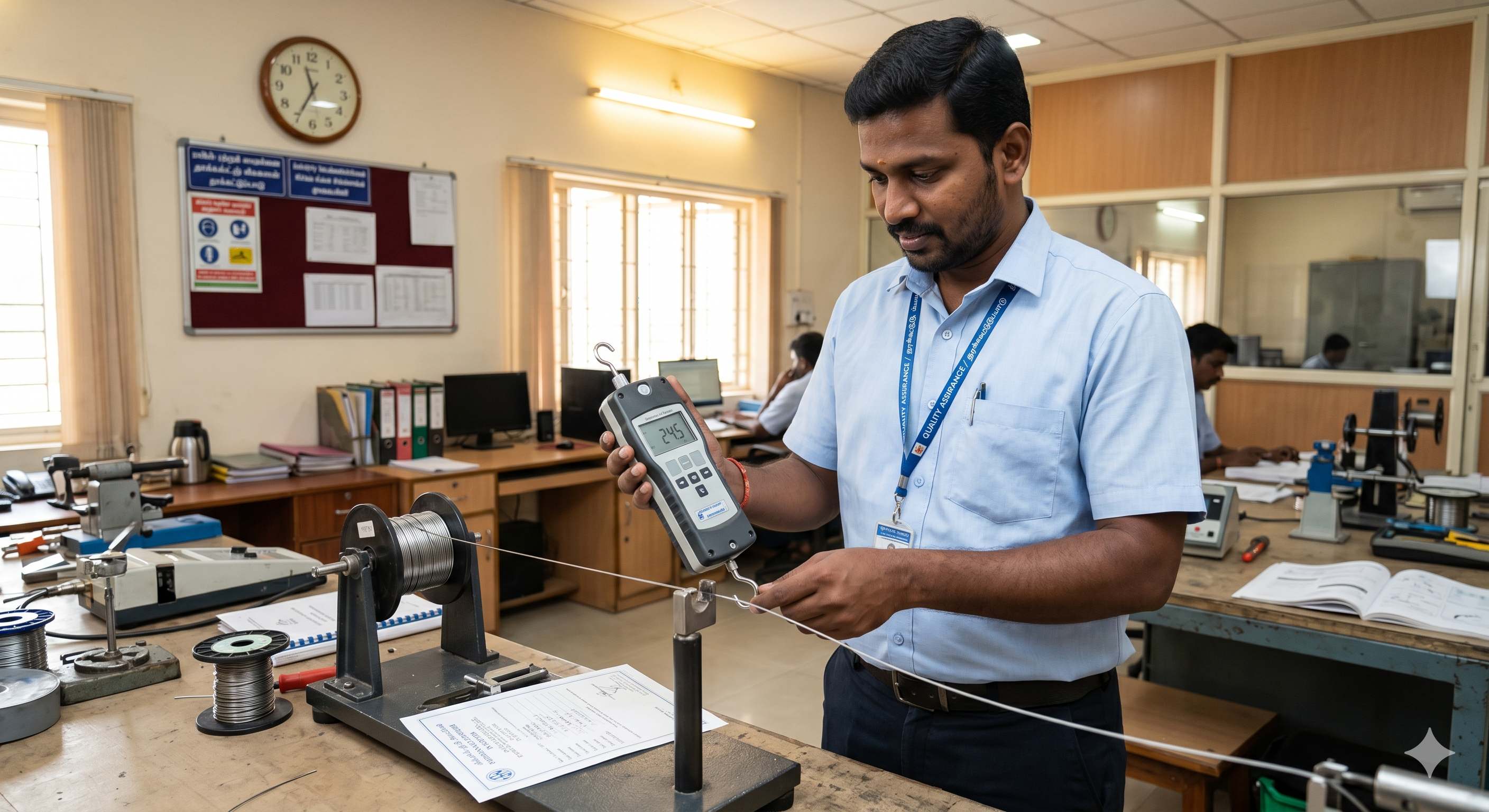
- Delivers metrology-grade accuracy, often within ±0.5% of full scale.
- Used as master reference devices to calibrate other factory-floor meters.
- Features advanced multi-point factory calibration and temperature compensation.
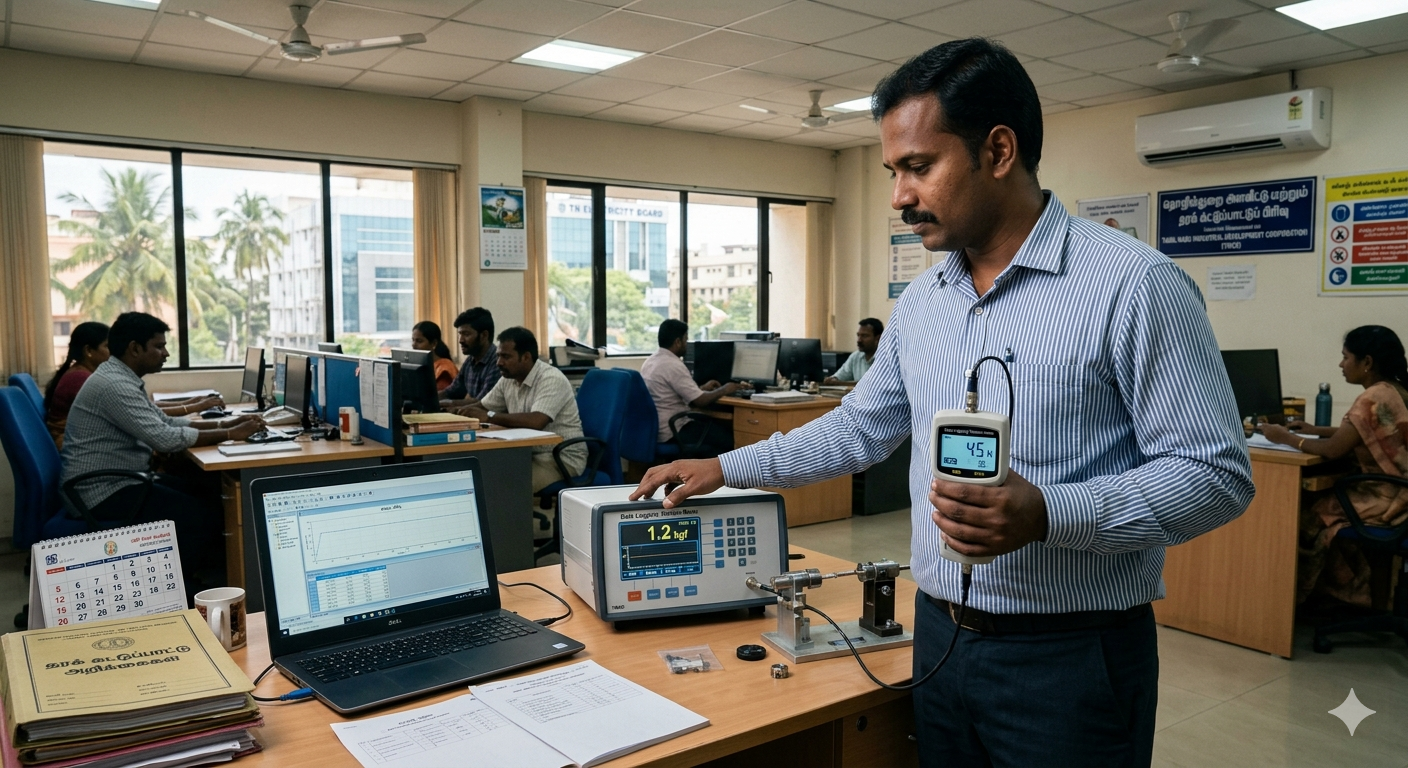
- Internal memory stores thousands of continuous tension readings at high frequencies (up to 1000Hz).
- Captures invisible, split-second tension spikes that cause intermittent breakage.
- Exports data via USB or Bluetooth for advanced PC charting and ISO reporting.
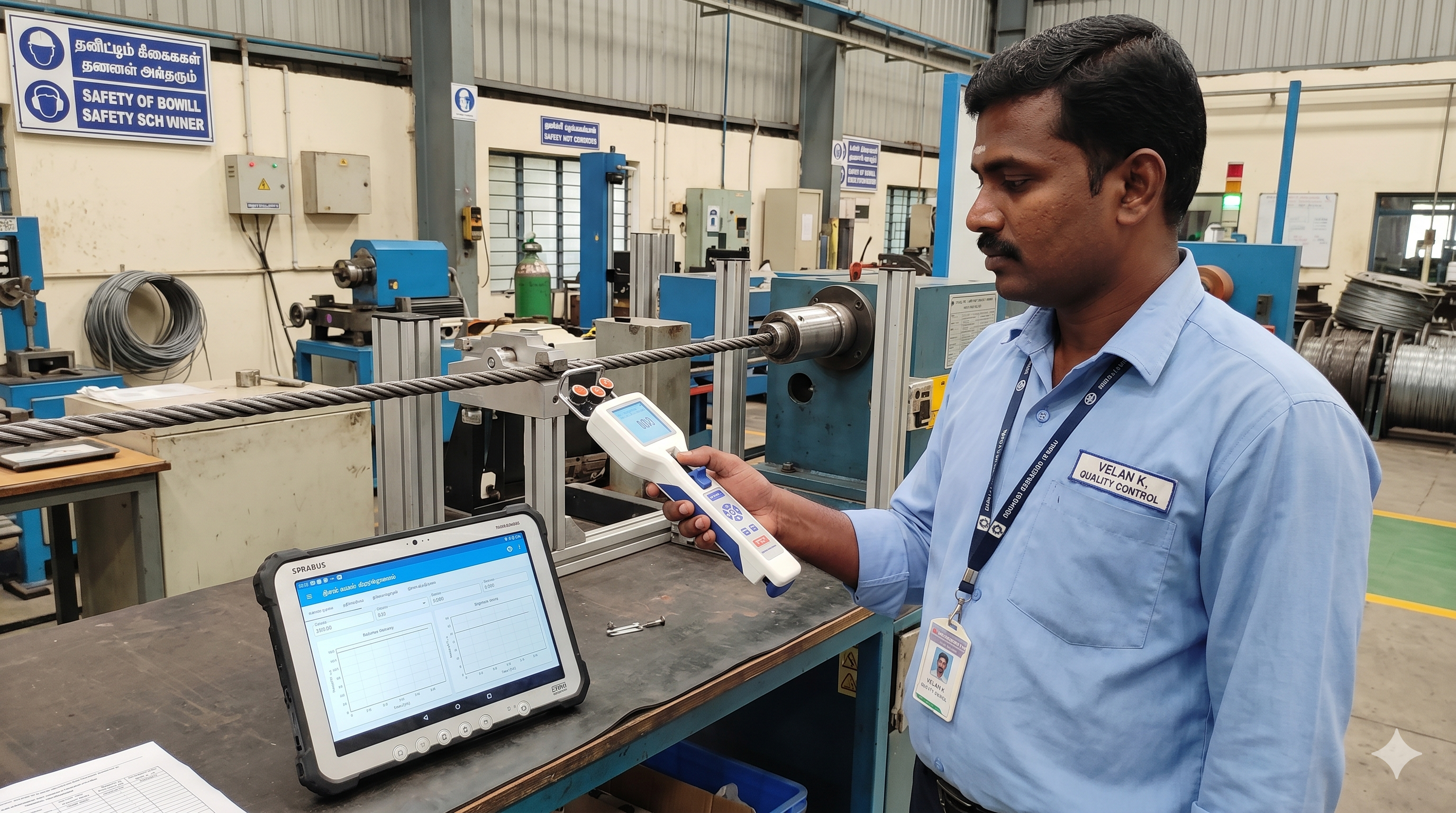
- Streams live tension data directly to smartphone apps or factory SCADA systems.
- Allows operators to safely monitor extremely dangerous, high-speed zones from a distance.
- Eliminates hazardous cables dragging across active manufacturing floors.
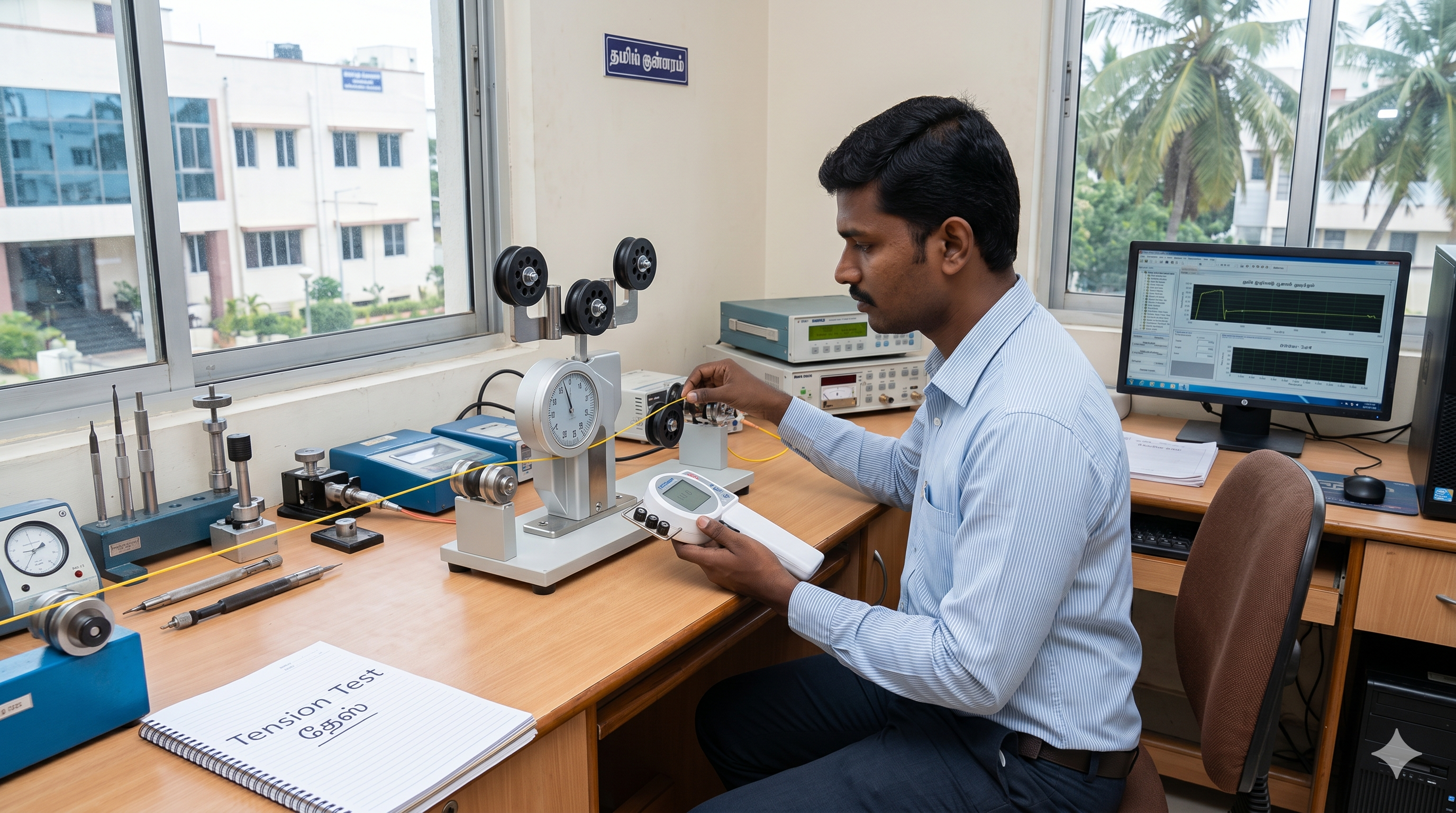
- Fixed benchtop units designed for extreme R&D precision rather than mobility.
- Used to determine the ultimate tensile strength (yield point) of novel materials.
- Features motorized drawing mechanisms to ensure perfectly consistent strain rates.
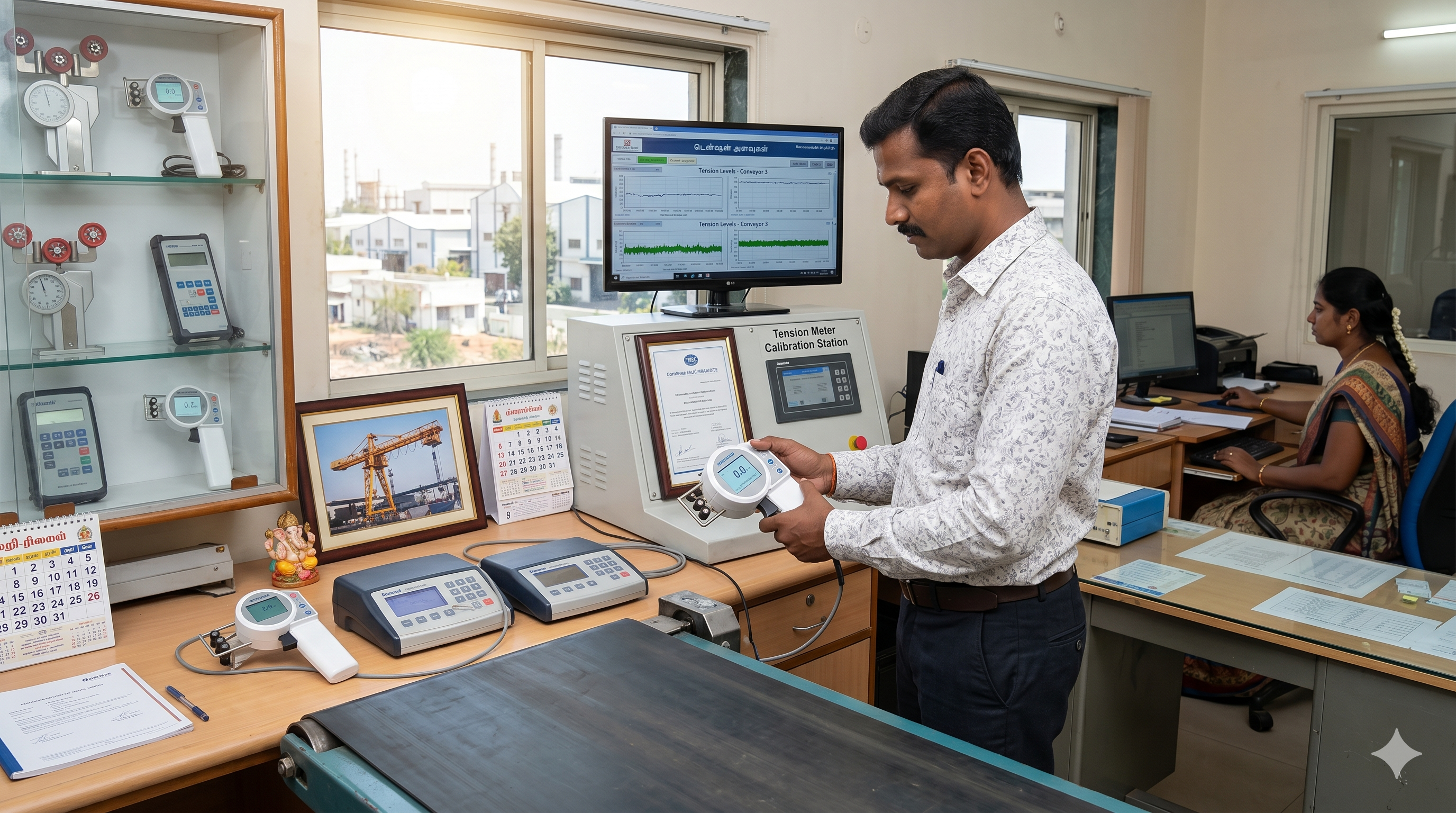
- Complete closed-loop ecosystems comprising inline load cells, amplifiers, and PLC controllers.
- Automatically adjusts magnetic particle brakes or variable frequency drives (VFDs) in real-time.
- Guarantees perfect, uniform tension from the unwind roll to the final rewind core.
Enterprise Tension Metrology Protocol
Understanding the physics of continuous line tension is critical for preventing material deformation, breakage, and equipment failure. Selecting the incorrect measurement methodology—such as using sharp V-groove rollers on delicate fiber optics—will physically destroy the product being measured.
The 3-Roller Principle
The Standard Measurement MethodMost tension meters utilize a three-roller system. The material runs over two outer guide rollers and under a central sensor roller. The tension of the line creates a radial force against the central roller, displacing it slightly. This mechanical displacement is measured by a load cell (digital) or a calibrated spring (analog) to calculate exact tension.
Sonic / Acoustic Tension
Best For: Static Drive BeltsUsed primarily for timing and V-belts. The belt is struck to induce a vibration. A microphone captures the sound wave, and internal software calculates the tension based on the belt's mass, span length, and vibrating frequency. This eliminates the physical inaccuracies of mechanical deflection tests.
Closed-Loop Web Control
Best For: Continuous ManufacturingIn paper and film conversion, tension cannot fluctuate. Inline load cells (mounted to idle rollers) constantly feed tension data to a PID controller. The controller instantly adjusts the torque on unwind brakes or rewind motors to maintain a perfectly flat tension profile, preventing telescoping rolls or web breaks.
High-Frequency Polling
Detecting Transient SpikesA meter updating at 2Hz (twice a second) will miss a high-speed snag that lasts 50 milliseconds. Advanced digital meters poll at up to 1000Hz, capturing transient, split-second tension spikes that cause inexplicable line breakages, saving hours of diagnostic downtime.
Application & Roller Geometry Matrix
| Material Type | Required Roller Geometry | Critical Measurement Challenge |
|---|---|---|
| Steel Wire / Copper Cable | Hardened Steel (V-Groove) | Requires extreme abrasion resistance; must not bend stiff wire past yield point. |
| Textile Yarns / Spandex | Polished Ceramic / Aluminum | Requires ultra-low friction bearings to prevent snagging or stretching delicate fibers. |
| Paper / Plastic Film (Web) | Wide Cylindrical Rollers | Must distribute force across the width to prevent creasing or tearing the substrate. |
| Fiber Optic Cable | Large Diameter Rollers | Must not exceed the minimum bend radius, otherwise the glass core will shatter. |
| Elevator / Hoist Ropes | Heavy-Duty Clamping Jaws | Requires simultaneous measurement of multiple thick ropes to ensure equal load distribution. |
Advanced Calibration & Variables
To maintain enterprise-grade accuracy, operators must understand the physical variables that can artificially skew tension readings and invalidate quality control data.
Material Thickness Compensation
- The Caliper Error: If a meter is calibrated for a 0.5mm wire, testing a 2.0mm wire will yield falsely high readings because the thicker material inherently bends less, pushing harder against the sensor roller.
- Material Profiling: Advanced digital meters allow users to program specific "material profiles," automatically compensating the internal algorithm based on the material's diameter and rigidity.
Line Speed & Friction
- The Friction Variable: As line speed increases, the bearing friction in the meter's rollers also increases, which can slightly elevate the perceived tension.
- Ball Bearing Quality: High-speed applications (like yarn spinning) require ultra-precision ABEC-rated bearings to ensure the meter's mechanical drag does not influence the delicate reading.
Gravity & Orientation
- Sensor Weight Offset: If an electronic meter is zeroed while held horizontally, but the measurement is taken vertically, the weight of the sensor mechanism itself will alter the reading.
- Auto-Zeroing: Operators must physically hold the meter in the exact orientation of the measurement and press "Zero" before engaging the running line.