Precision Rotameters & Flow Meters
Engineered to measure the volumetric flow rate of liquids and gases using the variable area principle, delivering highly accurate, repeatable readings across a multitude of industrial processes.
Widely Used By
Water Treatment Plants Chemical Processing Pharmaceutical Labs Petrochemical Refineries HVAC Engineers
Key Purposes
Flow Rate Verification Process Control Gas Blending Pump Monitoring Dosing Operations
Single Tap to Scroll • Double Tap to Open Catalog

Acrylic Body Rotameters
- Machined from solid, clear acrylic blocks for high visibility.
- Highly cost-effective solution for non-corrosive liquids and gases.
- Features direct-reading scales on the transparent body.
- Ideal for water treatment systems and air purge applications.
Access Catalog
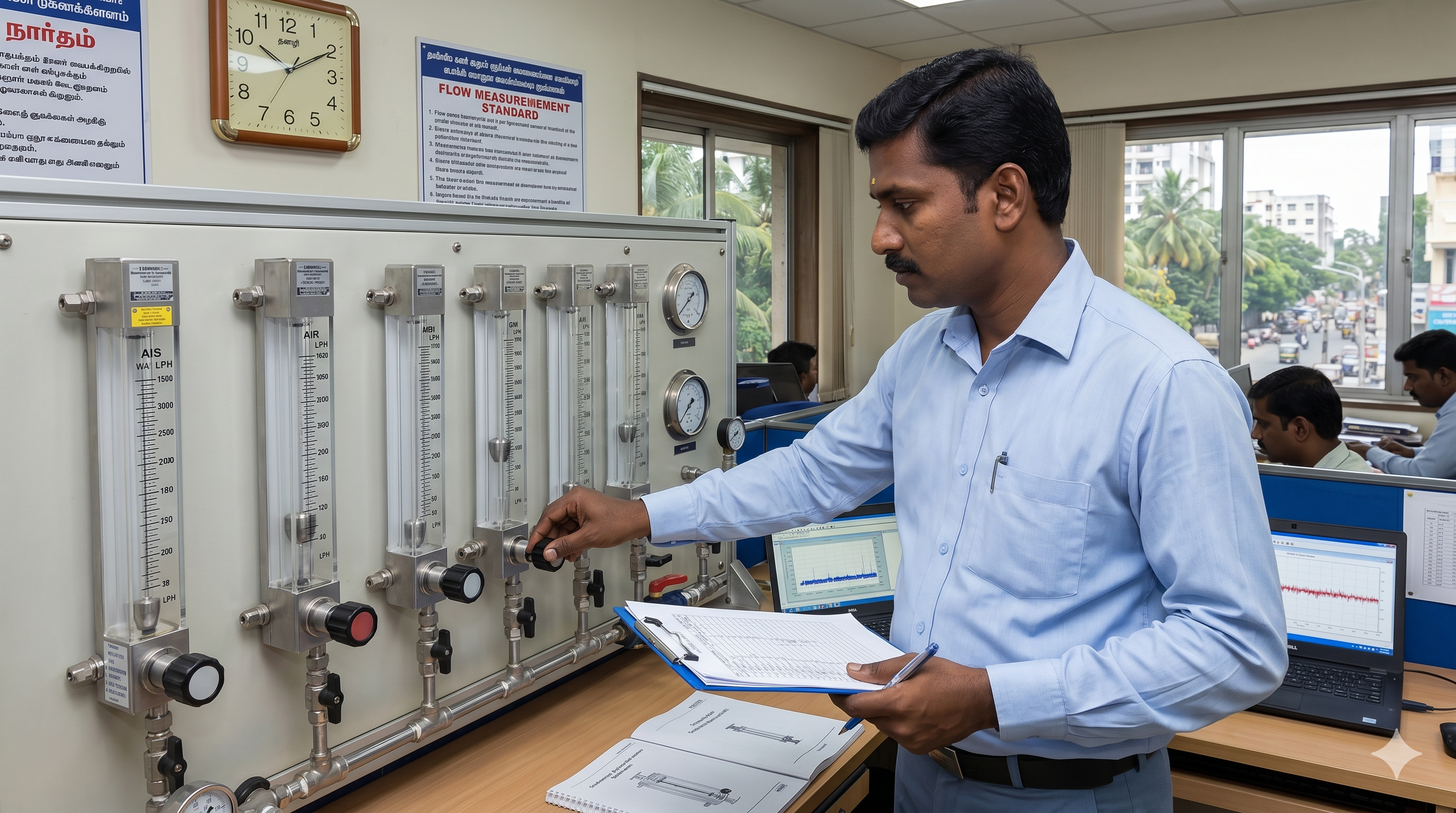
Glass Tube Rotameters
- Constructed with heavy-walled borosilicate glass tubes.
- Excellent chemical compatibility and high temperature tolerance.
- Allows for clear observation of fluid color and condition.
- Available with protective metal shields for industrial safety.
Access Catalog
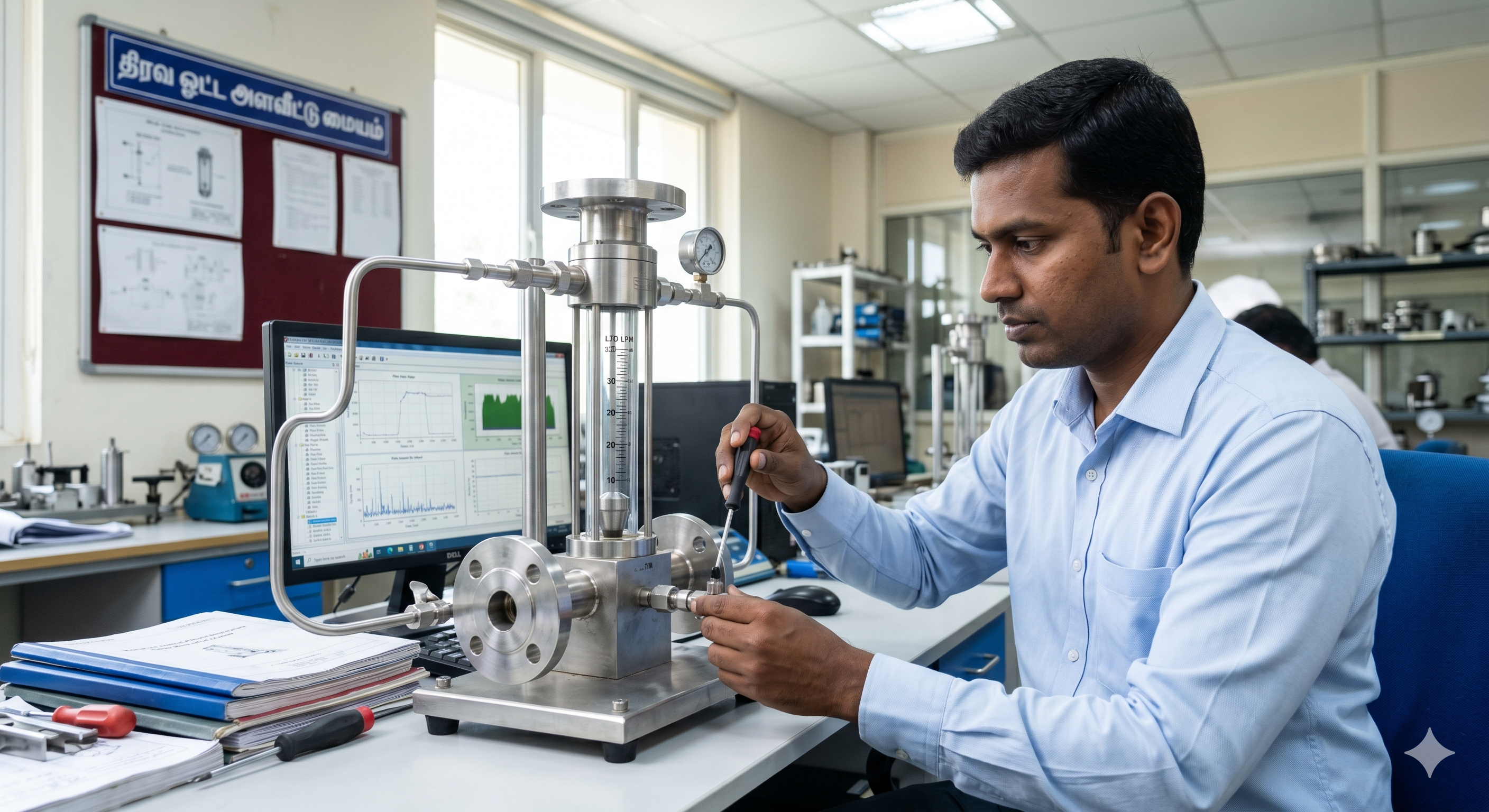
Metal Tube Rotameters
- Designed for extreme high-pressure and high-temperature environments.
- Perfect for measuring opaque, dark, or hazardous fluids.
- Utilizes magnetic coupling to transfer float position to the dial.
- Heavy-duty construction for petrochemical and boiler applications.
Access Catalog
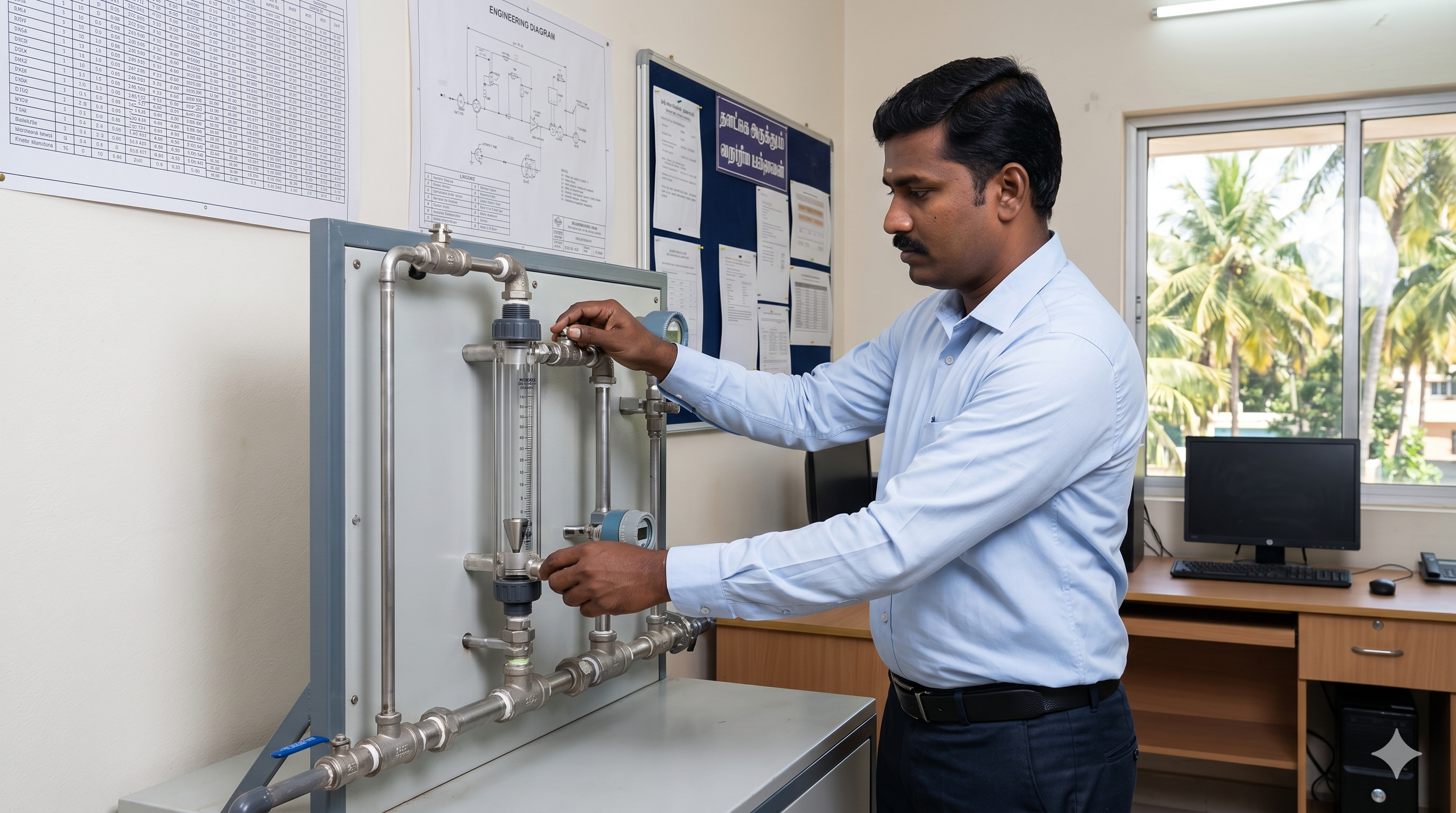
Variable Area Flow Meters
- The core technological class of all rotameter devices.
- Operates via a float rising inside a tapered tube proportional to flow.
- Requires no external power for local, visual measurement.
- Highly reliable, low-pressure-drop metering solution.
Access Catalog
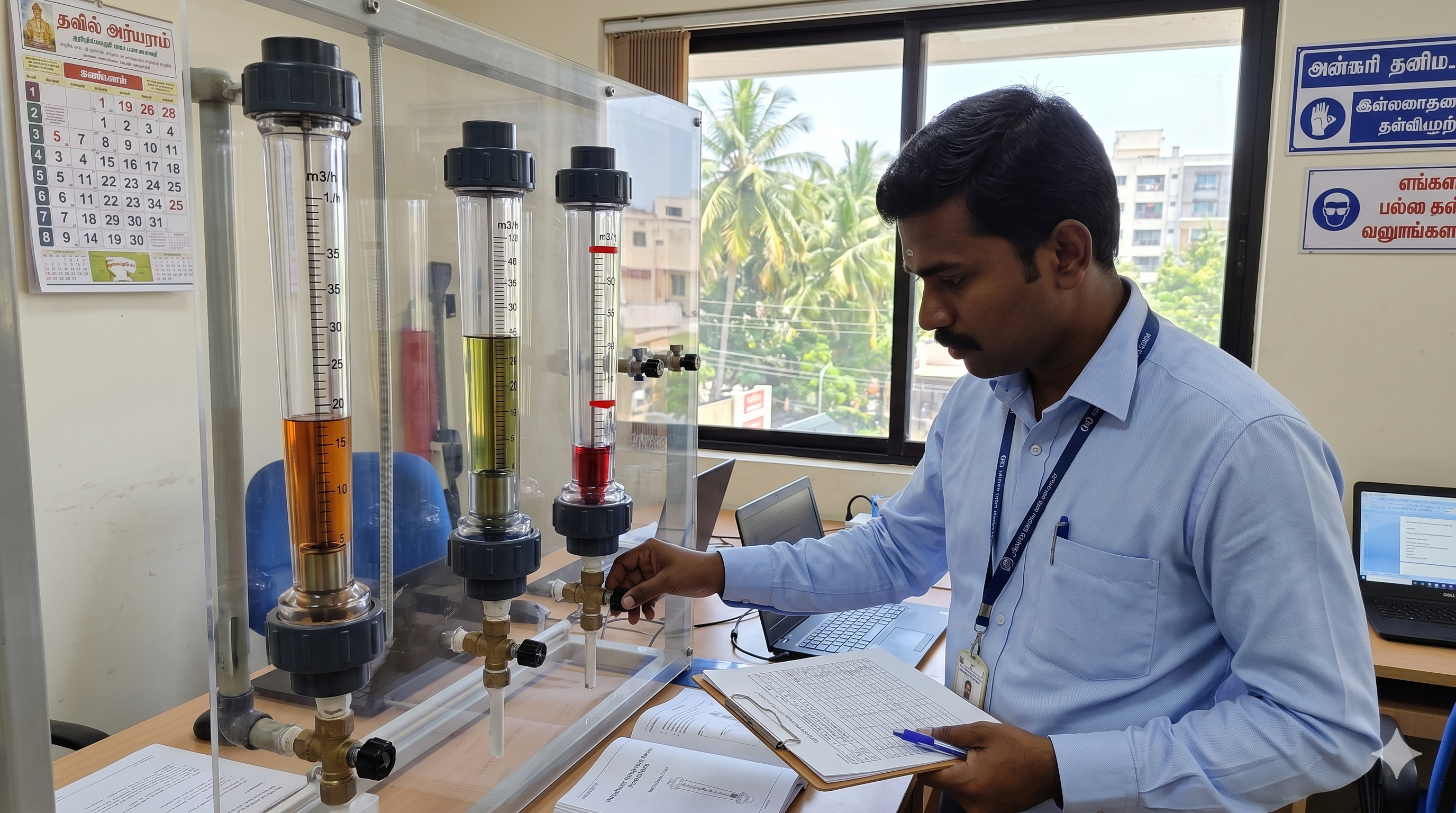
Inline Rotameters
- Designed for direct, straight-through installation into existing pipework.
- Simplifies plumbing configurations with bottom-to-top flow paths.
- Available in threaded or flanged connections for varied pipe sizes.
- Provides instant visual confirmation of fluid movement.
Access Catalog
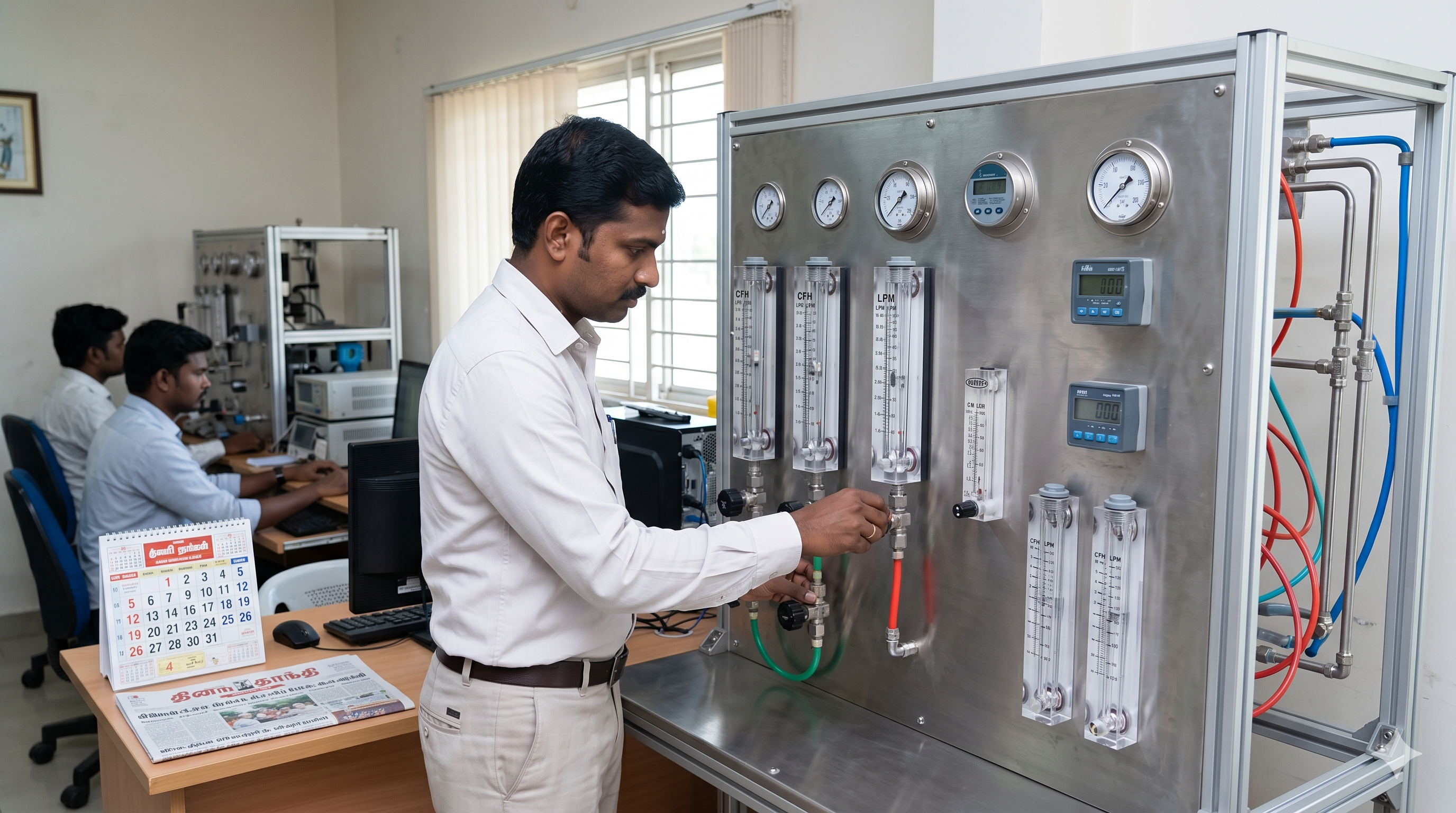
Panel Mount Rotameters
- Engineered for flush-mounting directly into control panels and consoles.
- Includes built-in precision needle valves for fine flow adjustment.
- Rear-facing connections keep tubing hidden behind the panel.
- Ideal for gas blending consoles and analytical instrumentation.
Access Catalog
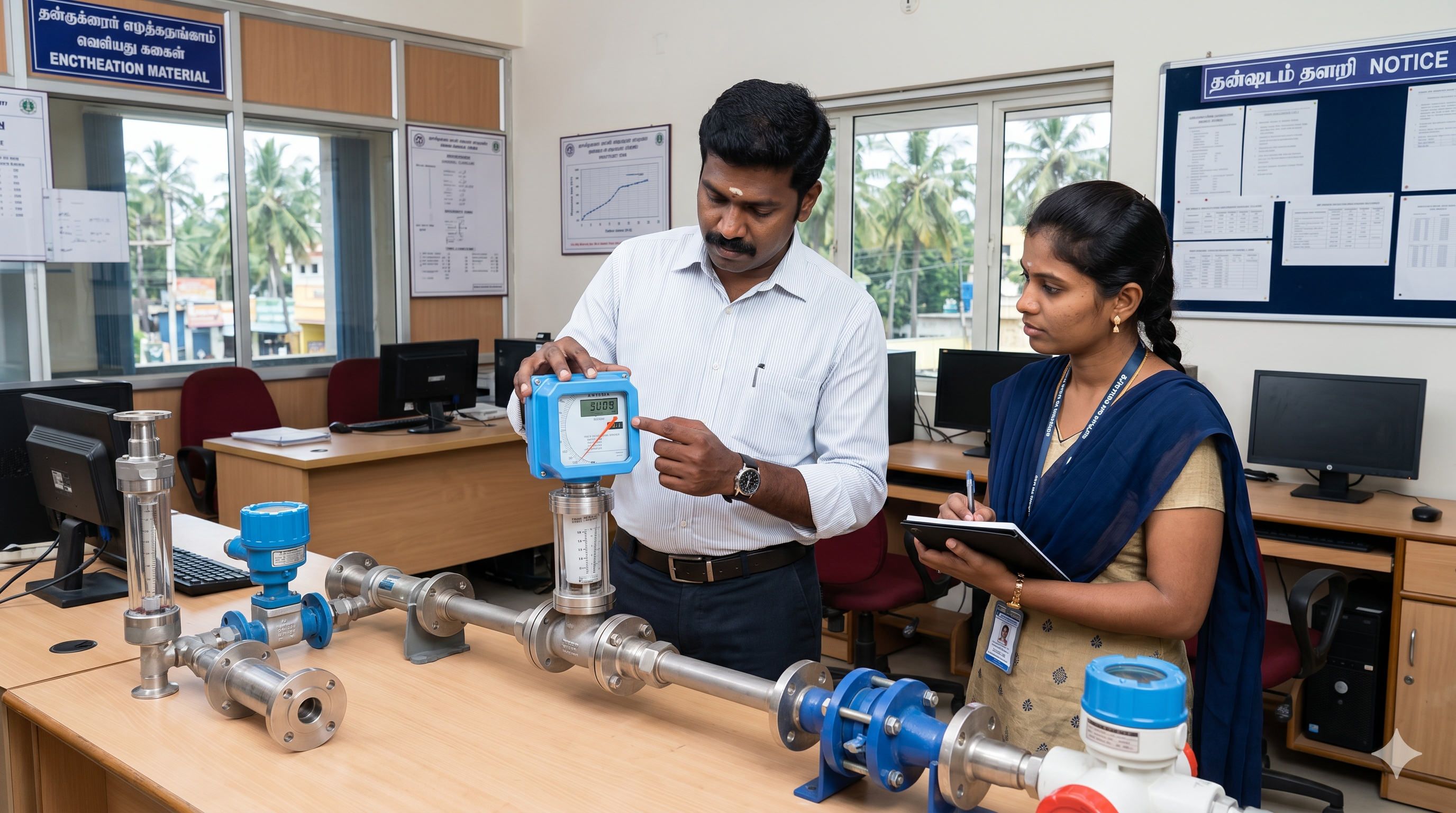
Digital Rotameters
- Features electronic displays for precise, digitized flow readouts.
- Outputs standard 4-20mA signals for SCADA and PLC integration.
- Includes programmable high/low flow limit alarm triggers.
- Combines traditional variable area mechanics with modern telemetry.
Access Catalog
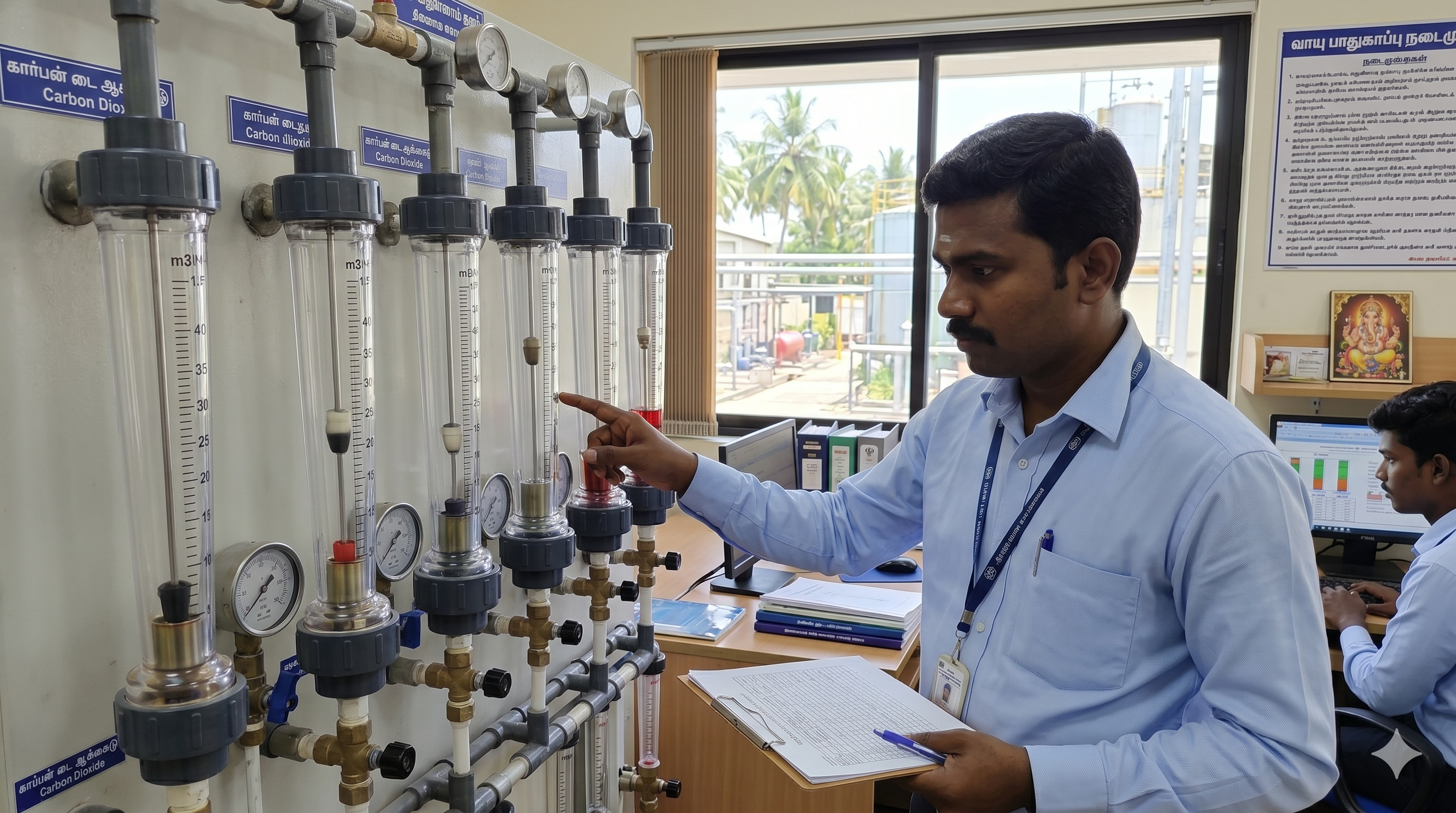
Analog Rotameters
- Purely mechanical operation requiring absolute zero electrical power.
- Intrinsically safe for explosive and highly volatile ATEX environments.
- Reads flow directly via float position against a printed scale.
- The ultimate fail-safe backup for critical process monitoring.
Access Catalog
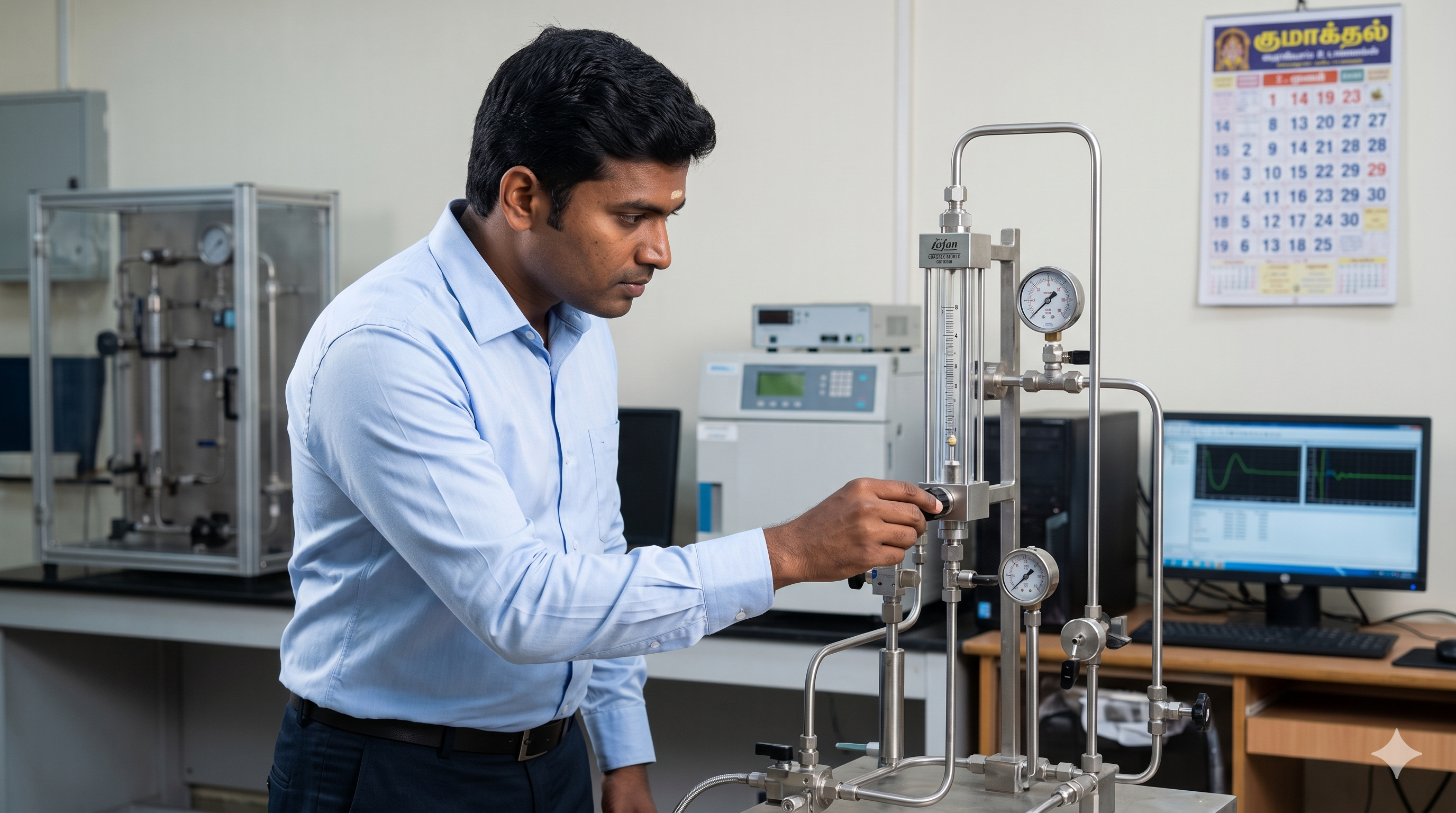
Low Flow Rotameters
- Also known as purge meters, built for highly sensitive, fractional flows.
- Measures down to cc/min or ml/min ranges with extreme accuracy.
- Utilizes specialized lightweight floats (glass, sapphire, stainless).
- Crucial for chemical micro-dosing and gas chromatography.
Access Catalog
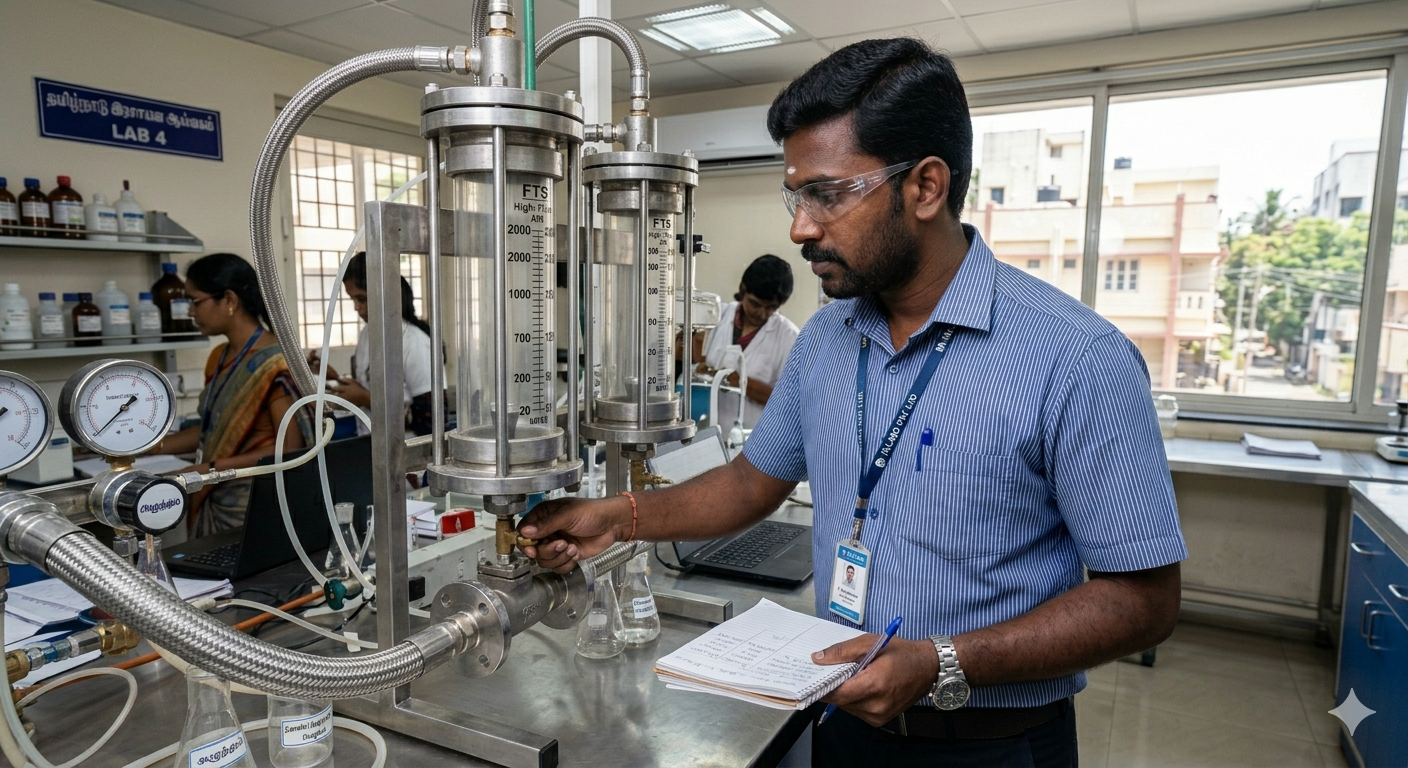
High Flow Rotameters
- Scaled to handle massive volumetric throughput in large pipelines.
- Employs rugged flanged connections and oversized tapered tubes.
- Maintains low pressure drop even at maximum flow capacities.
- Essential for municipal water mains and bulk fluid transfer stations.
Access Catalog
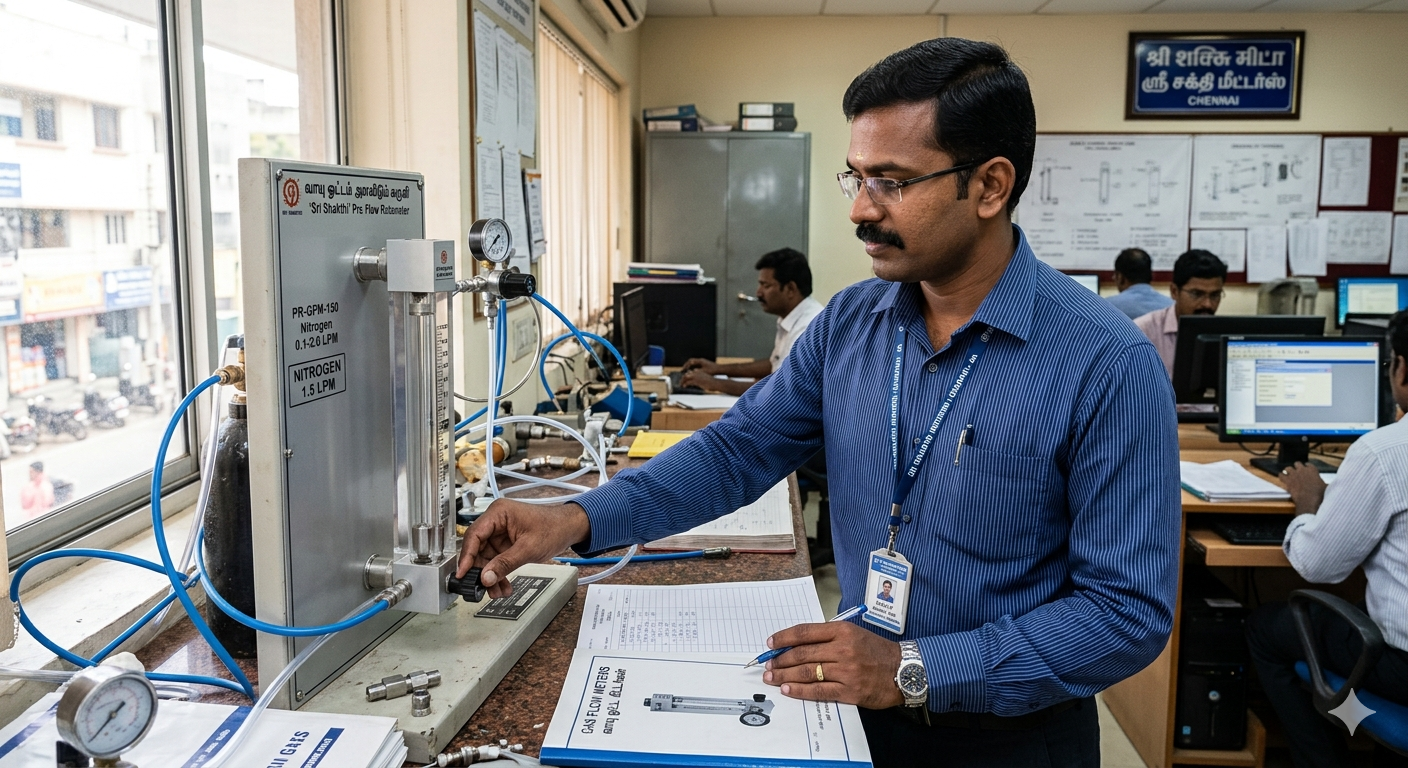
Gas Flow Rotameters
- Specifically calibrated for the density and viscosity of various gases.
- Available with custom scales for Air, Nitrogen, Oxygen, Argon, etc.
- Accounts for pressure and temperature variations in compressed systems.
- Widely used in welding operations and medical oxygen delivery.
Access Catalog
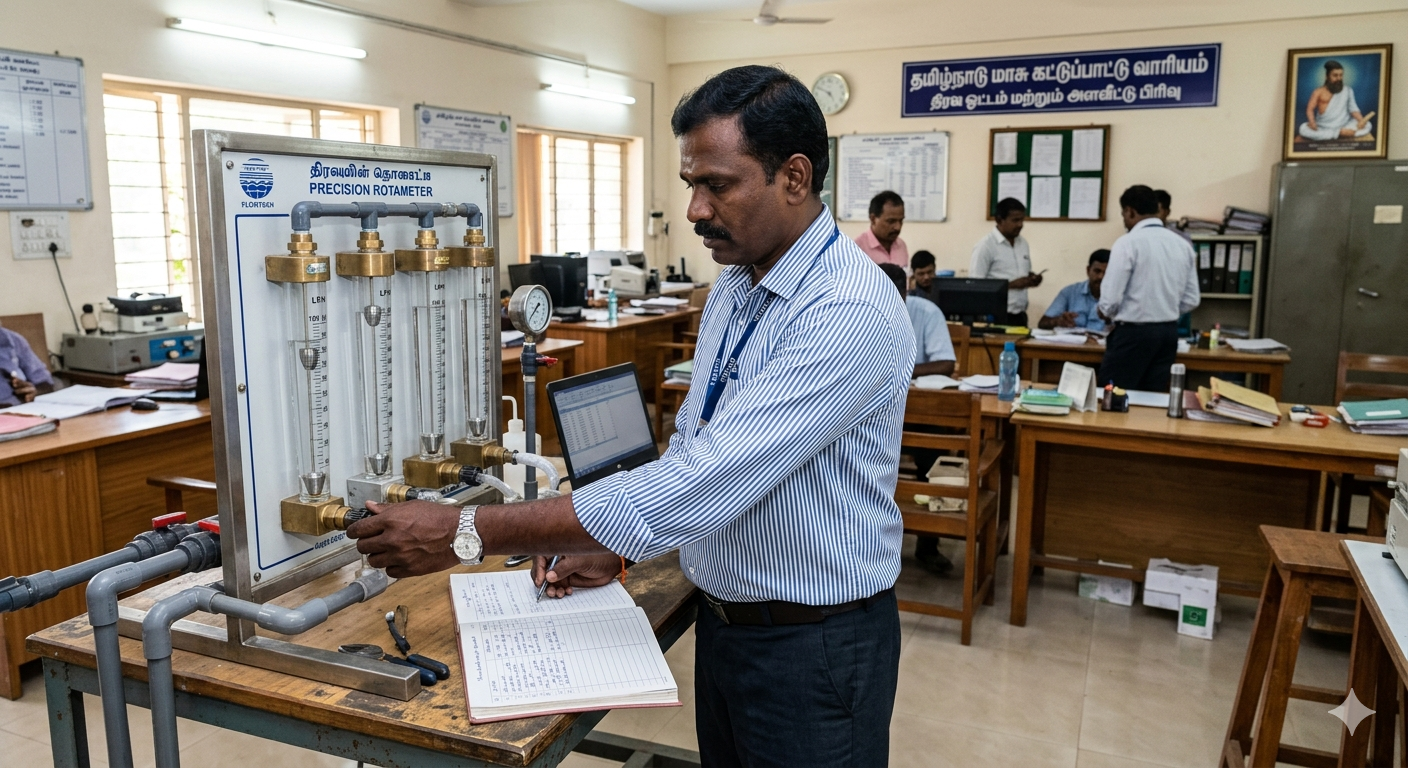
Liquid Flow Rotameters
- Calibrated specifically for the specific gravity of liquid mediums.
- Standardized for water (H2O), but adaptable for oils and coolants.
- Highly resistant to scaling and particulate buildup in the tube.
- Primary tool for monitoring industrial cooling circuits and RO systems.
Access Catalog

Laboratory Rotameters
- Designed with heavy tripod bases for stable benchtop operation.
- Provides exceptionally high resolution and accuracy (Class 1.6).
- Features interchangeable tubes to cover multiple flow ranges in one setup.
- Essential for R&D process scaling and analytical instrumentation.
Access Catalog

Industrial Rotameters
- Ruggedized construction to survive harsh manufacturing plant floors.
- Protected by thick polycarbonate safety shields or metal housings.
- Resistant to external pipe vibrations and pressure hammers.
- Built for longevity in aggressive, non-stop process environments.
Access Catalog
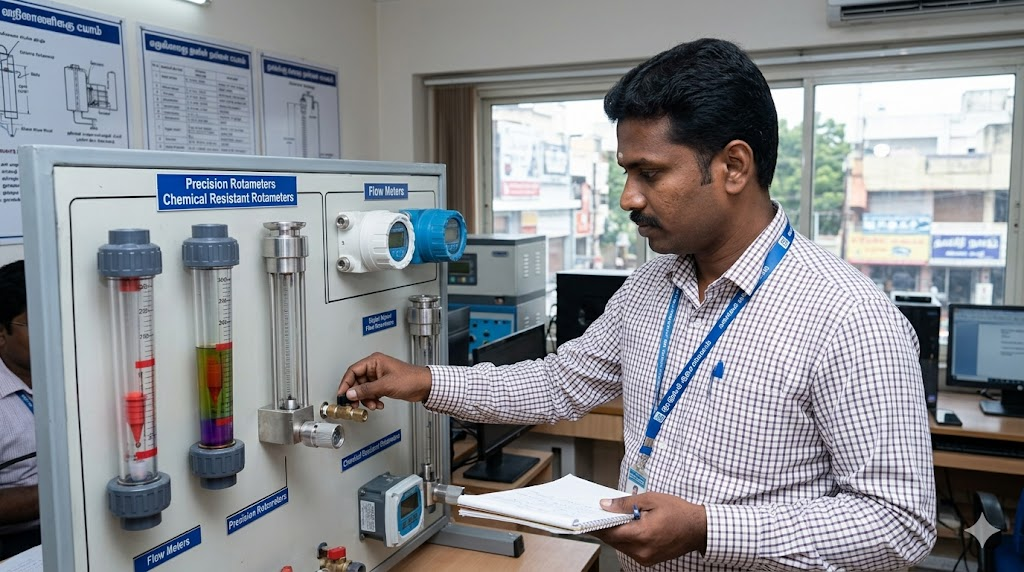
Chemical Resistant Rotameters
- Wetted parts machined from PTFE, Teflon, or PVDF plastics.
- Impervious to highly corrosive acids, caustics, and solvents.
- Utilizes Hastelloy or Tantalum floats to prevent chemical degradation.
- Crucial for semiconductor etching and aggressive fluid transfer.
Access Catalog
 Rotameters.png)
SS (Stainless Steel) Rotameters
- Fabricated entirely from premium 316/316L Stainless Steel.
- Ensures maximum hygiene, preventing bacterial buildup.
- Withstands extreme pressures and caustic wash-down procedures.
- Standard requirement for Food, Beverage, and Pharmaceutical industries.
Access Catalog
No Categories Found
Try adjusting your search terminology.
Enterprise Variable Area Protocol
Understanding the core operating principles of variable area flow meters ensures the selection of the correct instrument for accurate process control, material compatibility, and system pressure integrity. Incorrect specification can lead to catastrophic pressure drops, fluid leaks, or inaccurate dosing.
The Variable Area Principle
Core MechanicsFluid enters the bottom of a tapered tube, pushing a calibrated float upward. The float settles where the upward force of the fluid matches the downward force of gravity, creating an annular area proportional to the exact flow rate.
Key Advantage:
Self-cleaning, highly repeatable, and requires zero external electrical power.
Glass vs. Acrylic Bodies
Material SelectionAcrylic is highly durable and cost-effective for standard air and water applications. Borosilicate glass is required when dealing with aggressive chemicals, solvents, or elevated temperatures that would cloud or melt plastics.
Applications:
Water treatment (Acrylic) vs. Petrochemical sampling (Glass).
Magnetic Coupling
Metal Tube TechIn metal tube rotameters (used for high pressure/temperature or opaque fluids), you cannot see the float. Instead, a strong magnet inside the float links to an external dial indicator, providing safe, leak-proof reading.
Applications:
High-pressure steam boilers, crude oil processing, and hazardous chemicals.
Telemetry & Transmitters
Digital IntegrationModern rotameters bridge the gap between mechanical reliability and digital control. Using Hall-effect sensors, they convert the float's magnetic field into 4-20mA or HART protocol signals for central PLC processing.
Applications:
Automated plant dosing systems, SCADA alarms, and remote valve actuation.
Material & Tube Technology Matrix
| Tube Material | Max Temperature | Max Pressure | Primary Use Case |
|---|---|---|---|
| Machined Acrylic | 65°C (150°F) | 100 PSI | Water, Air, benign gases; highly cost-effective. |
| Borosilicate Glass | 120°C (250°F) | 150 PSI | Chemicals, solvents, and applications requiring high visibility. |
| PTFE / Teflon | 150°C (300°F) | 100 PSI | Ultra-corrosive acids (e.g., Hydrofluoric Acid) and caustics. |
| 316 Stainless Steel | 300°C (570°F) | 1500+ PSI | High-pressure steam, oil, and aggressive industrial environments. |
| Polycarbonate | 55°C (130°F) | 100 PSI | Shatter-resistant applications; medical and OEM equipment. |
Mission-Critical Selection Criteria
When specifying a rotameter for an enterprise or industrial application, evaluate the following vital parameters to guarantee performance and safety.
1. Specific Gravity & Viscosity
Rotameters are calibrated for specific fluid densities. A meter scaled for water will read inaccurately if used for viscous oils or alcohol without proper mathematical correction factors.
2. Operating Pressure & Temp
Gas flows are highly compressible. Ensure the meter is calibrated to your exact operating pressure and temperature, otherwise the displayed volumetric flow rate will be fundamentally flawed.
3. Valve Placement
For liquid applications, the control valve can be at the inlet or outlet. However, for gases discharging to atmosphere, the valve *must* be mounted on the meter inlet to maintain correct calibration pressure.