Precision Refractometers
High-precision optical instruments engineered to measure the refractive index (nD) of liquids, gels, and solids to determine concentration, purity, and Brix levels.
Widely Used By
Food & Beverage QC Chemical Plants Pharmaceutical Labs Gemologists Automotive (Coolant/DEF)
Key Purposes
Brix / Sugar Concentration Salinity Testing API Validation Gemstone Identification Process Inline Monitoring
Single Tap to Scroll • Double Tap to Open Catalog
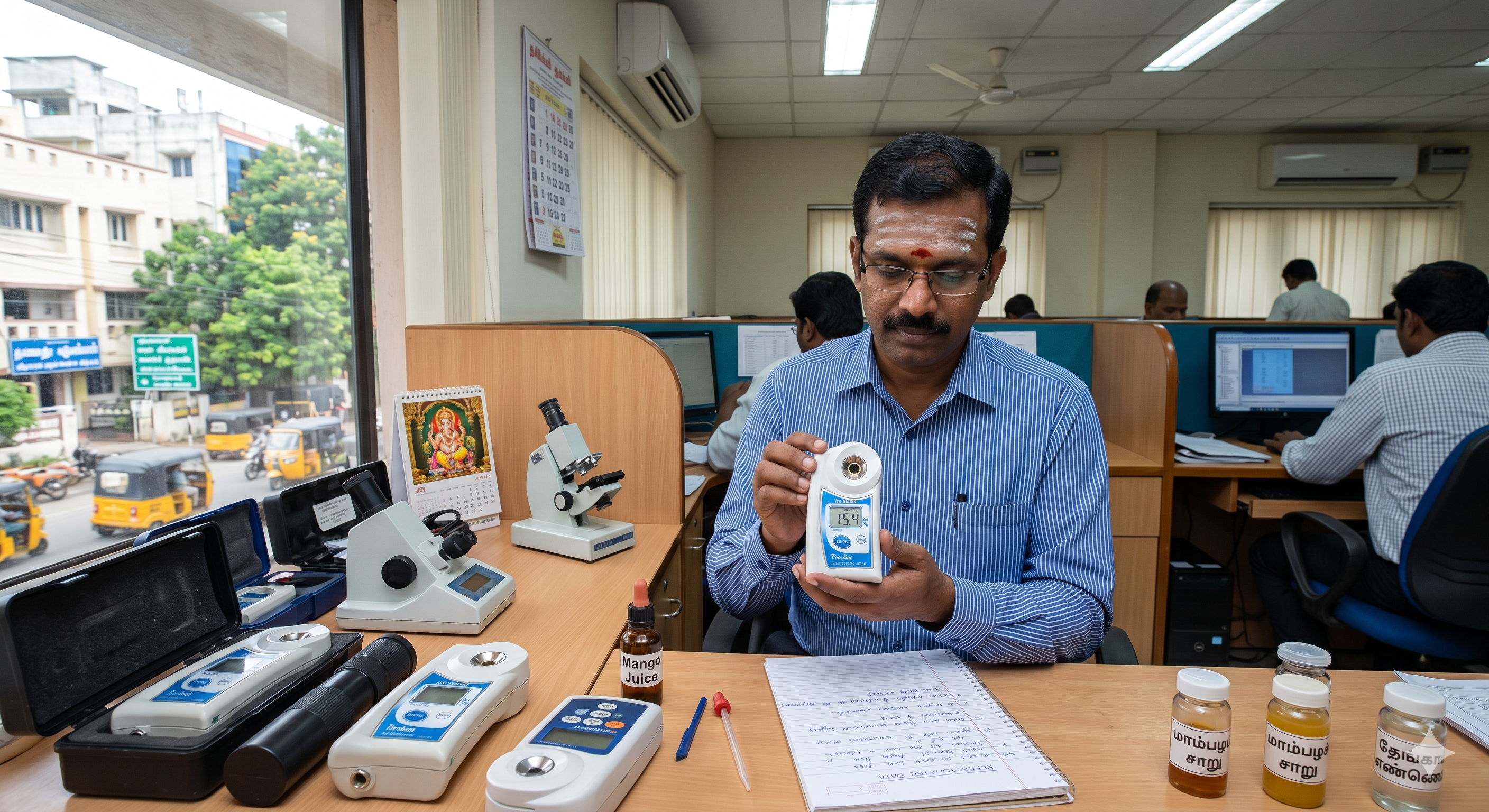
Digital Refractometers
- Instant LCD readout eliminates subjective shadow-line reading.
- Provides highly accurate nD and Brix measurements.
- Ideal for fast-paced laboratory environments.
Access Catalog

Analog / Handheld
- Classic optical eyepiece with internal etched scales.
- Requires zero batteries or power to operate in the field.
- Highly cost-effective for general agricultural and beverage use.
Access Catalog
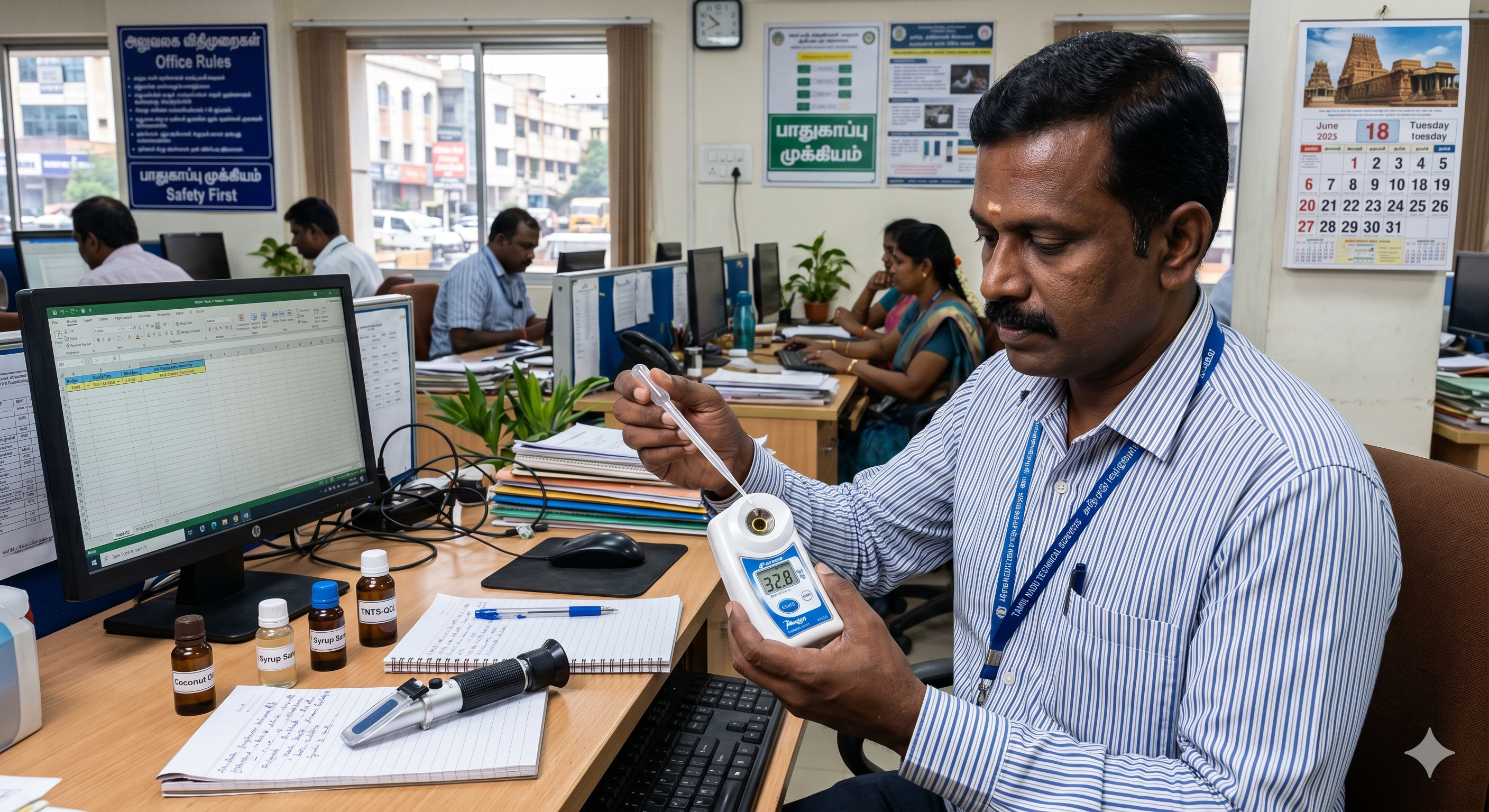
Portable Refractometers
- Compact, ruggedized cases for outdoor and factory floor testing.
- Includes carrying cases and drop-resistant housing.
- Perfect for immediate spot-checks on production lines.
Access Catalog

Benchtop / Laboratory
- Heavy-duty desktop units for intense analytical work.
- Provides extended measurement ranges and multi-scale options.
- Ensures extreme stability for research and development (R&D).
Access Catalog
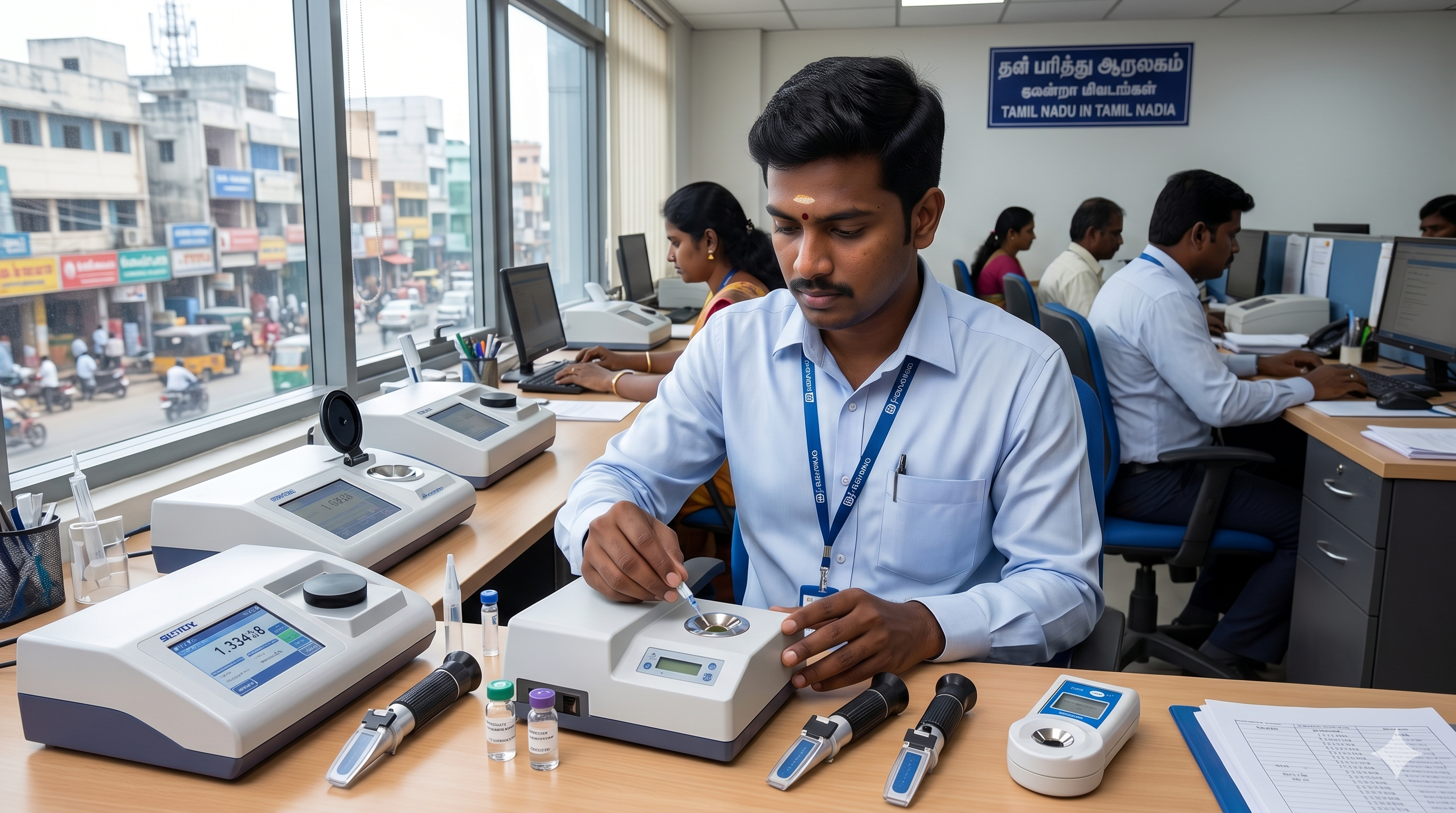
Automatic Refractometers
- Motorized optical scanning eliminates human interpolation.
- Delivers sub-second analysis for high-volume sample throughput.
- Crucial for strict quality control environments.
Access Catalog
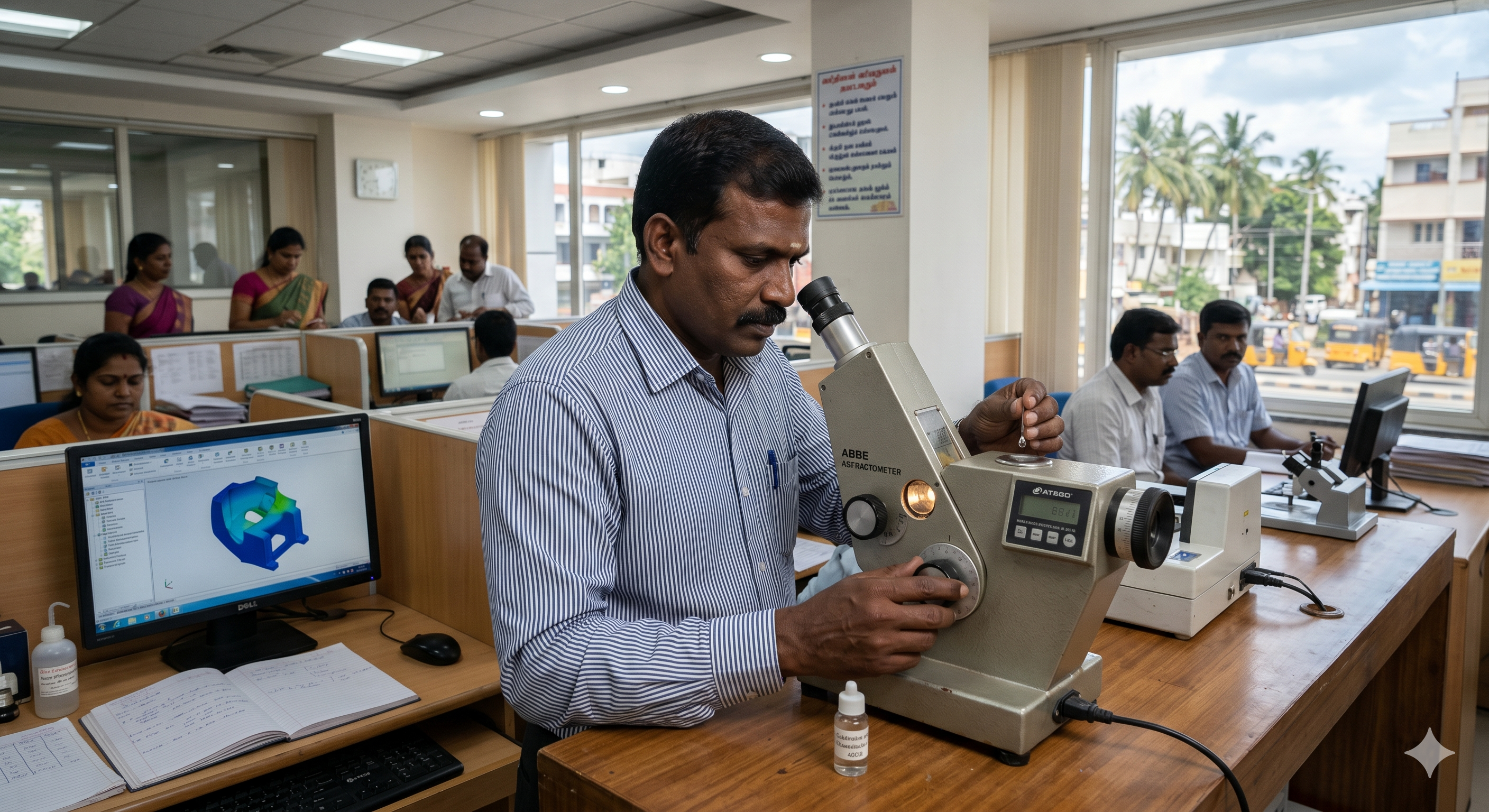
Abbe Refractometers
- The traditional gold-standard for measuring liquid and solid nD.
- Features thermostatic connections to external water baths.
- Essential for universities and fundamental material science.
Access Catalog

Inline / Process
- Installs directly into industrial piping and mixing vats.
- Provides continuous, 24/7 concentration monitoring.
- Automates dosing valves via 4-20mA or digital outputs.
Access Catalog
.png)
Brix (Sugar)
- Scaled specifically to measure sucrose concentration in liquids.
- Vital for fruit harvesting, winemaking, and juice manufacturing.
- Ranges from 0-32% (juices) up to 90% (honey and syrups).
Access Catalog
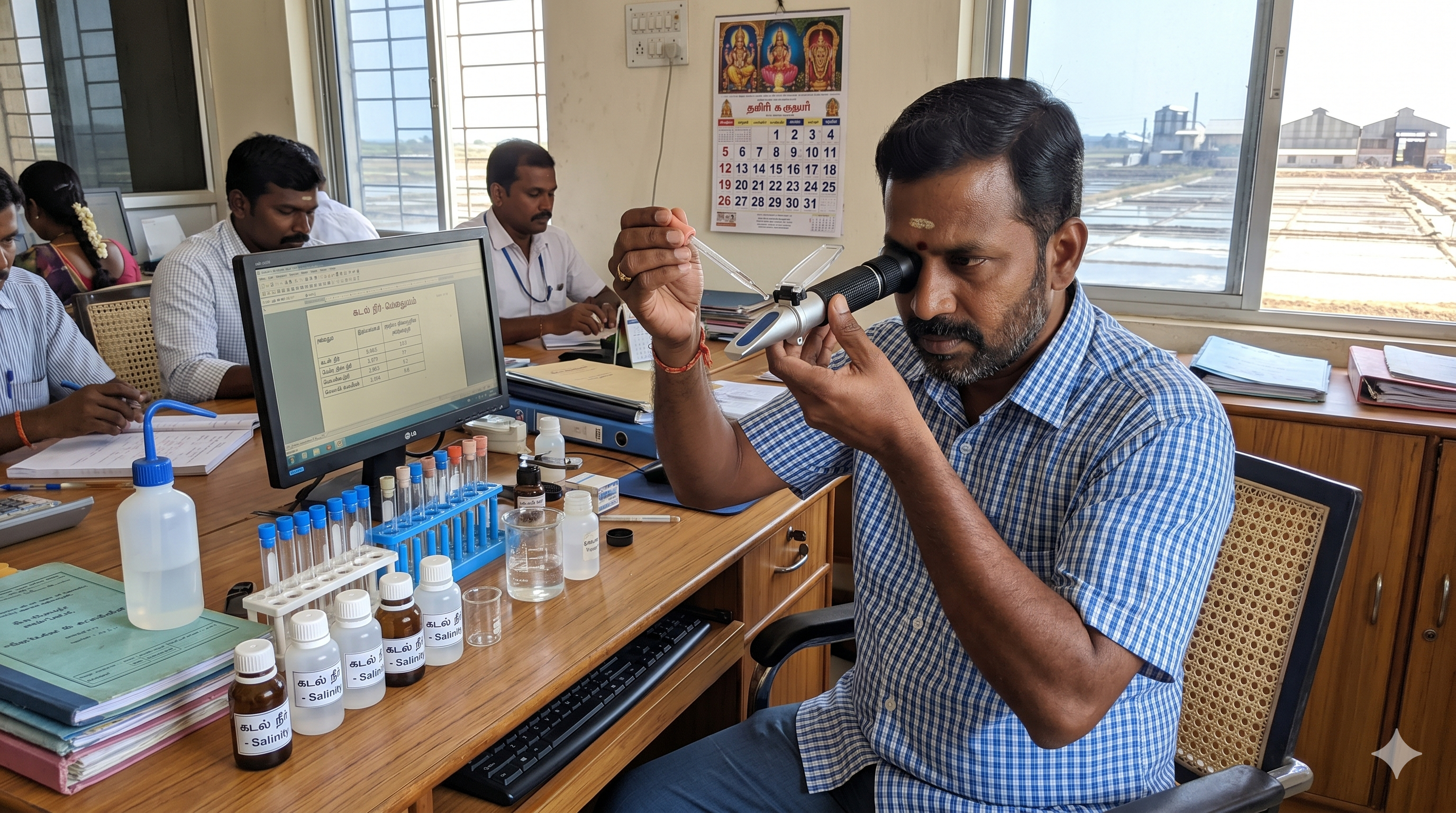
Salinity Refractometers
- Calibrated to measure dissolved salt levels (NaCl) or specific gravity.
- Used heavily in marine biology, aquaculture, and food brining.
- Features corrosion-resistant materials for saltwater environments.
Access Catalog

Clinical / Urine
- Designed for medical diagnostics and veterinary practices.
- Measures Urine Specific Gravity (USG) and Serum Protein.
- Requires only a micro-drop of fluid for rapid health assessment.
Access Catalog
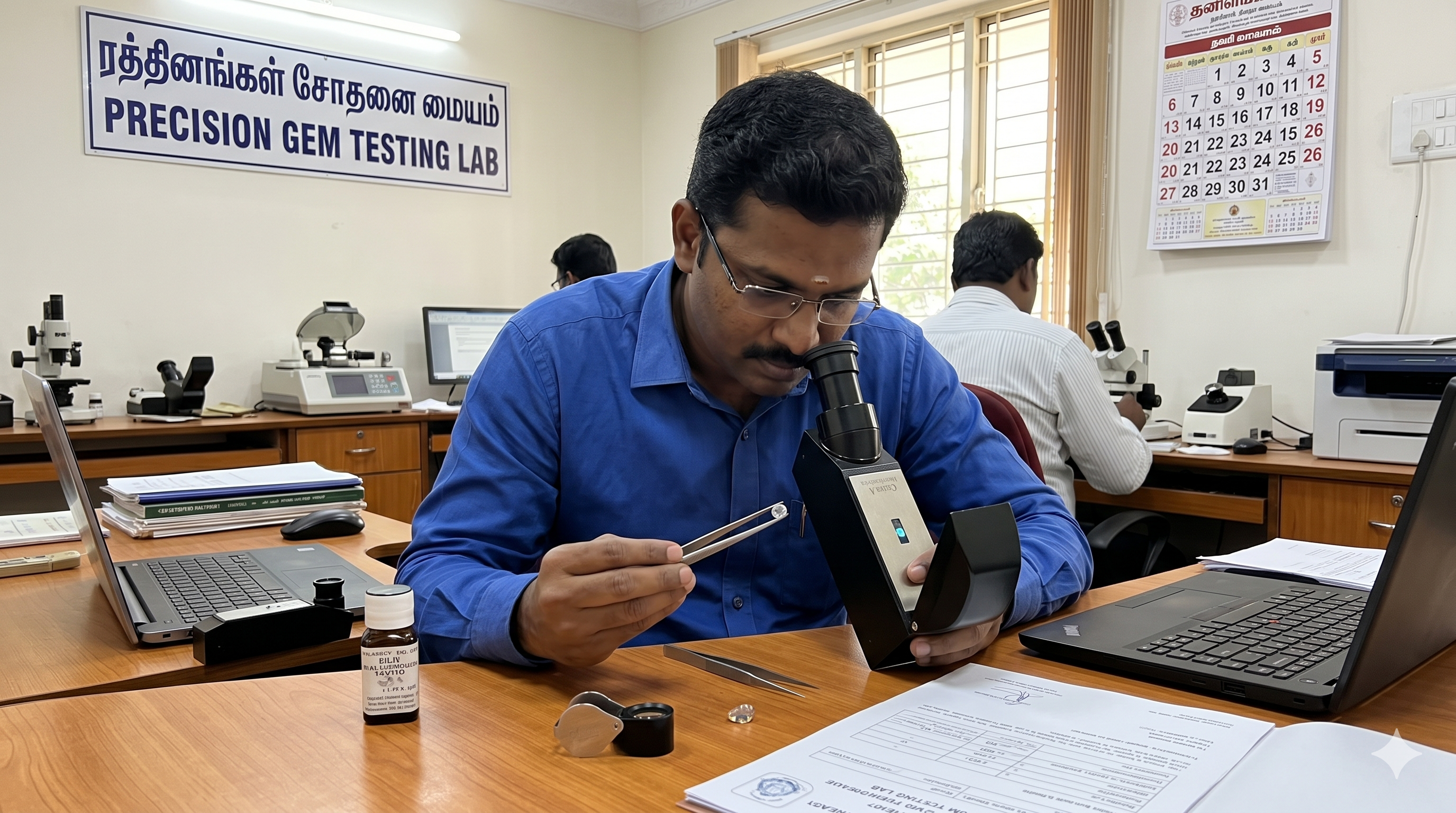
Gemstone Refractometers
- Specialized units with a high refractive index fluid interface.
- Identifies raw and cut gemstones by their unique optical signature.
- Crucial tool for professional jewelers and geological institutes.
Access Catalog
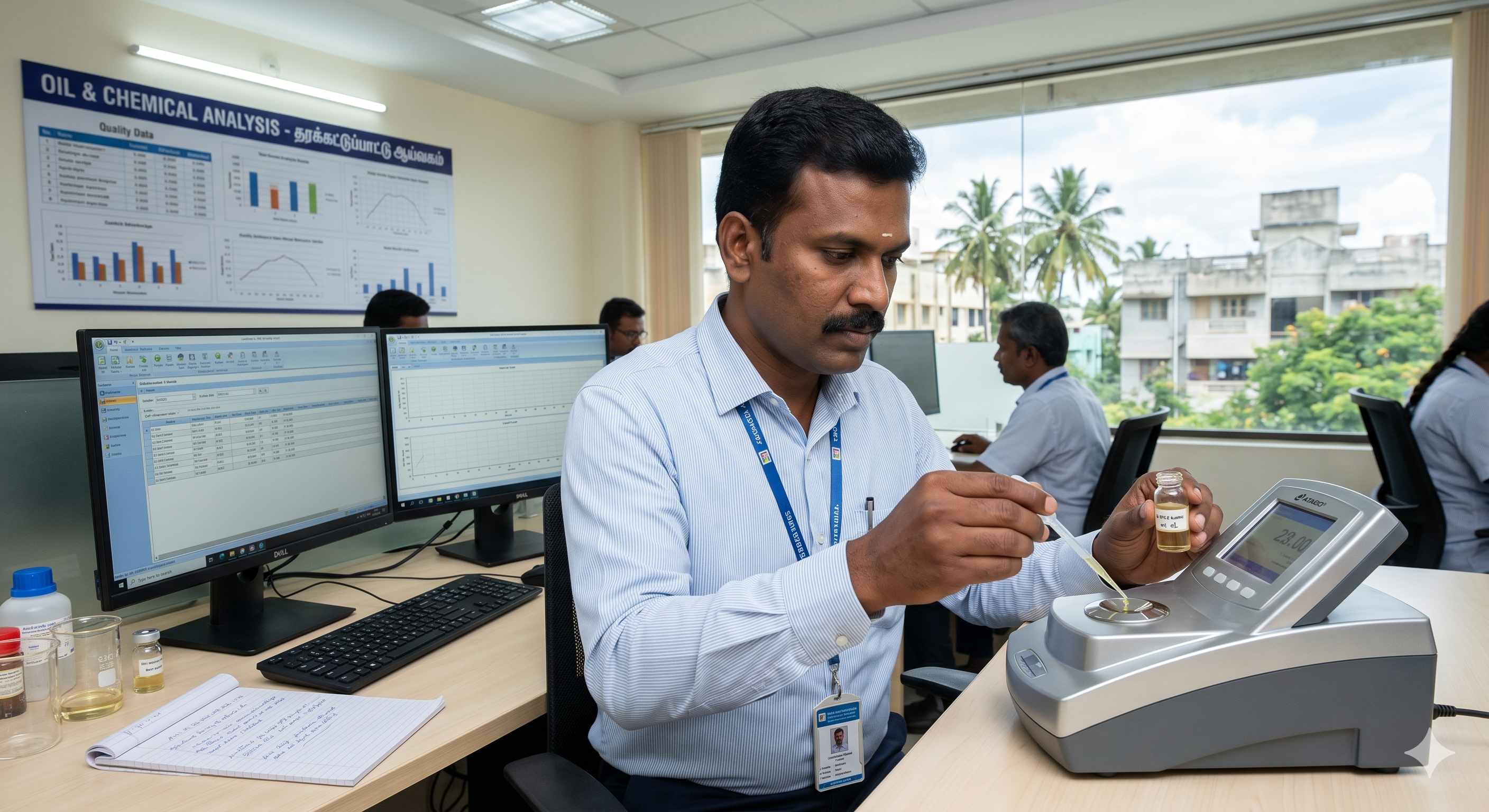
Oil & Chemical
- Measures industrial coolants, antifreeze, DEF, and cutting oils.
- Ensures CNC machines and engines run at optimal fluid mixtures.
- Solvent-resistant prisms for aggressive chemical sampling.
Access Catalog
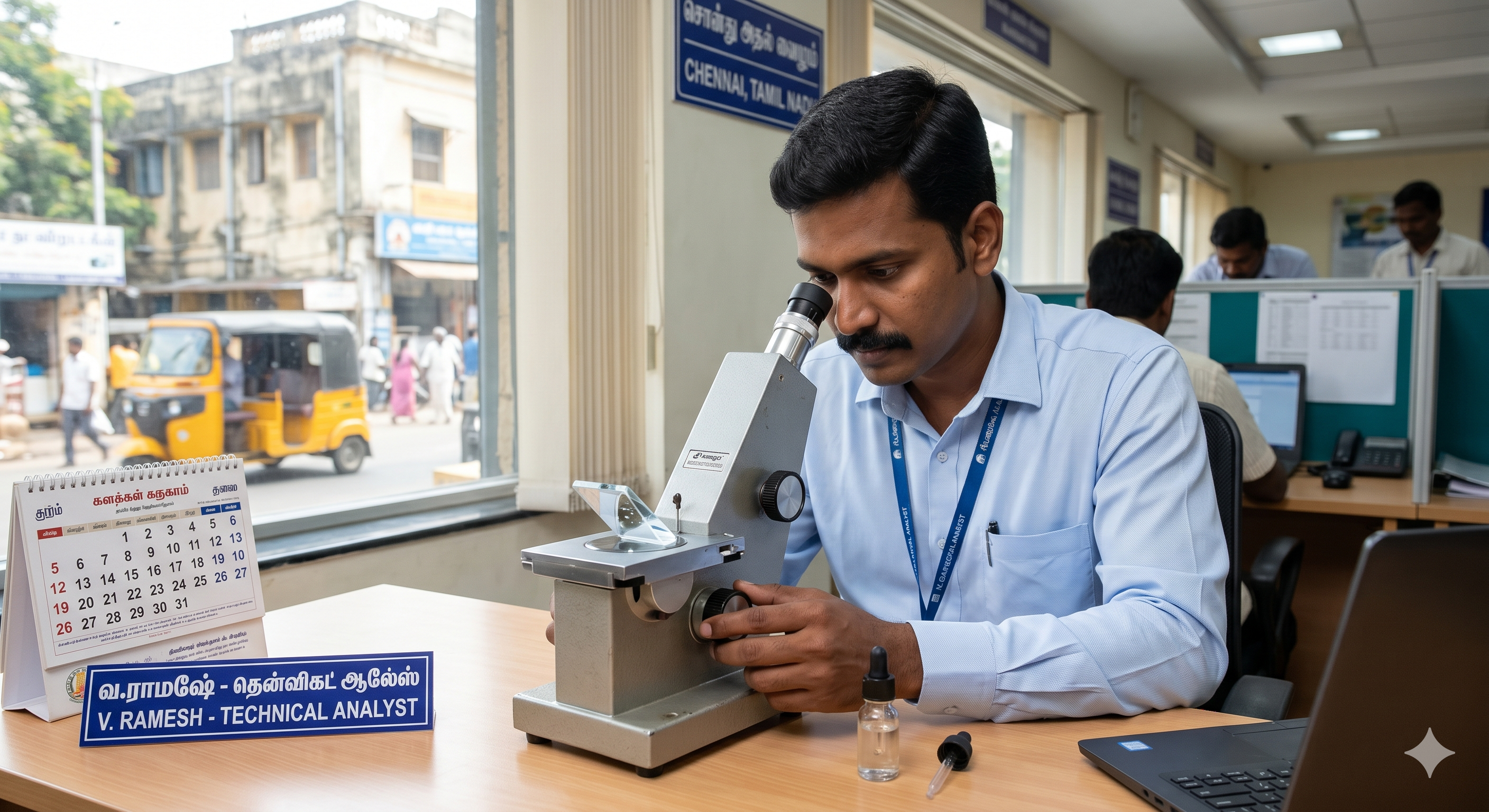
High Precision
- Delivers measurement resolution up to 5 decimal places (nD 0.00001).
- Mandatory for high-end pharmaceutical and forensic validations.
- Maintains extreme calibration stability over long periods.
Access Catalog
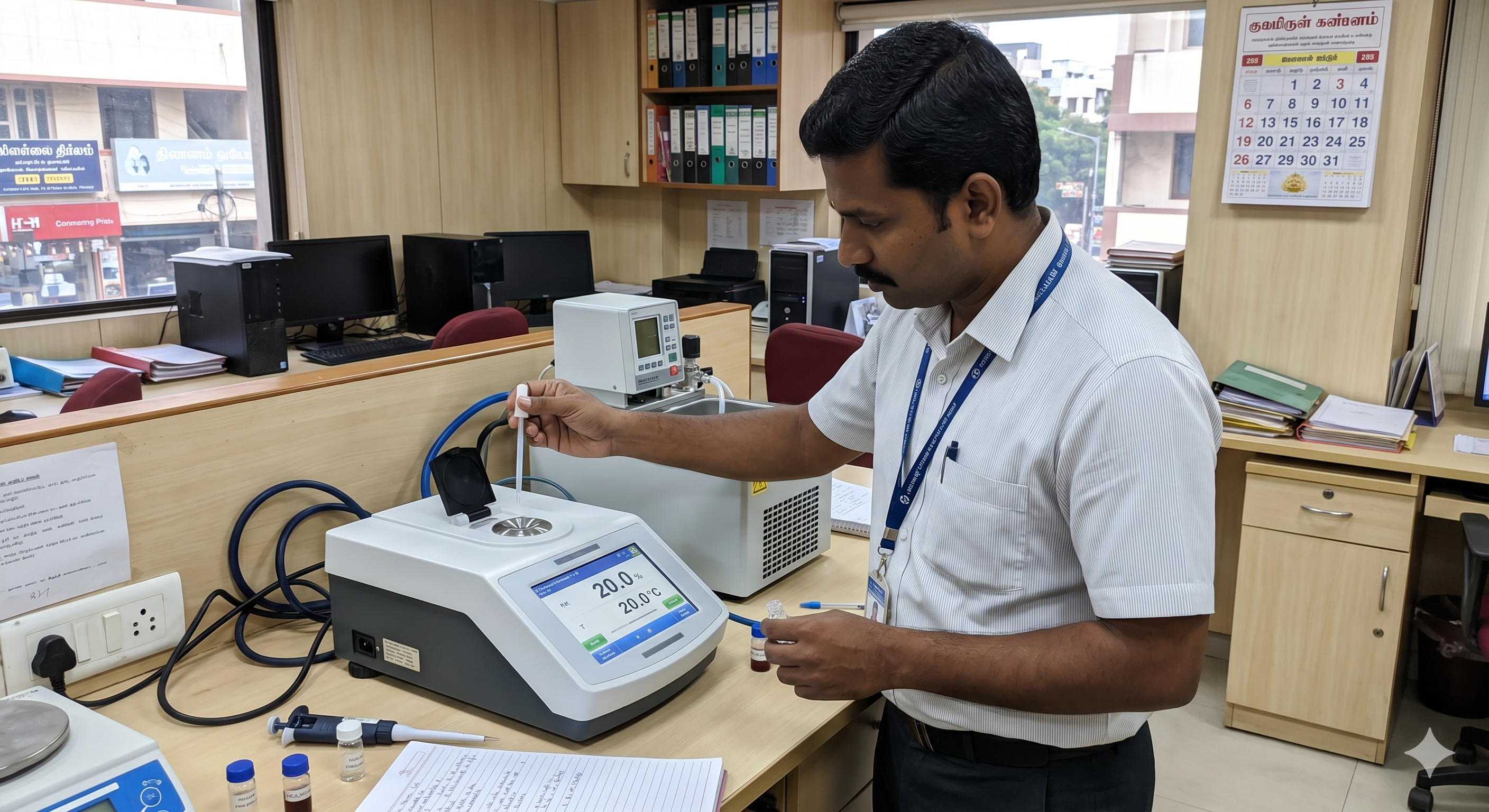
Temp-Controlled
- Integrated Peltier thermo-modules for exact sample heating/cooling.
- Eliminates the mathematical variance of ambient temperature shifts.
- Critical for testing essential oils and viscous petrochemicals.
Access Catalog
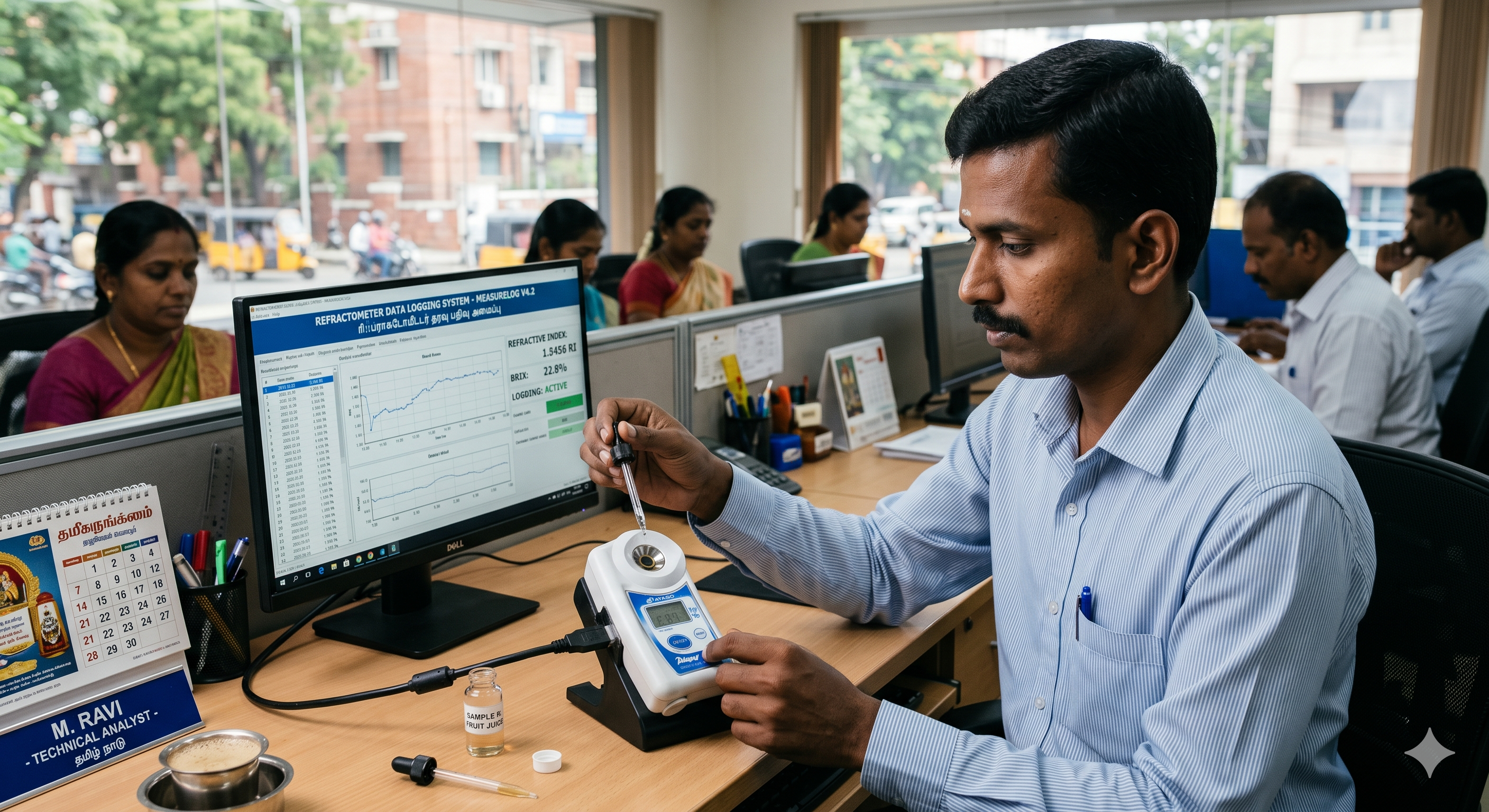
Data Logging / PC
- Features internal memory and USB/Ethernet integration.
- Exports LIMS/ERP-ready data for FDA 21 CFR Part 11 compliance.
- Automates quality control documentation and batch traceability.
Access Catalog
Enterprise Refractometry Protocol
Refractometers measure the speed of light passing through a medium compared to a vacuum (Snell's Law). The resulting critical angle is translated into a Refractive Index (nD) or Brix scale. Selecting the correct instrument ensures that temperature fluctuations and complex sample matrices do not compromise your quality control data.
Measurement Principle
Based on the principle of total internal reflection. An LED light source is aimed at a synthetic sapphire or high-density glass prism. The critical angle where light stops refracting and begins reflecting determines the sample's concentration.
The Brix Scale
Originally developed for the sugar industry, 1 degree Brix (°Bx) is defined as 1 gram of sucrose in 100 grams of aqueous solution. Today, it is heavily used to proxy the concentration of water-soluble liquids like cutting fluids and fruit juices.
ATC (Auto Temp Compensation)
The refractive index of any liquid drops as its temperature rises. ATC utilizes internal thermistors and algorithms to automatically correct the reading back to a standard 20°C (68°F), ensuring consistency regardless of the environment.
Calibration & Accuracy Standard
Precision models must be zero-calibrated using distilled water and span-calibrated using certified sucrose or nD reference standards. Adherence to strict cleaning protocols is required to prevent cross-contamination across micro-samples.
±0.00001
Max nD Res
ATC
Enabled