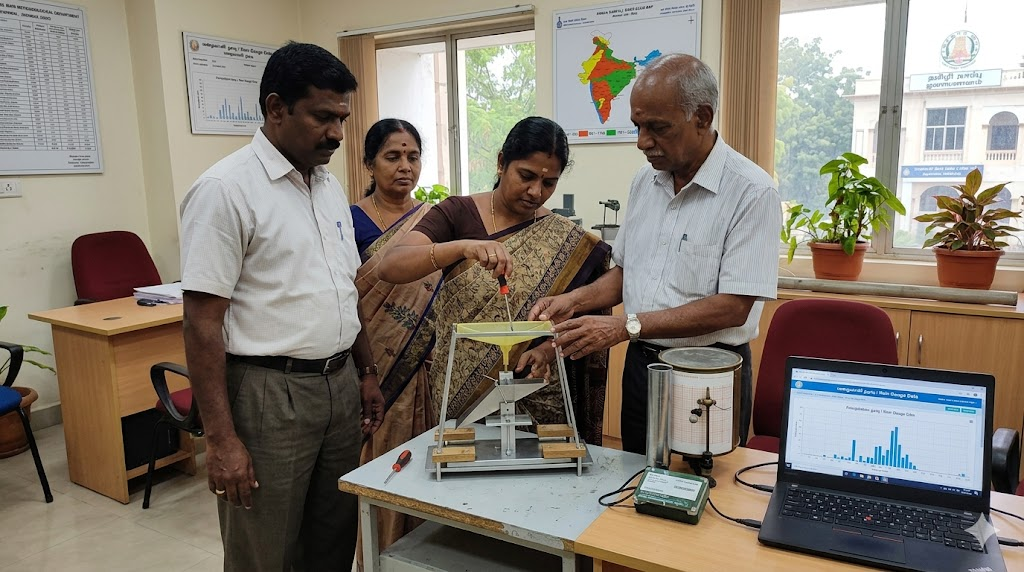
- Industry standard for automated rainfall measurement using a precision seesaw mechanism.
- Provides discrete digital pulses per calibrated volume (e.g., 0.1mm or 0.2mm per tip).
- Highly reliable for continuous, unmanned remote weather stations.
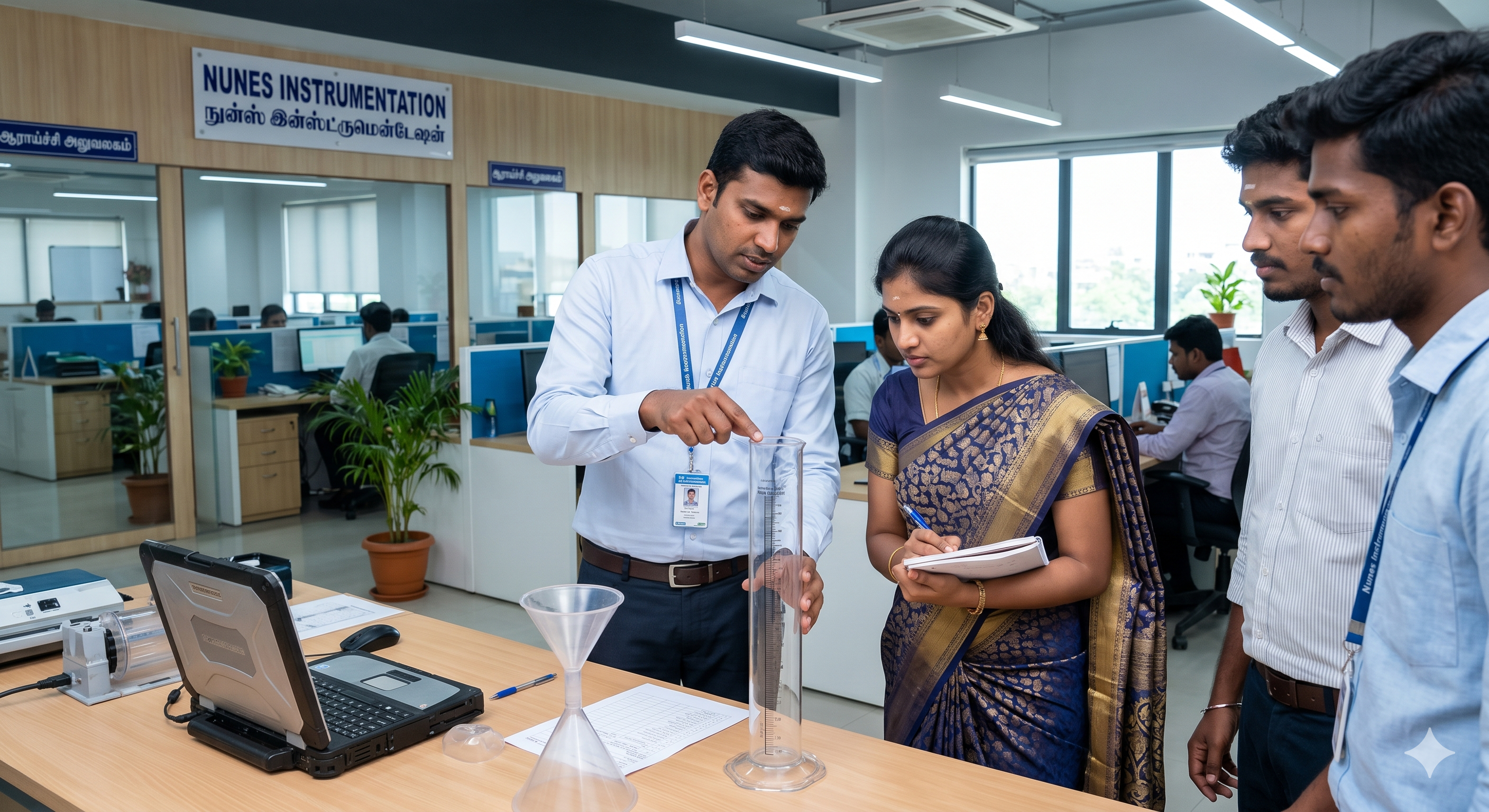
- Traditional, highly accurate non-recording cylindrical gauges.
- Utilizes a calibrated measuring cylinder to magnify rainfall depth for precise visual readings.
- Ideal as a fail-safe backup or primary instrument for daily observer stations.
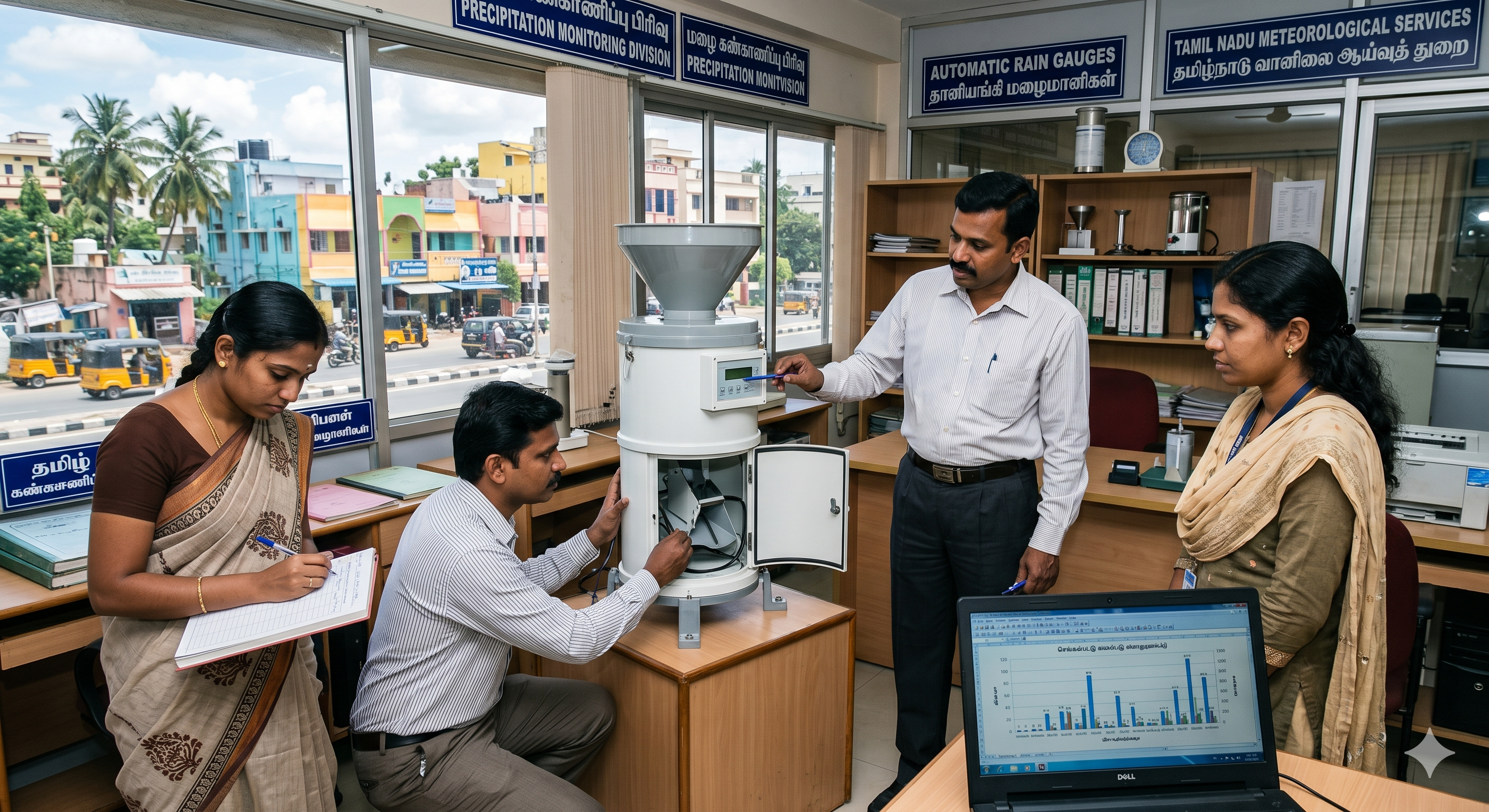
- Self-sufficient systems that measure, log, and transmit precipitation data continuously.
- Eliminates human error associated with manual observation and recording.
- Essential for real-time flood warning and early alert networks.
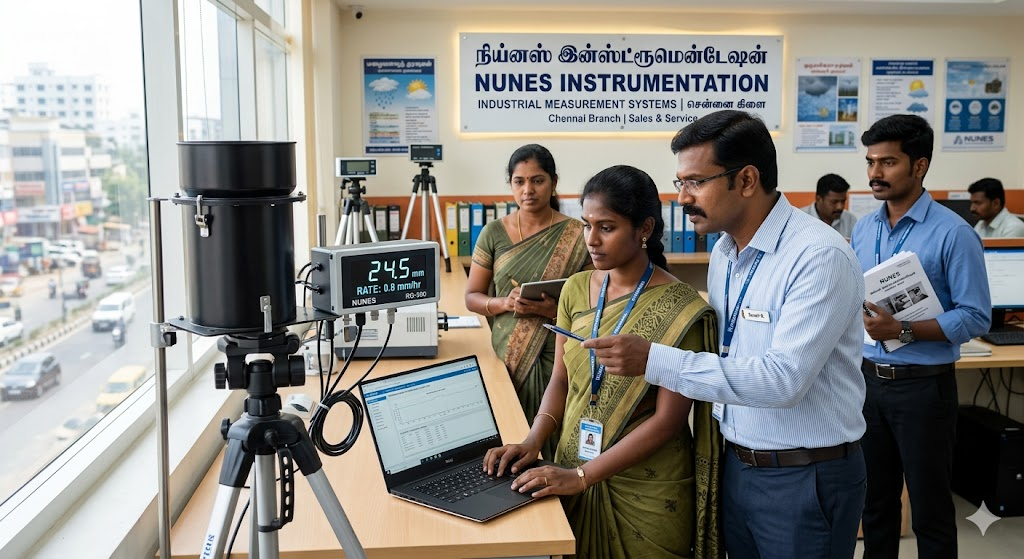
- Provides instant numerical readouts on integrated LCD screens or connected devices.
- Often calculates advanced metrics like rainfall rate, daily totals, and historical averages.
- Combines high-tech sensors with user-friendly digital interfaces.
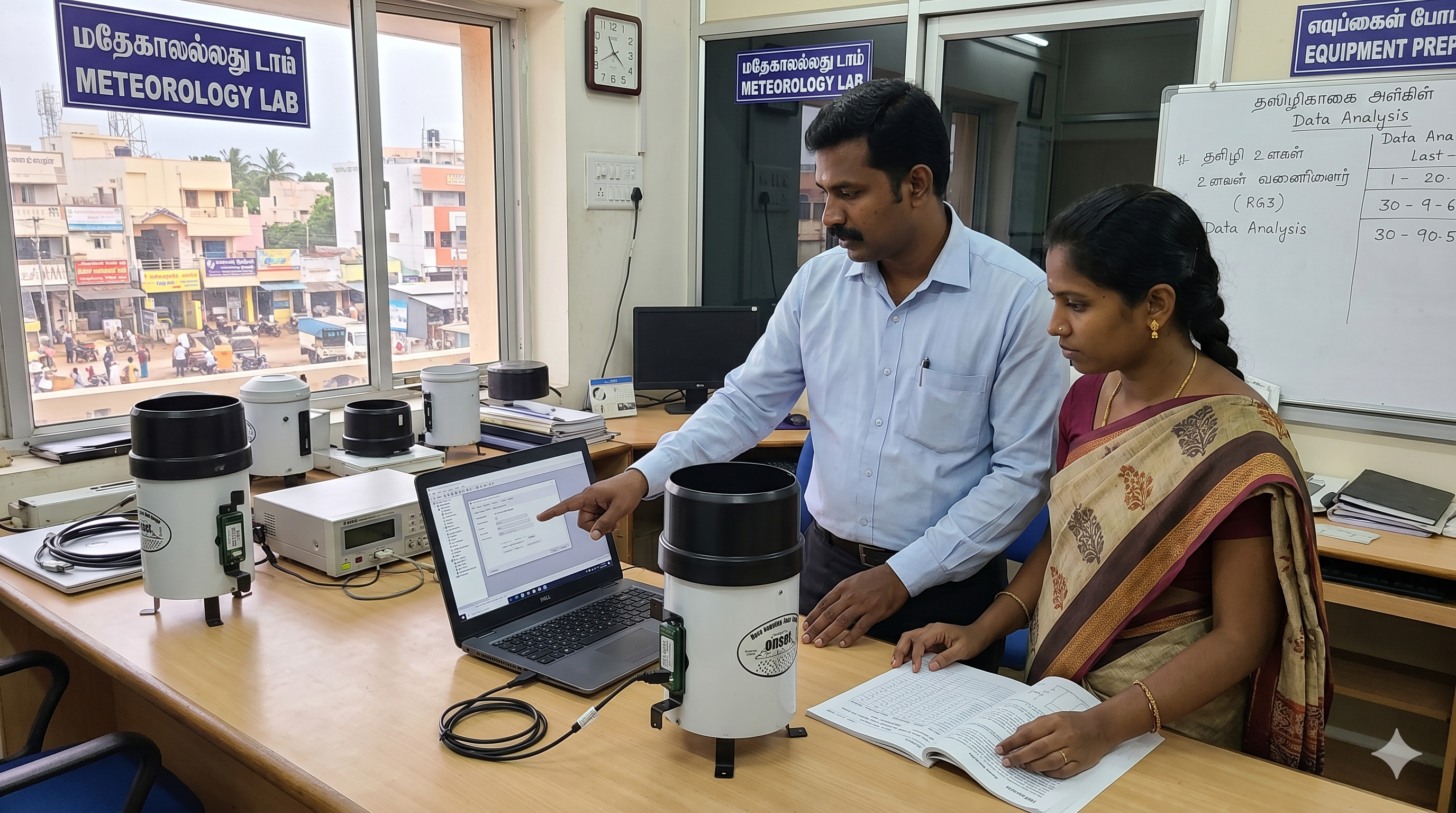
- Equipped with internal memory to store vast amounts of historical precipitation data.
- Allows for time-stamped, highly granular post-event analysis.
- Crucial for long-term climatology studies and remote site placements.

- Utilizes modern telemetry (Wi-Fi, LoRaWAN) to beam data directly to cloud servers.
- Enables live monitoring and alert systems from any global location.
- Drastically reduces the need for physical site visits to collect data.
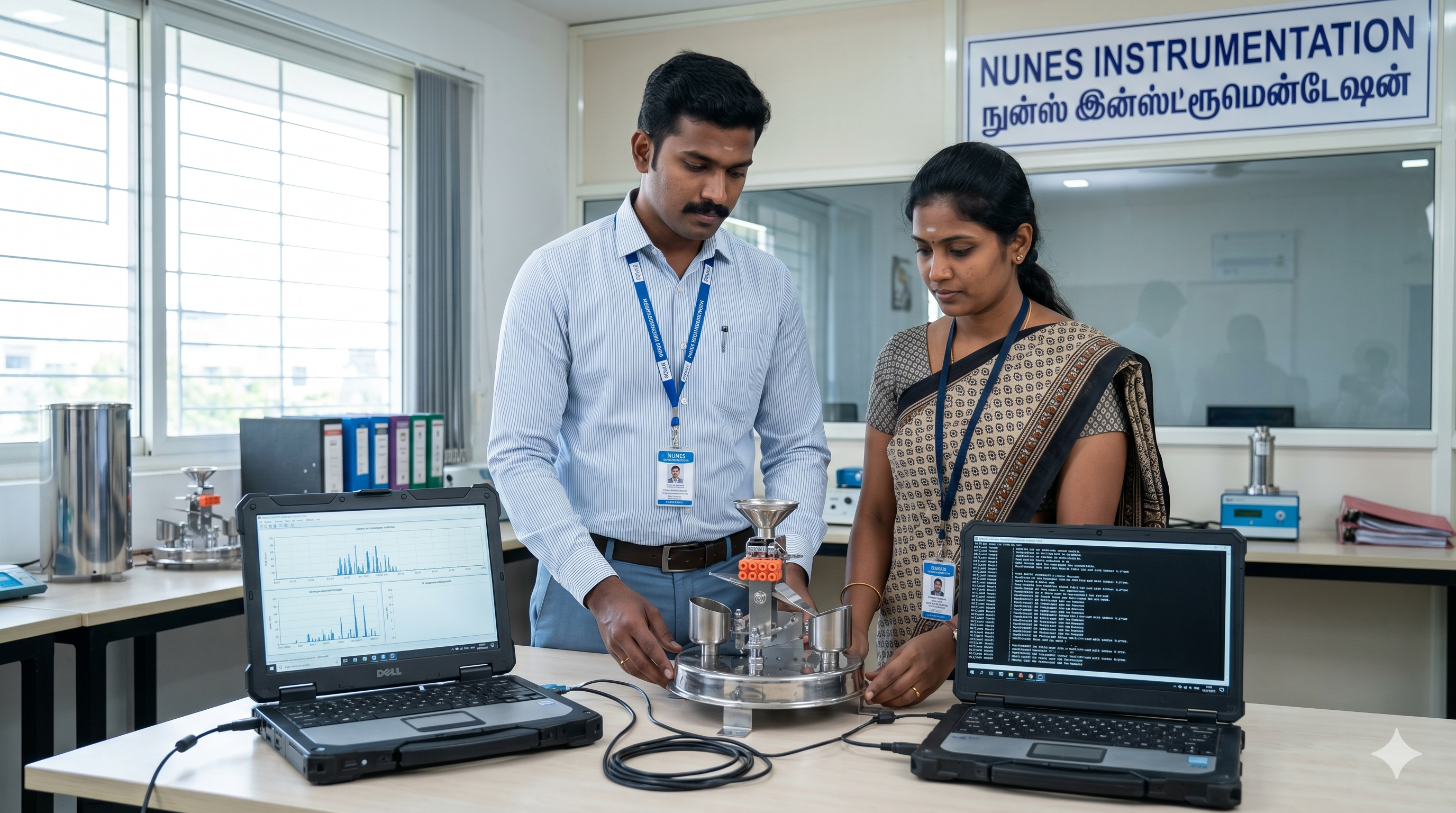
- Engineered with strict tolerances for metrology-grade measurement accuracy.
- Often utilizes weighing mechanisms rather than tipping buckets for finer resolution.
- Employed in critical research environments and primary national weather stations.
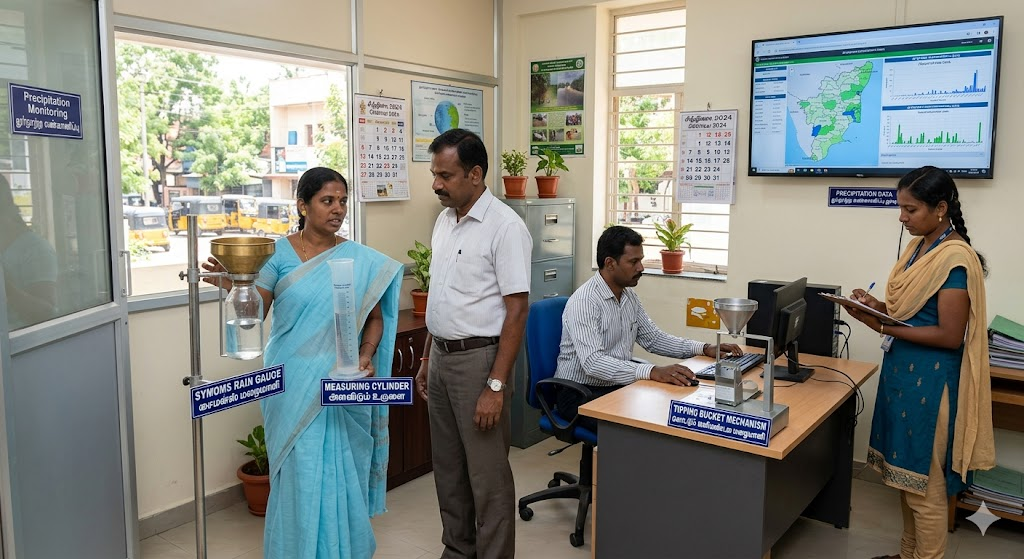
- Built exactly to specifications outlined by the World Meteorological Organization (WMO).
- Ensures standardized data collection that is globally recognized and comparable.
- Typically features specific aperture sizes (e.g., 200cm² or 8-inch).
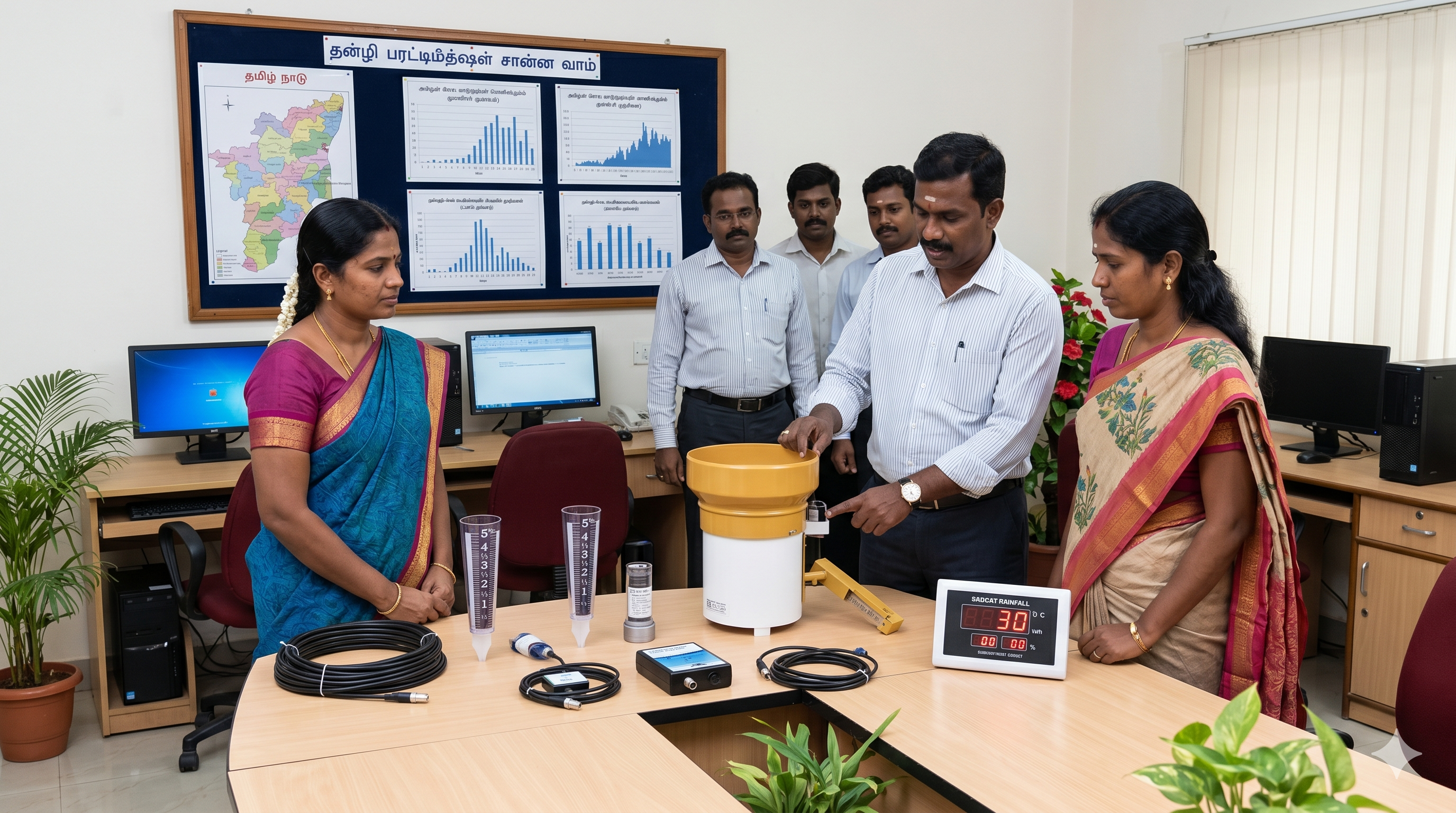
- Lightweight and easily deployable for temporary studies or rapid field setups.
- Ideal for localized microclimate research or temporary agricultural assessments.
- Maintains reasonable accuracy while prioritizing mobility.
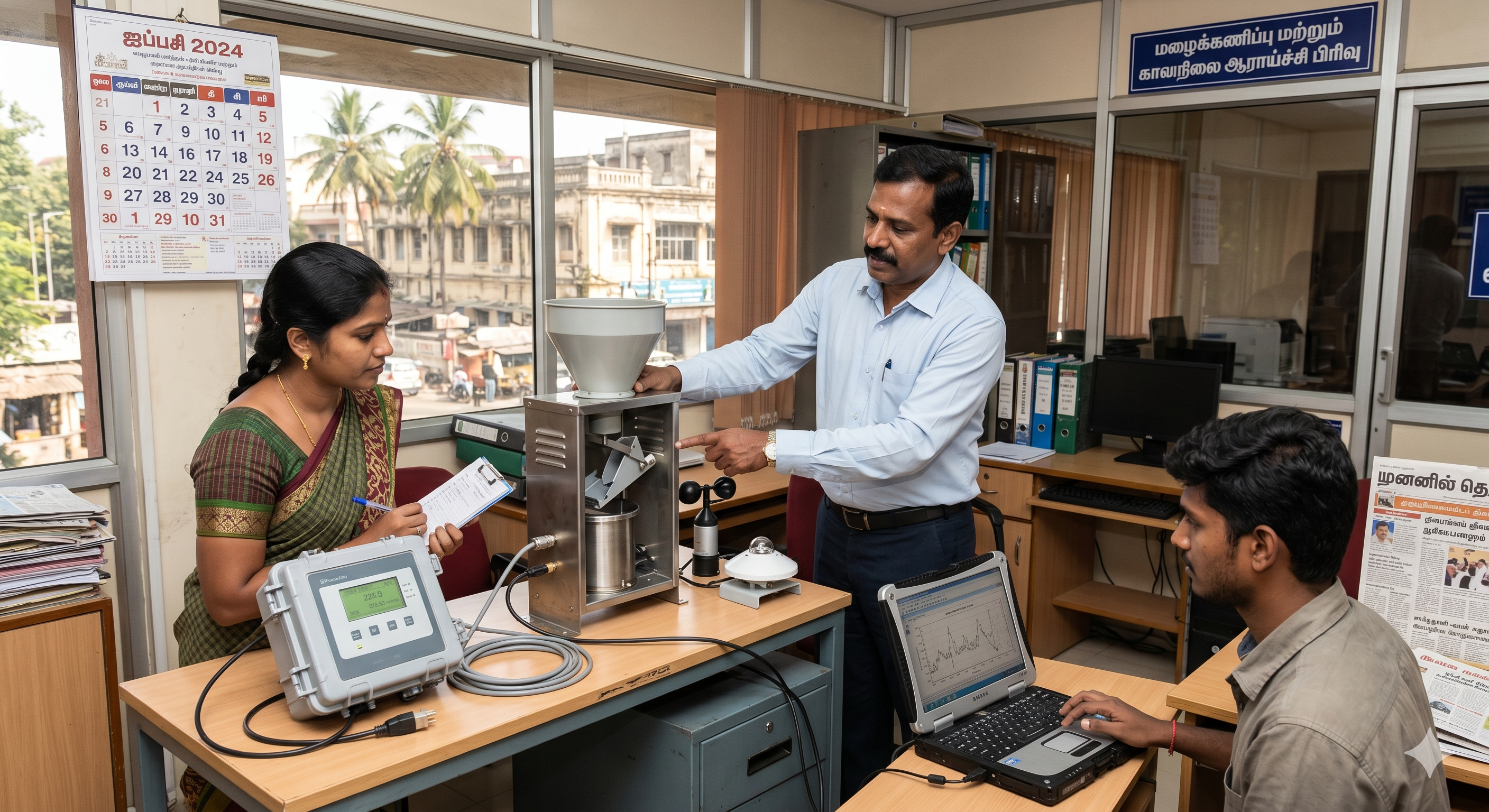
- Constructed with heavy-duty materials (like stainless steel) to survive harsh environments.
- Often integrated into broader industrial SCADA or plant control systems.
- Used to manage wastewater runoff and monitor environmental compliance at factories.
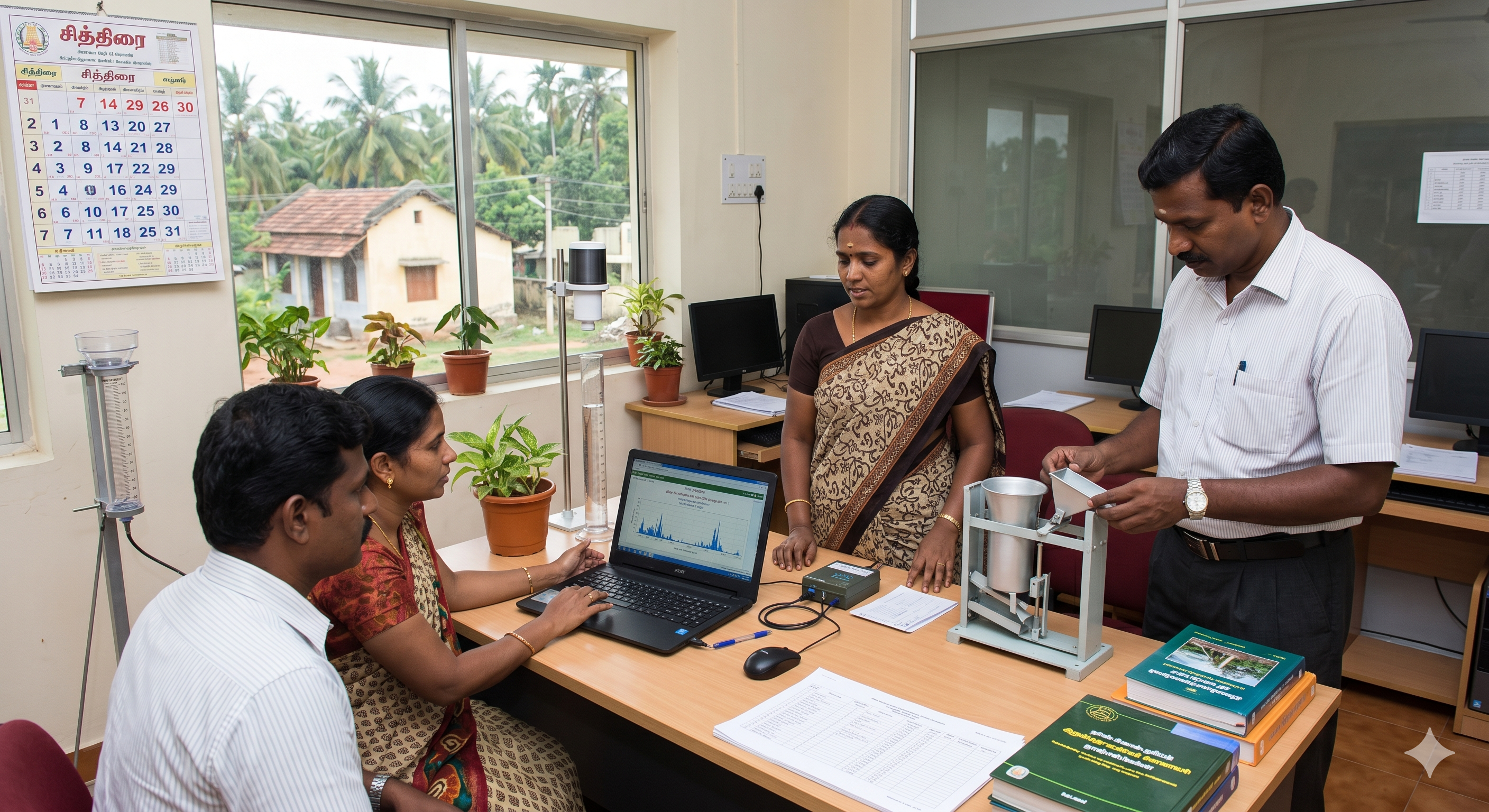
- Optimized for farm use to determine exact irrigation requirements.
- Helps farmers prevent over-watering, saving resources and protecting crop yields.
- Often features simple, robust designs suitable for broad field deployment.
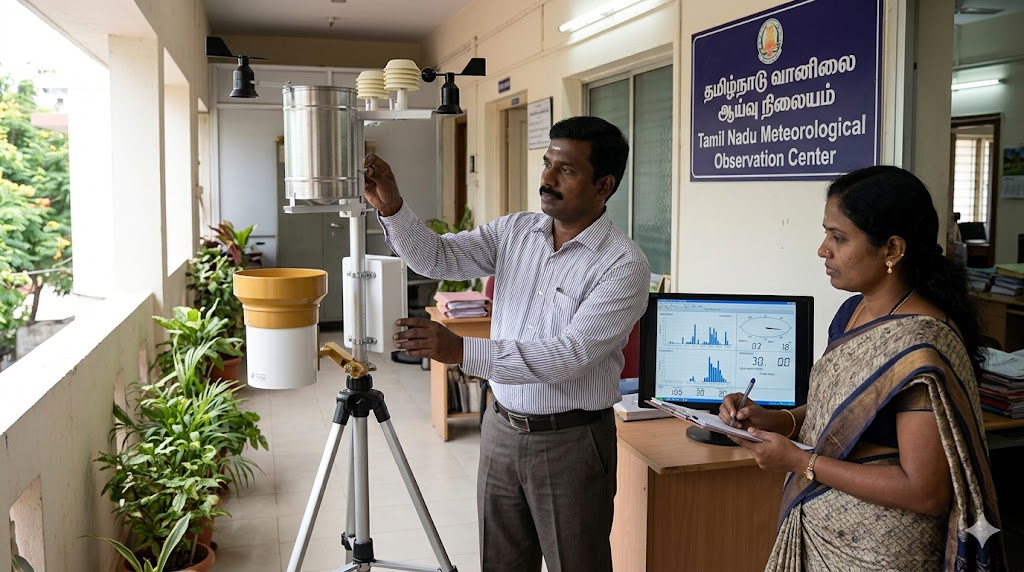
- Designed to plug directly into comprehensive multi-parameter weather suites.
- Correlates rainfall data simultaneously with wind, humidity, and temperature.
- Shares a central data logger and power supply for efficient system architecture.
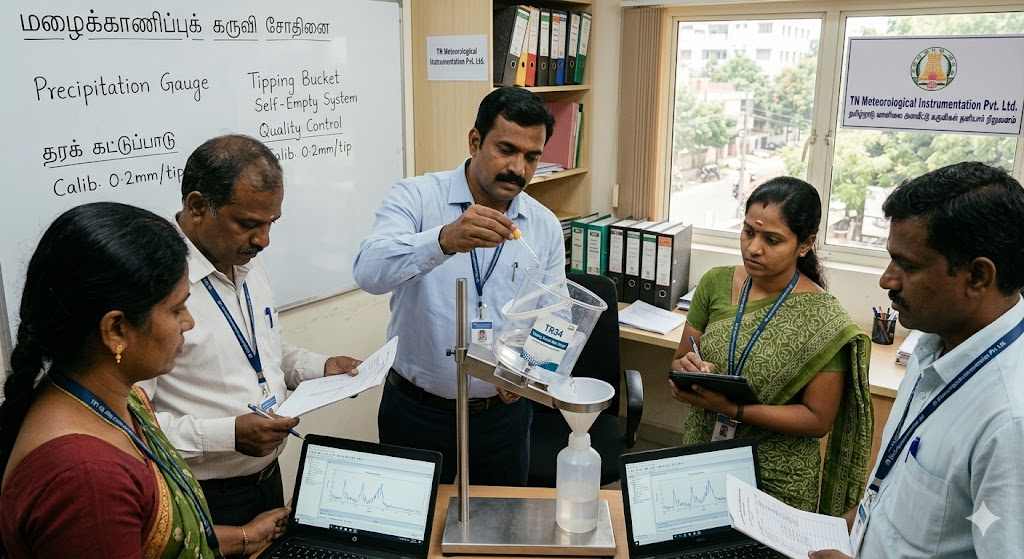
- Features the classic mechanism that automatically dumps water after measuring.
- Allows for infinite measurement capacity during extreme, prolonged rain events.
- Requires minimal maintenance compared to manual collection cylinders.
.png)
- Equipped with internal heating elements to melt snow, sleet, or hail instantly.
- Allows continuous measurement of liquid-equivalent precipitation in freezing climates.
- Prevents the gauge funnel from blocking during severe winter storms.
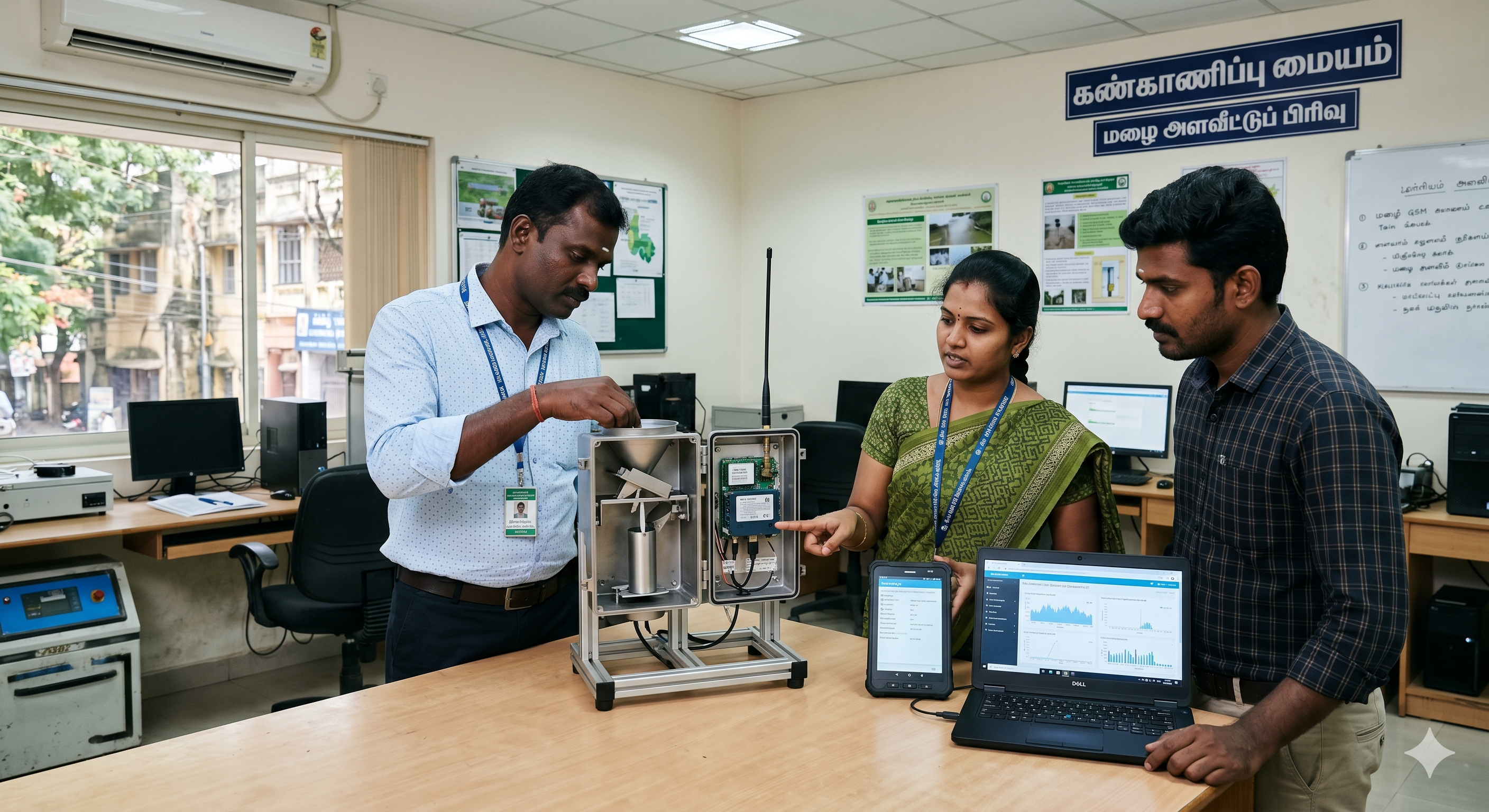
- Utilizes cellular networks (GSM/GPRS/4G) to transmit data from isolated locations.
- Ideal for widespread hydrological networks where Wi-Fi or cabling is impossible.
- Can send SMS alerts directly to authorities during flash flood scenarios.
Enterprise Hydrometry Protocol
Accurate precipitation measurement is critical for agriculture, hydrology, and civil safety. Selecting the correct gauge mechanism ensures reliable data collection under varying intensity levels and climatic extremes.
Tipping Bucket Mechanism
Best For: Automated Continuous LoggingWater is funneled into a divided bucket. When a specific volume is reached, the bucket tips, dumping the water and recording a pulse. Excellent for unmanned stations, though intensity must be mathematically compensated at very high rain rates.
Weighing Gauge Mechanism
Best For: High Precision & Solid PrecipitationContinuously weighs the accumulated precipitation in a collection container. It provides extremely high resolution and does not suffer from under-reporting during intense, torrential downpours unlike mechanical tipping systems.
Acoustic / Optical Sensors
Best For: Zero Maintenance (Solid State)Uses acoustic detection (sound of drops hitting a dome) or optical lasers to measure drop size and intensity. Contains no moving parts, eliminating physical wear and avoiding blockages from leaves or debris.
Standard Non-Recording (Manual)
Best For: Reliable Baseline ReferenceA simple, highly accurate cylindrical gauge with a magnifying measuring tube. Immune to power failures and electronic glitches. Essential as a calibration reference or backup at major meteorological stations.
Application & Installation Guidelines
| Environment / Need | Recommended Technology | Installation Requirement |
|---|---|---|
| Remote / Unmanned Location | Tipping Bucket with GSM Telemetry | Solar panel setup, clear sky view, anti-bird spikes. |
| Freezing / Snowy Climates | Heated Tipping or Weighing Gauge | Reliable mains power required for heating elements. |
| Flash Flood Warning Systems | Fast-response Digital/IoT Gauge | Immediate cellular or radio transmission capabilities. |
| High-Debris Areas (Forests) | Optical / Solid-State Sensor | Avoid physical funnel mechanisms that can easily clog. |