Portable, handheld, online and hospital oxygen purity validation systems.
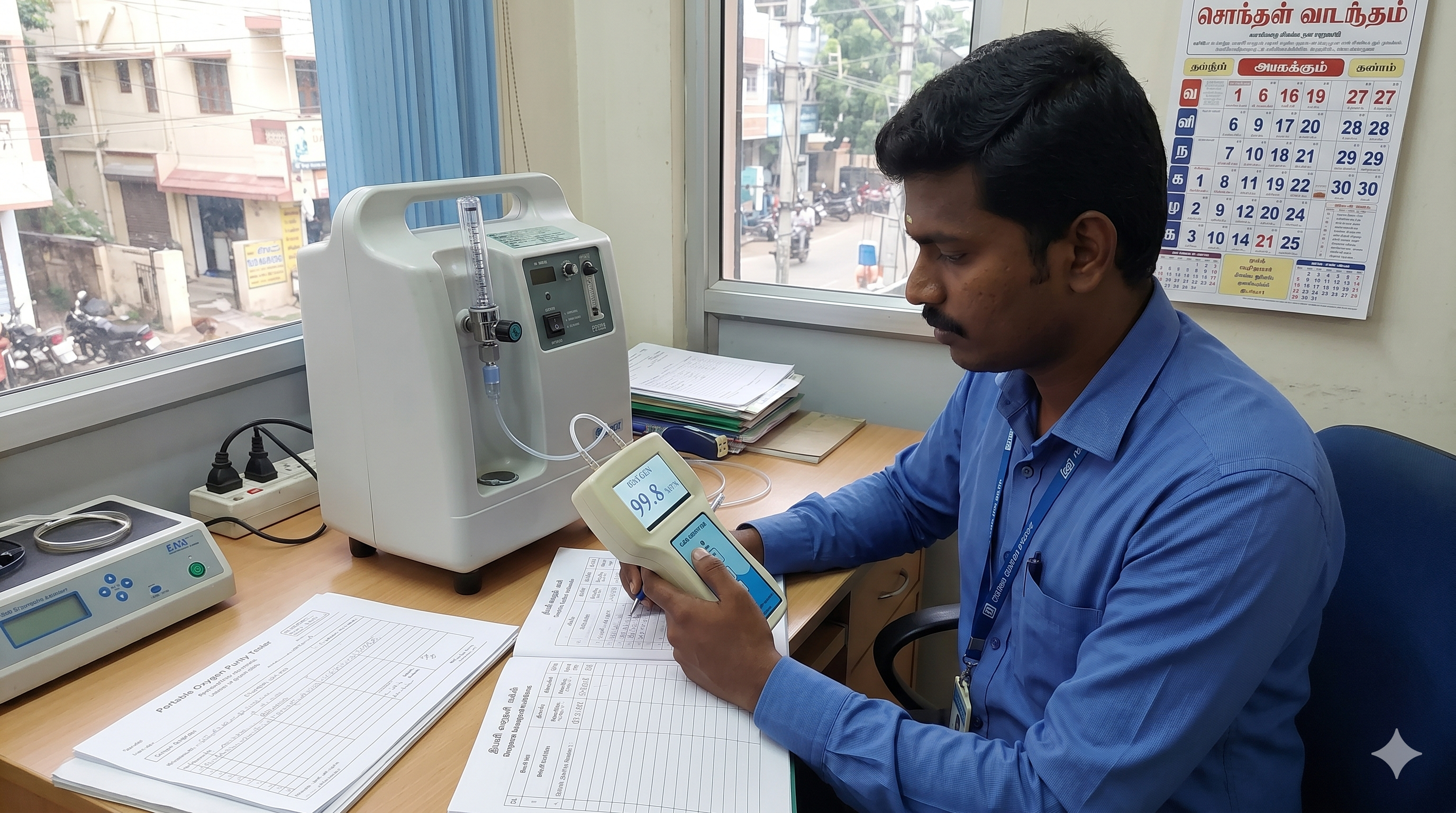
- Compact mobile design for rapid field assessment.
- Ideal for spot-checking cylinder or pipeline purity on-the-go.
- Extended battery life and rugged housing for field durability.
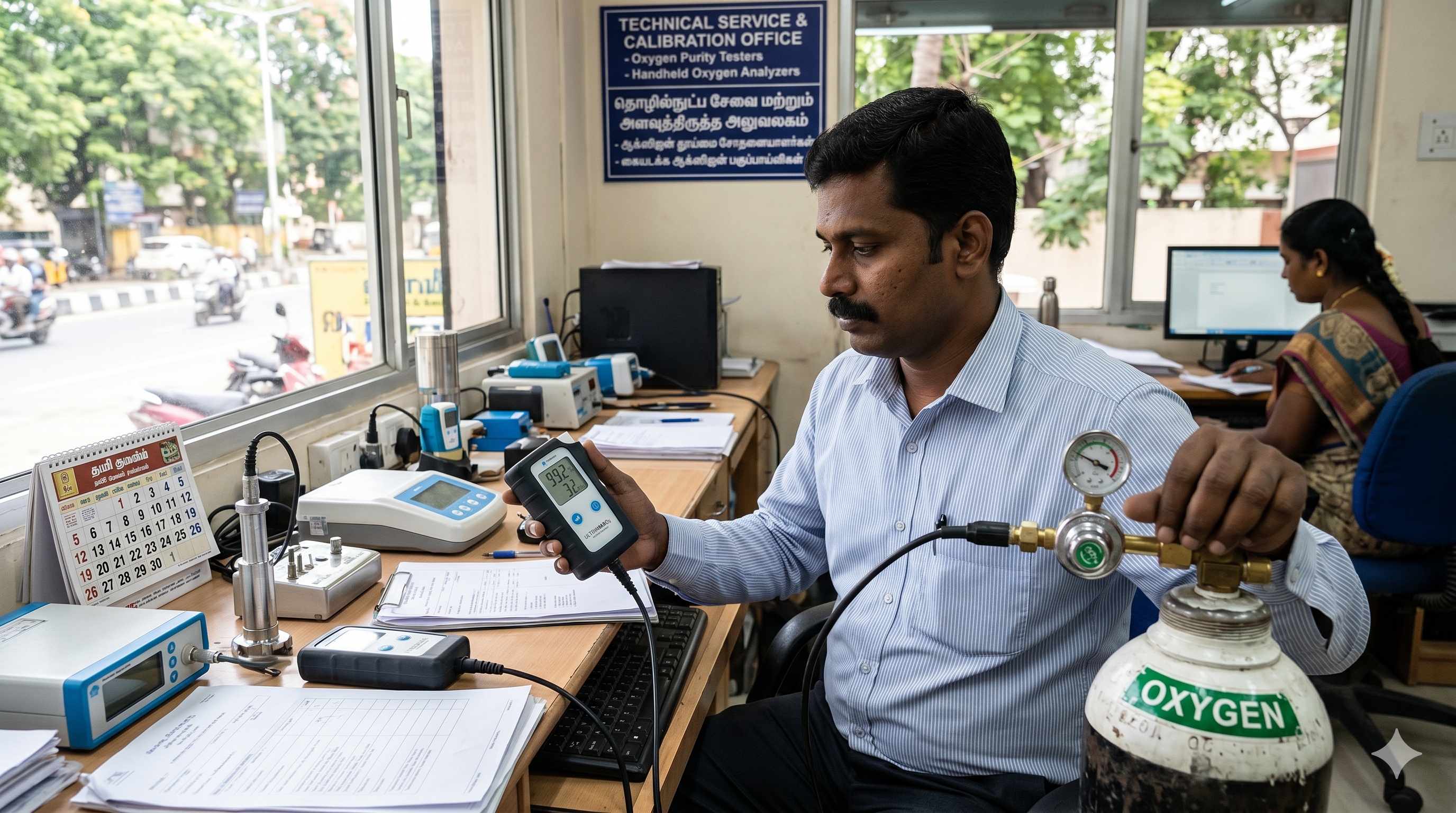
- Ultra-lightweight ergonomic design for one-handed operation.
- Rapid sensor response times with intuitive digital displays.
- Perfect for quick medical and localized welding gas checks.

- Continuous 24/7 process line measurement for industrial safety.
- Seamless integration directly into plant SCADA/DCS networks.
- Features automated relay alarms for immediate out-of-spec notification.
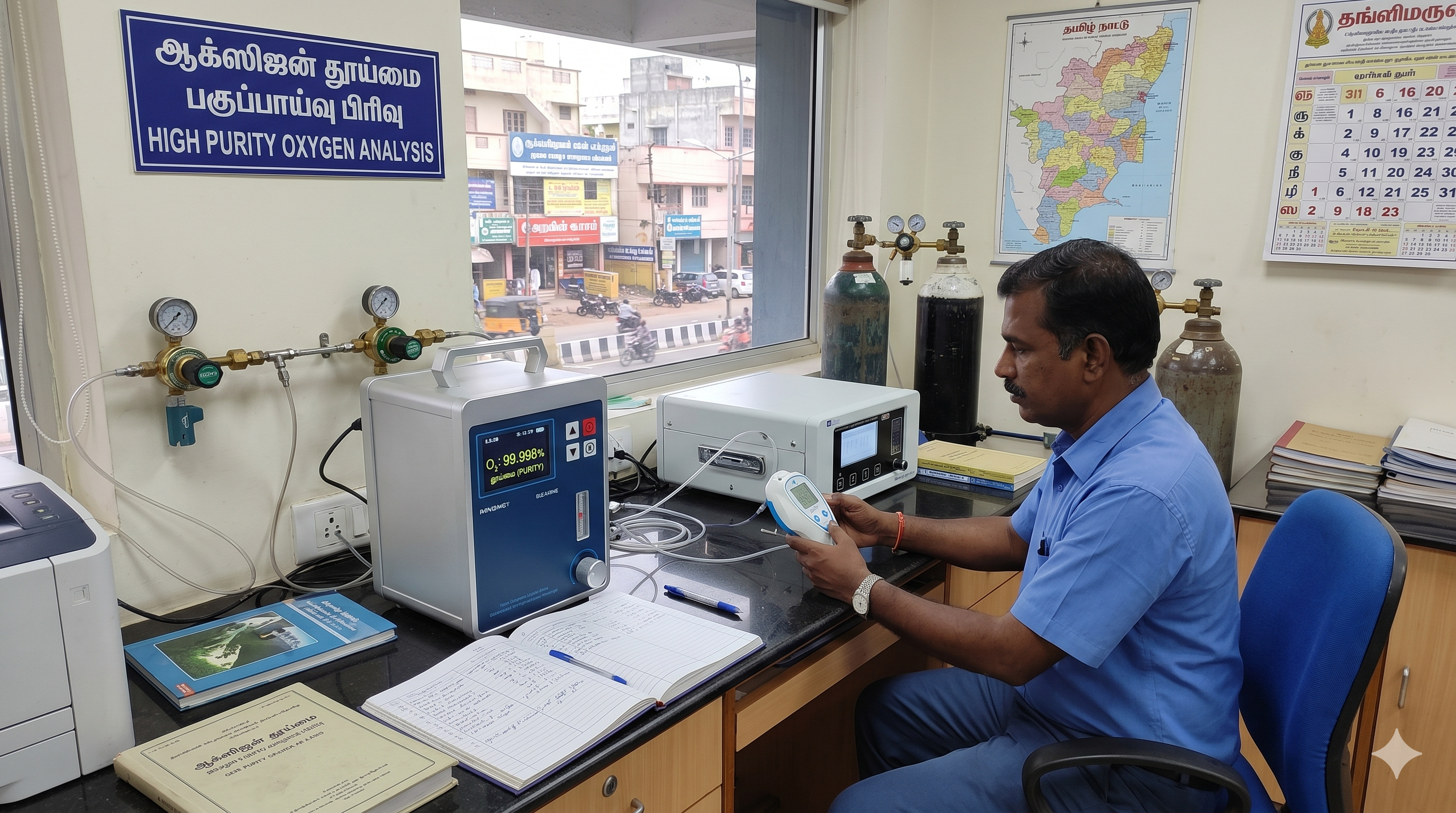
- Engineered to measure O2 concentrations reliably up to 100%.
- Critical for medical and aviation grade oxygen validation procedures.
- Delivers exceptionally high resolution utilizing non-depleting sensors.
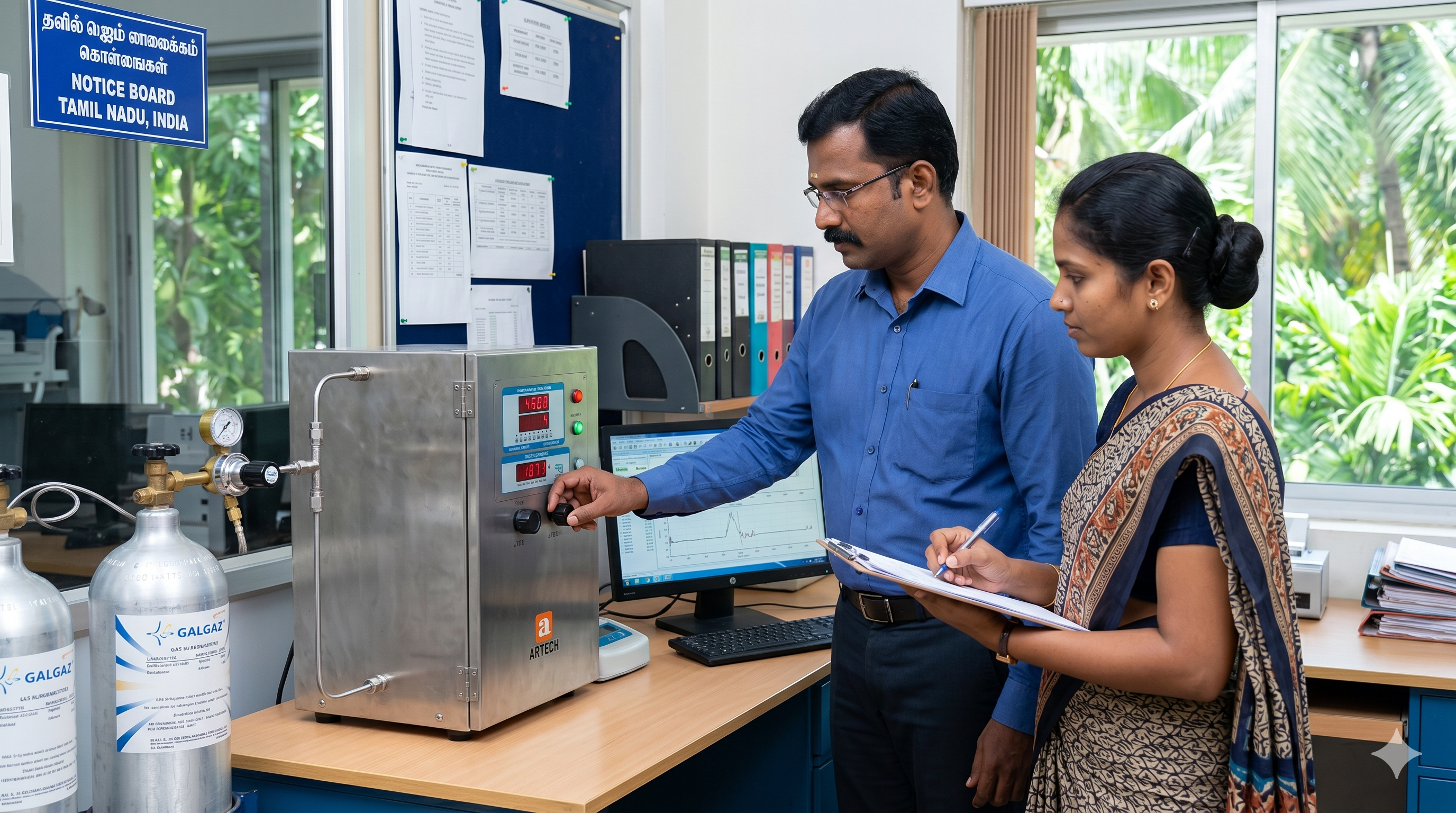
- Housed in rugged enclosures to survive severe factory environments.
- Crucial for monitoring and maximizing combustion and furnace efficiency.
- Sensors designed to resist damage from corrosive background gases.
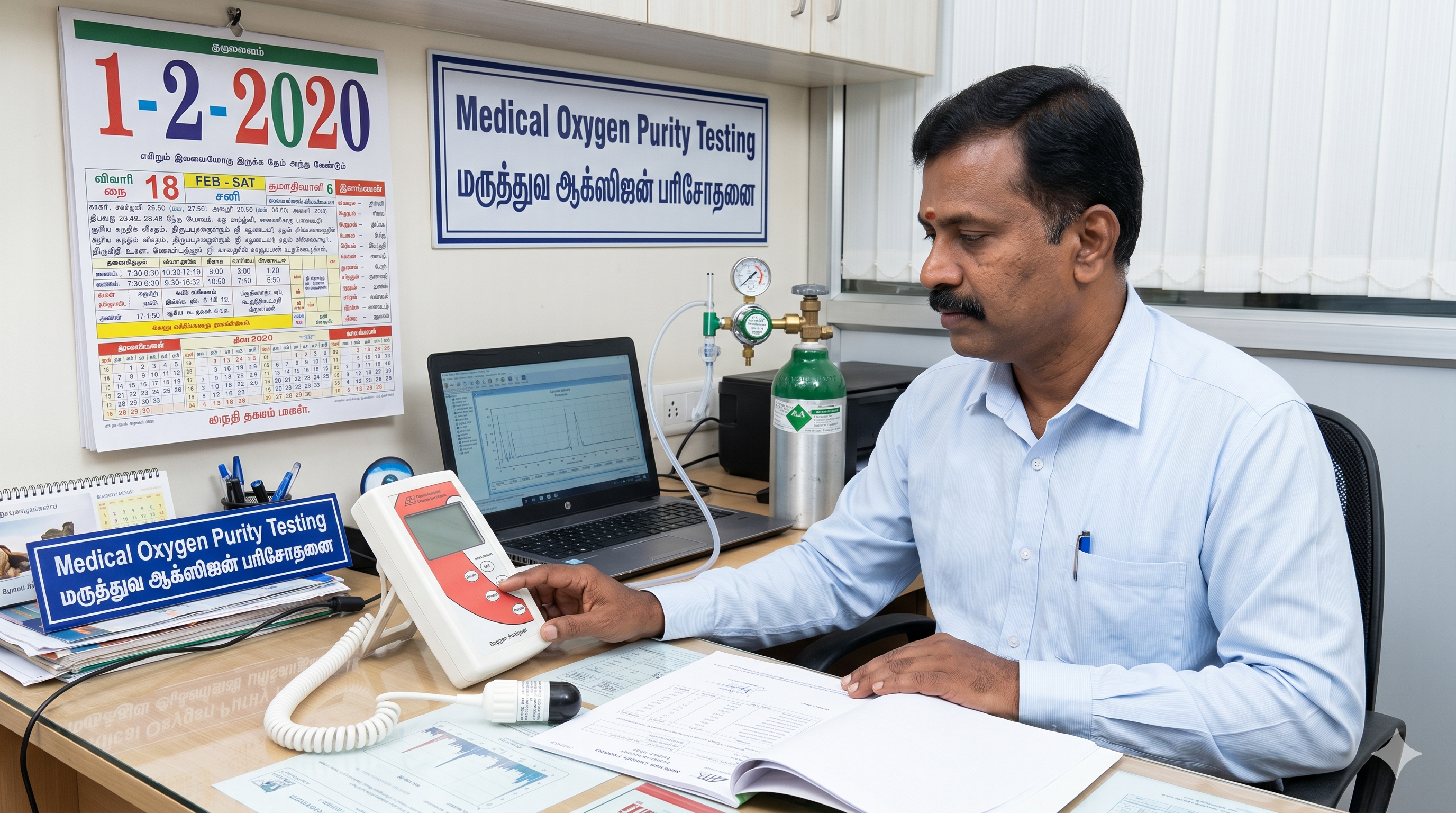
- Designed specifically for hospital pipelines and life-support ventilators.
- Validates precise 93% to 99% USP oxygen concentration thresholds.
- Features smooth, easily sanitized surfaces for sterile environments.
PSA, zirconia, electrochemical and process oxygen analyzer categories.
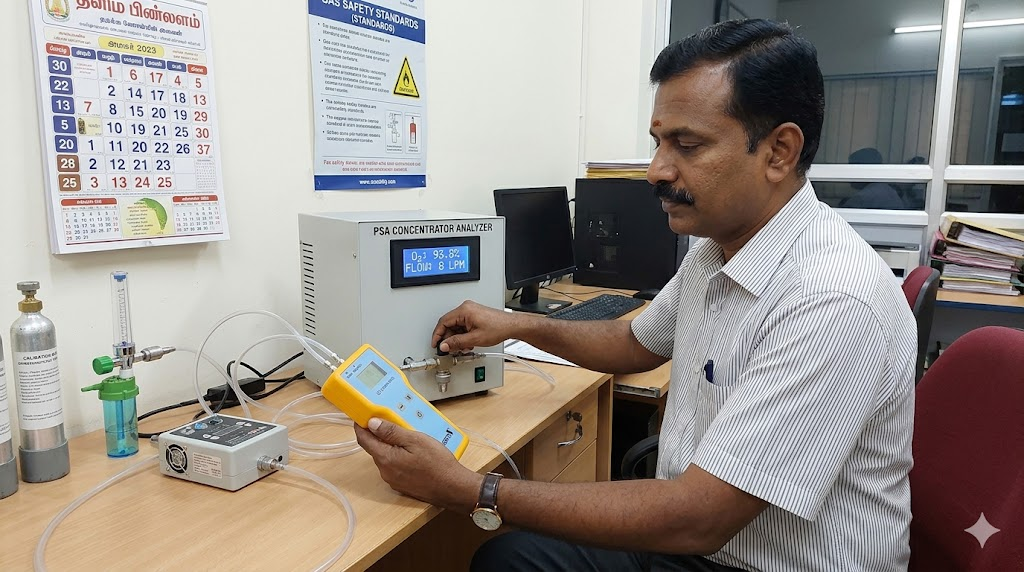
- Calibrated specifically for Pressure Swing Adsorption (PSA) plant outputs.
- Compensates dynamically for Argon background variations during generation.
- Essential for optimizing zeolite bed switching cycles and overall efficiency.
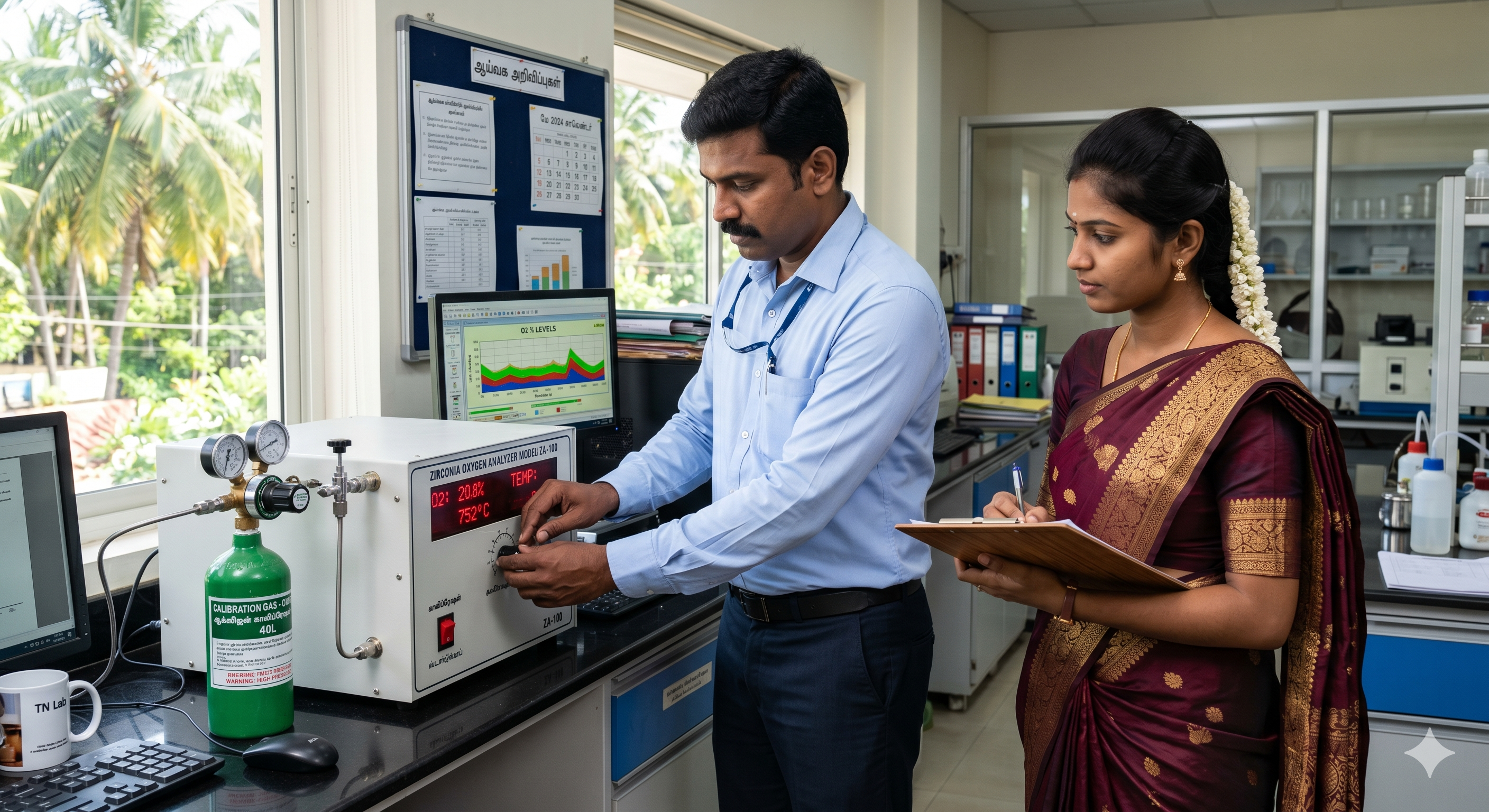
- Utilizes high-temperature zirconium oxide sensor technology.
- The gold standard for flue gas monitoring and boiler optimization.
- Delivers unmatched longevity and reliability in harsh heat conditions.
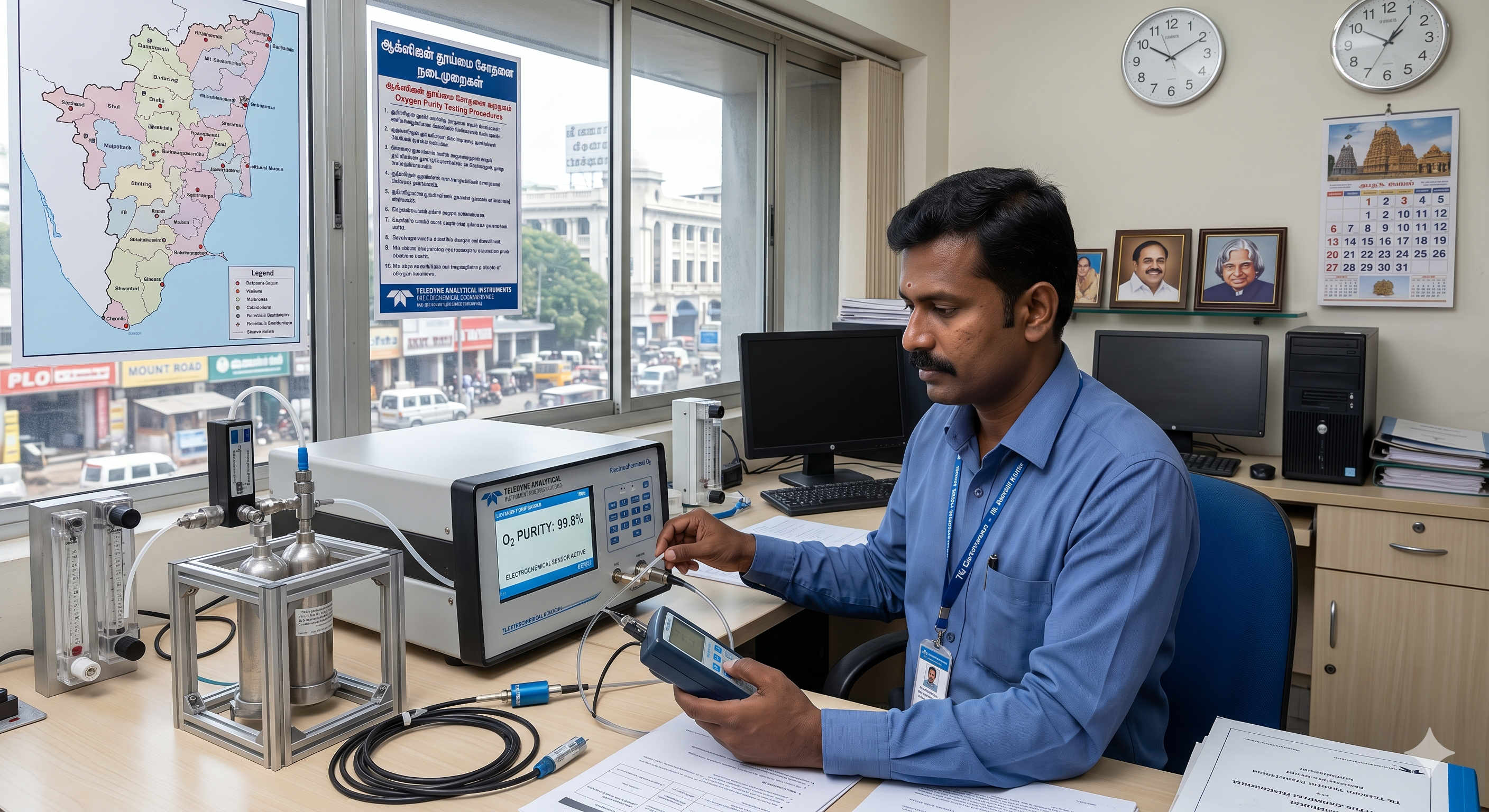
- Relies on highly cost-effective galvanic fuel cell technology.
- Excellent for standard ambient safety and mid-range process purity.
- Features straightforward, plug-and-play sensor replacement protocols.
Trace ppm analysis, laboratory systems, cylinder checks and IoT data logging solutions.
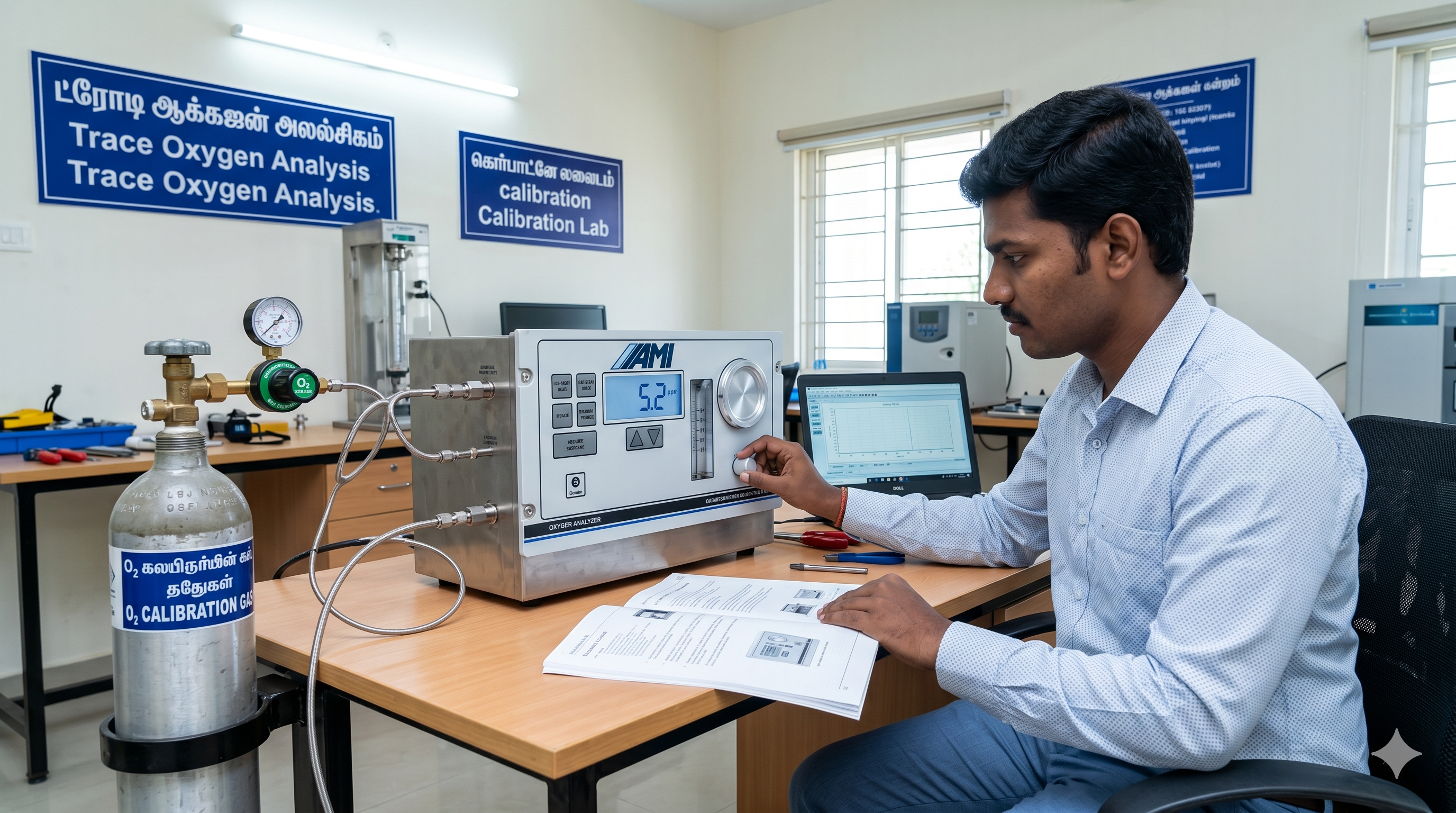
- Engineered to measure minute parts-per-million (ppm) oxygen levels.
- Crucial for semiconductor manufacturing and inert gas shielding.
- Ultra-sensitive detection to prevent oxidation in pure argon/nitrogen lines.
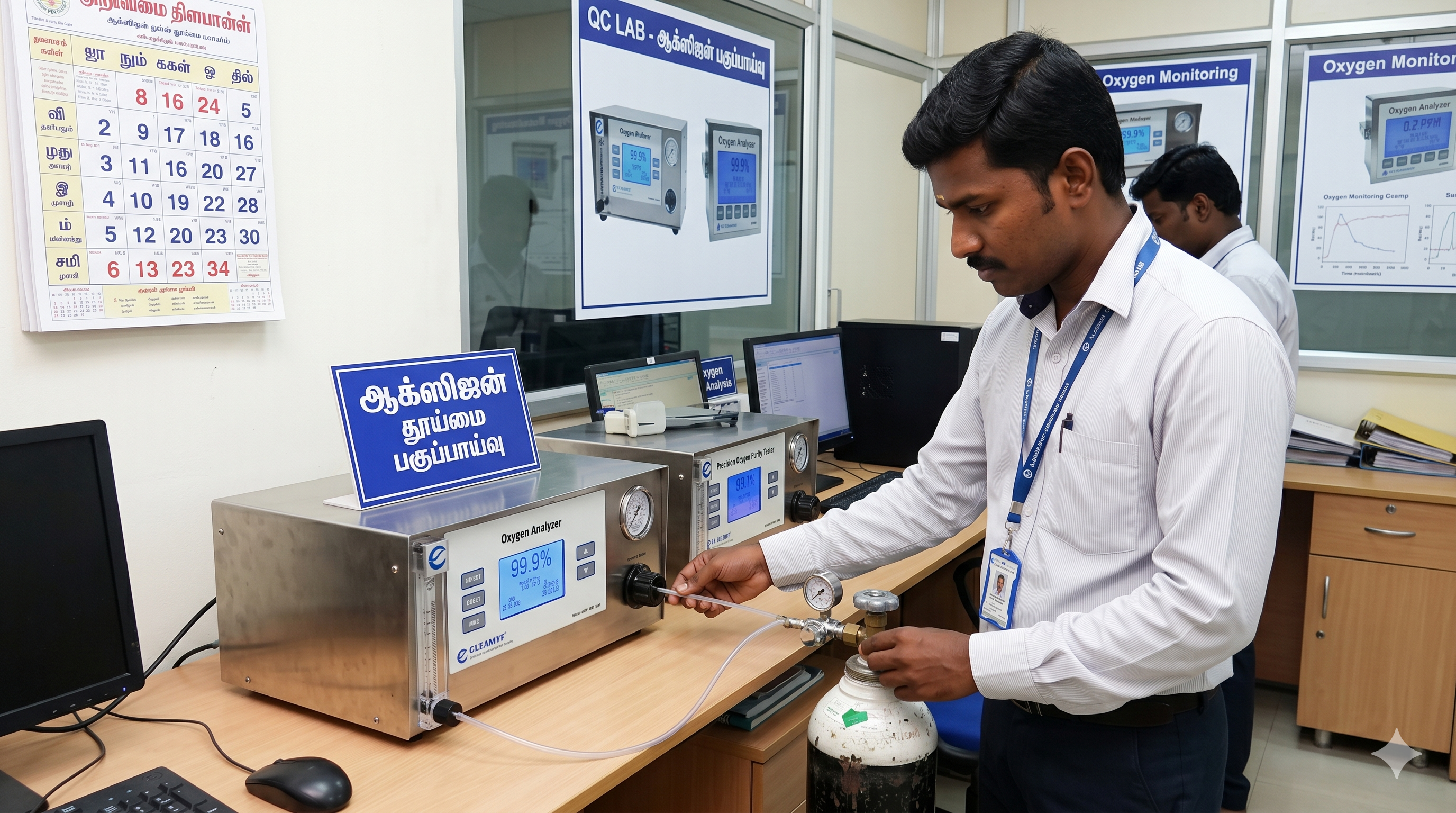
- High-fidelity benchtop units designed for precise R&D applications.
- Supports complex, multi-point calibration and validation routines.
- Frequently utilized for standardizing smaller, field-portable devices.
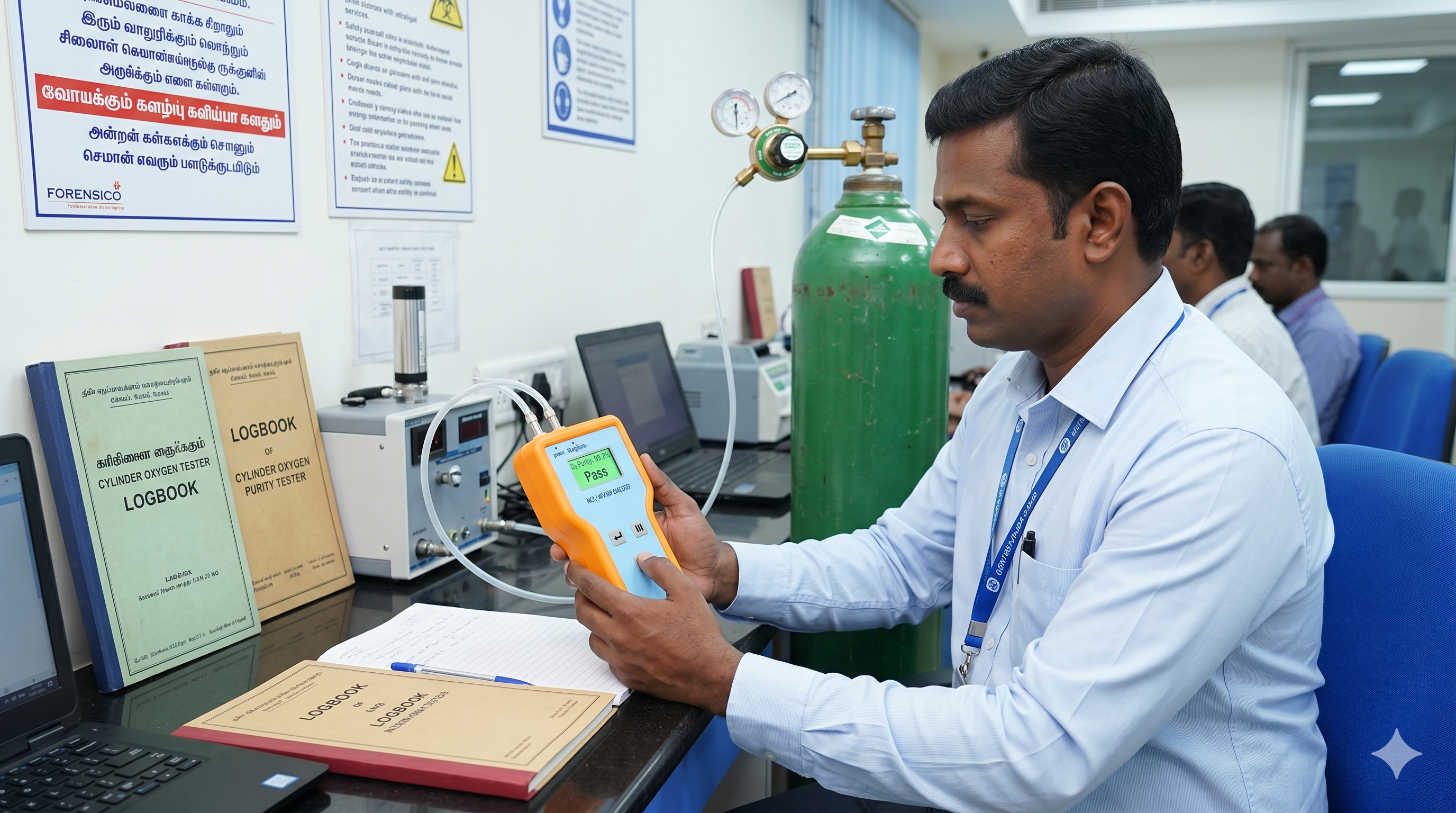
- Specifically adapted with specialized high-pressure gas regulators.
- Instantly verifies tank filling purity before dispatch and transport.
- Guarantees strict quality control and drastically reduces batch rejection.
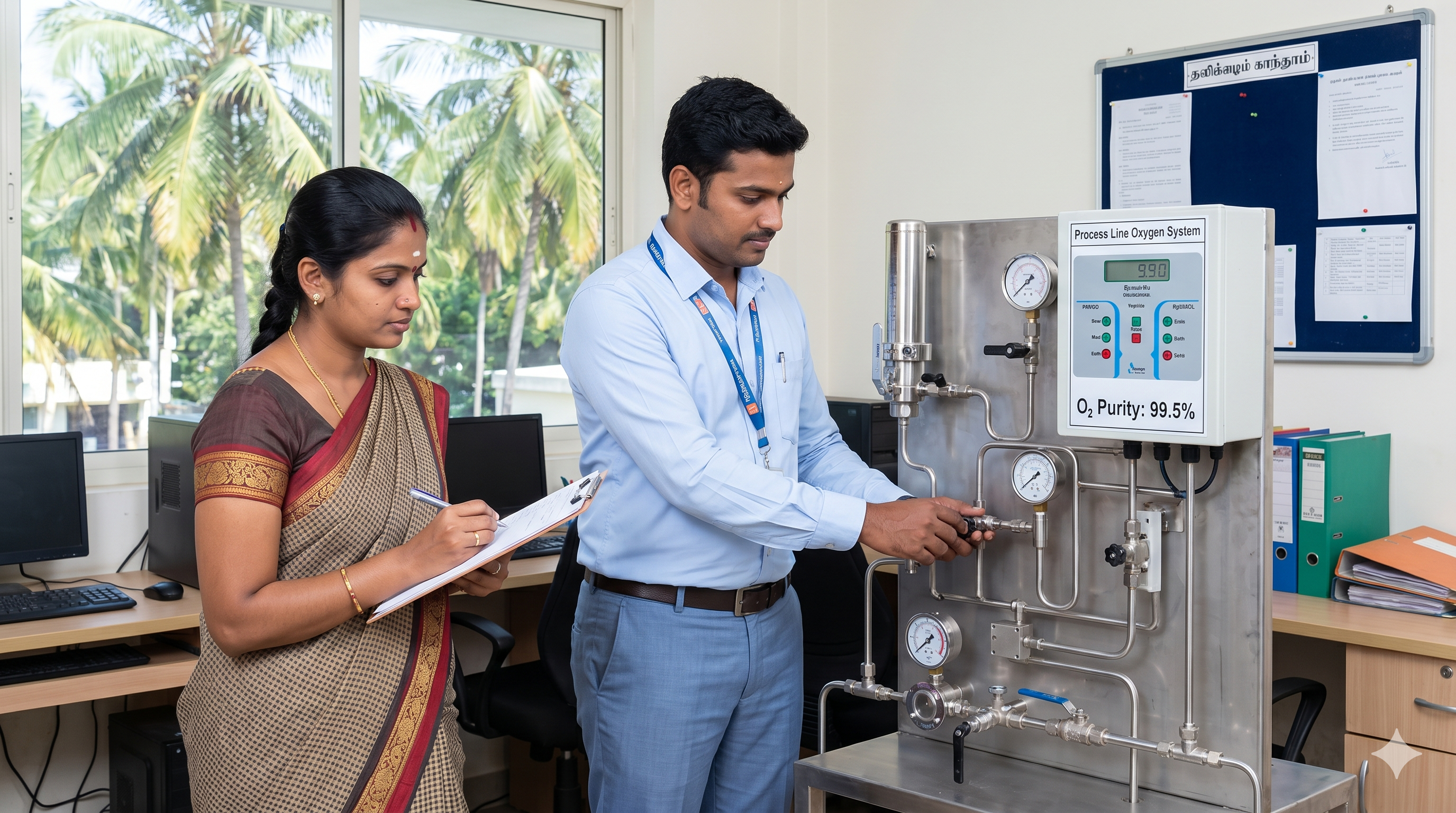
- Dedicated in-line sensor deployment for rapid process feedback.
- Directly interfaces with primary gas production streams and manifolds.
- Actively prevents off-spec gas from contaminating downstream networks.
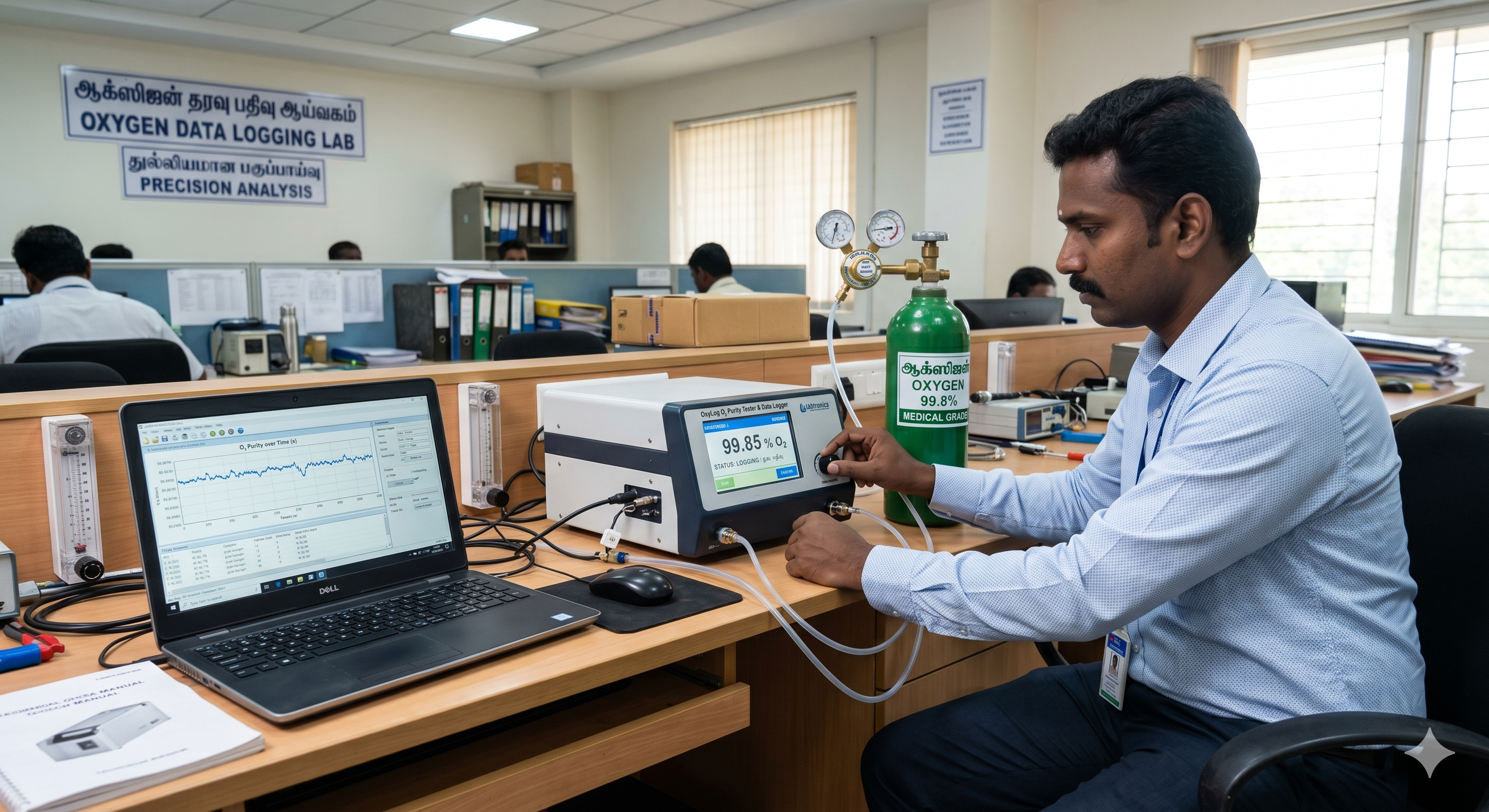
- Automatically stores historical purity trends locally on secure memory.
- Crucial for strict FDA, USP, and ISO regulatory compliance auditing.
- Generates precise, timestamped batch purity certificates for clients.

- Features cloud-connected telemetry via localized Wi-Fi or Cellular networks.
- Pushes remote dashboard alerts instantly for dropping purity levels.
- Effectively eliminates the need for error-prone manual clipboard logging.
Enterprise Oxygen Measurement Protocol
Accurate oxygen measurement is critical for medical safety, industrial process efficiency, and inert gas shielding. Selecting the correct sensor technology ensures reliable data collection under varying concentrations, background gases, and extreme temperatures.
Paramagnetic Sensor
Best For: High Purity & Medical ValidationUtilizes the unique magnetic susceptibility of oxygen molecules. Highly precise and entirely non-depleting, meaning the sensor lasts for years. Crucially, it is completely unaffected by background gases like Argon, making it the absolute standard for PSA plant and medical pipeline testing.
Electrochemical (Galvanic)
Best For: Trace PPM & Ambient SafetyA cost-effective fuel cell technology where oxygen creates a chemical reaction to produce a measurable electrical current. Extremely effective for measuring minute parts-per-million (trace) levels or standard safety ranges. The sensor depletes over time and acts as a consumable.
Zirconia Sensor
Best For: High-Temp Combustion & FluesUses high-temperature zirconium oxide ion conduction to determine the difference in oxygen concentration between a reference gas and the sample gas. It survives in extreme heat environments where other sensors would instantly fail, making it vital for boiler efficiency.
Optical / Fluorescence
Best For: Fast Response & Zero MaintenanceA modern, non-depleting technology that measures the quenching of fluorescence caused by oxygen. Offers incredibly fast response times and does not consume the oxygen sample, providing excellent stability without frequent recalibration.
TDLAS (Laser Absorption)
Best For: In-Situ Pipeline & High-MoistureTunable Diode Laser Absorption Spectroscopy transmits a specific wavelength laser beam directly through the process gas stream. It is highly selective to oxygen molecules and practically immune to cross-interference from dust, corrosive elements, or complex background gases.
Application & Technology Matrix
| Environment / Application | Recommended Technology | Key Selection Criteria |
|---|---|---|
| PSA Oxygen Concentrators | Paramagnetic or Optical | Must ignore Argon background gas to prevent false purity readings. |
| Semiconductor / Inert Gas | Electrochemical (Trace) | Requires extreme sensitivity to measure single-digit ppm O₂ levels. |
| Furnace / Stack Gas | Zirconia Oxide | Must physically survive operating temperatures exceeding 500°C+. |
| Medical Pipeline Verification | Paramagnetic | Requires strict FDA/USP compliance and non-depleting reliability. |
| Modified Atmosphere Packaging (MAP) | Optical / Fluorescence | Requires non-destructive testing, ultra-fast response, and minimal sample volume extraction. |
| Biogas & Landfill Gas | TDLAS | Must withstand extremely high moisture content and highly corrosive background gases (H₂S, CO₂). |
| Confined Space / Personnel Safety | Electrochemical | Needs to be compact, low-power for battery operation, and highly responsive to atmospheric drops. |
Advanced Operational Architecture
To maintain enterprise-grade accuracy and regulatory compliance, oxygen measurement systems must adhere to strict operational, maintenance, and integration protocols dictated by their underlying technology.
Calibration & Lifecycle
- Zero & Span Calibration: Requires periodic two-point calibration using certified oxygen-free gas (Zero) and reference gas (Span).
- Lifespan Profiling: Depleting cells require replacement every 12-24 months; non-depleting sensors (Zirconia, Paramagnetic) operate for 5-10+ years.
- Sample Conditioning (SCS): Essential maintenance of coalescing filters and particulate traps is required to protect the sensing element.
SCADA & Telemetry Integration
- Analog Outputs (4-20mA): The robust standard for transmitting continuous concentration data over long cable runs.
- Digital Protocols: Modbus RTU/TCP-IP enables transmission of critical sensor health diagnostics alongside purity data.
- Automated Safety Relays: Programmable dry contacts trigger instant alarms, shut down valves, or initiate nitrogen purge sequences.
Environmental Resilience
- Particulate Filtration: Heavy-duty sintered stainless steel filters prevent sensor fouling in flue and biogas environments.
- Moisture Removal: Peltier coolers or membrane dryers must drop the dew point to prevent liquid water damage.
- Corrosive Gas Scrubbing: Specialized chemical scrubbers are deployed to protect sensors from high H₂S or SO₂ concentrations.
Managing Cross-Sensitivity
- Paramagnetic Immunity: Inherently resistant to cross-sensitivity, providing reliable readings in complex mixtures.
- Electrochemical Vulnerabilities: Specific acid-tolerant cell chemistry must be specified to prevent poisoning by CO₂ or solvents.
- Zirconia Limitations: Unburned combustibles in a furnace will burn on the hot sensor surface, causing falsely depressed O₂ readings.
Total Cost of Ownership (TCO)
- CAPEX vs. OPEX: Paramagnetic analyzers bear a higher initial cost but yield a lower TCO by eliminating consumable replacements.
- Calibration Gas Costs: Highly stable advanced sensors reduce the frequency of multi-point calibrations, saving on certified gas.
- Downtime Mitigation: Dual-redundant architectures prevent costly operational halts in critical medical or semiconductor applications.