Main Directory

 Sensors.png)


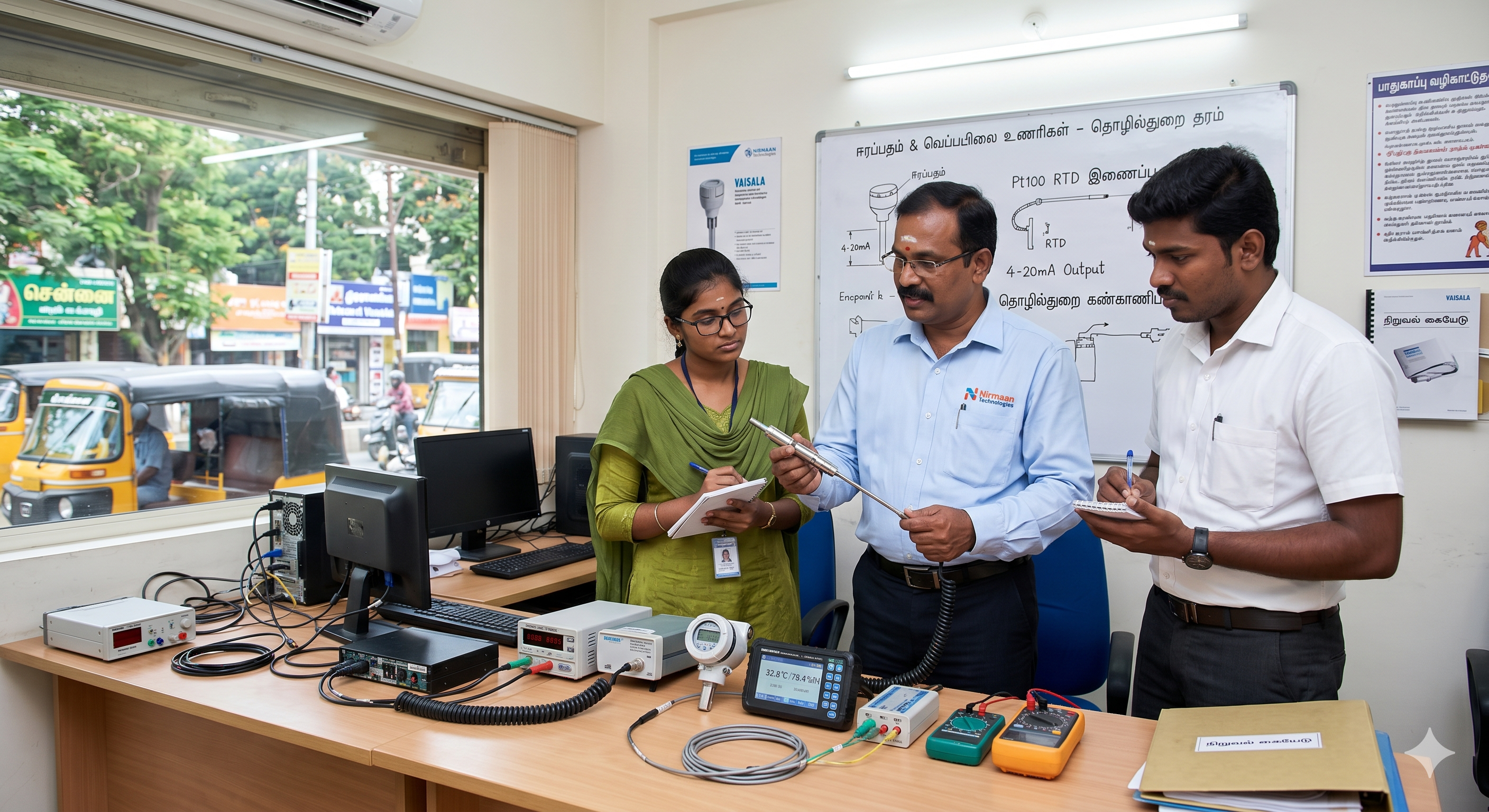
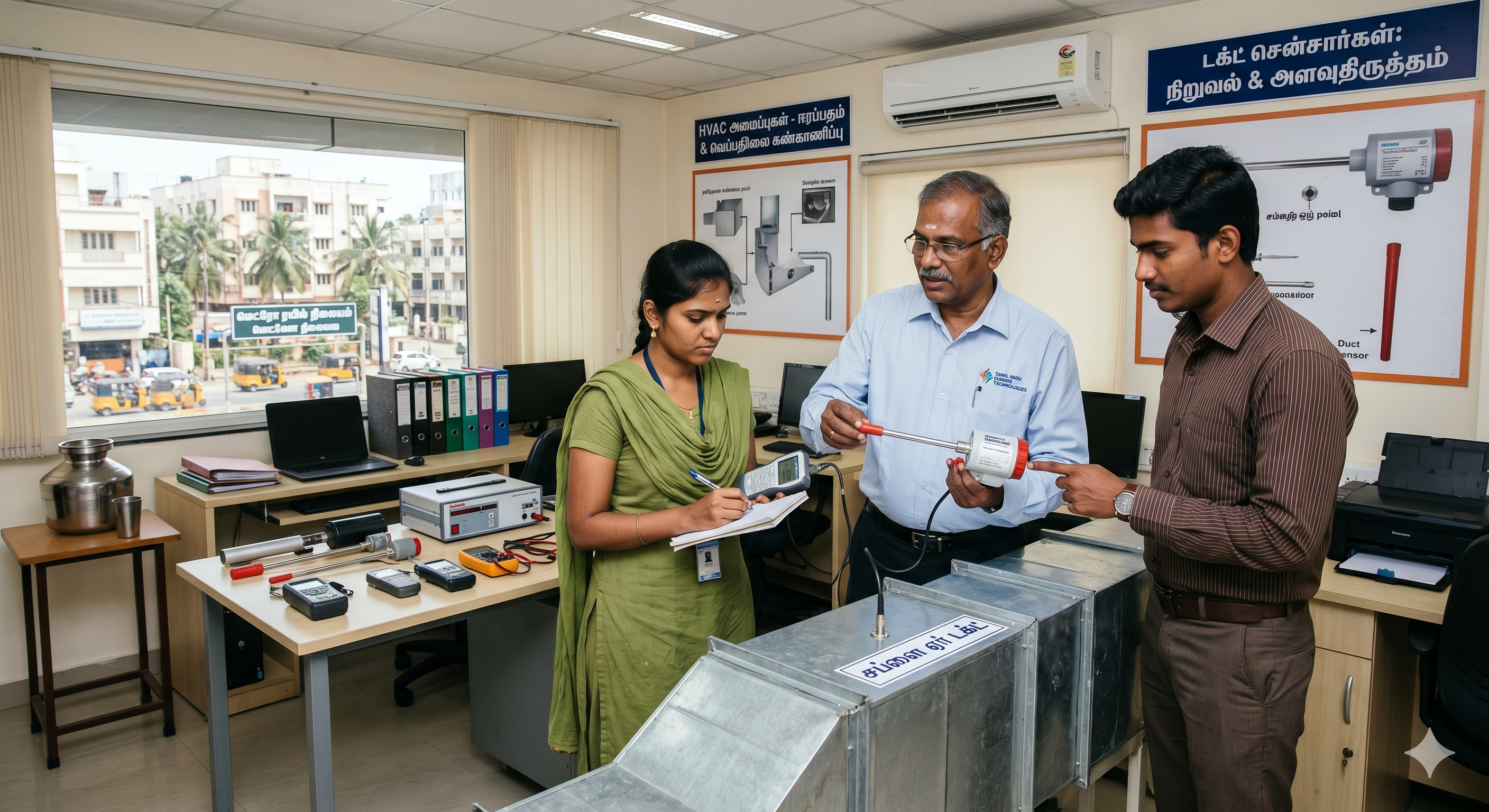

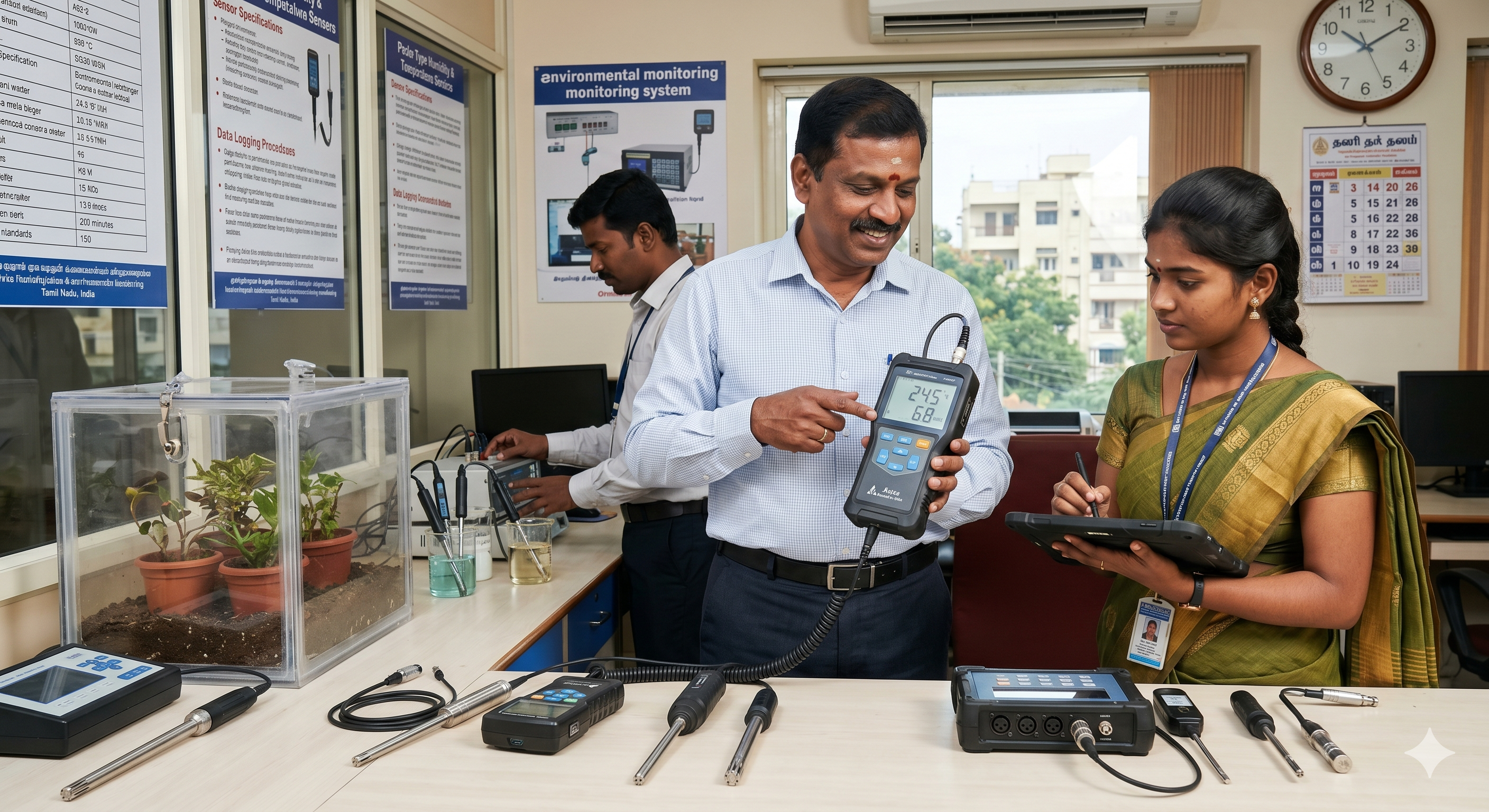
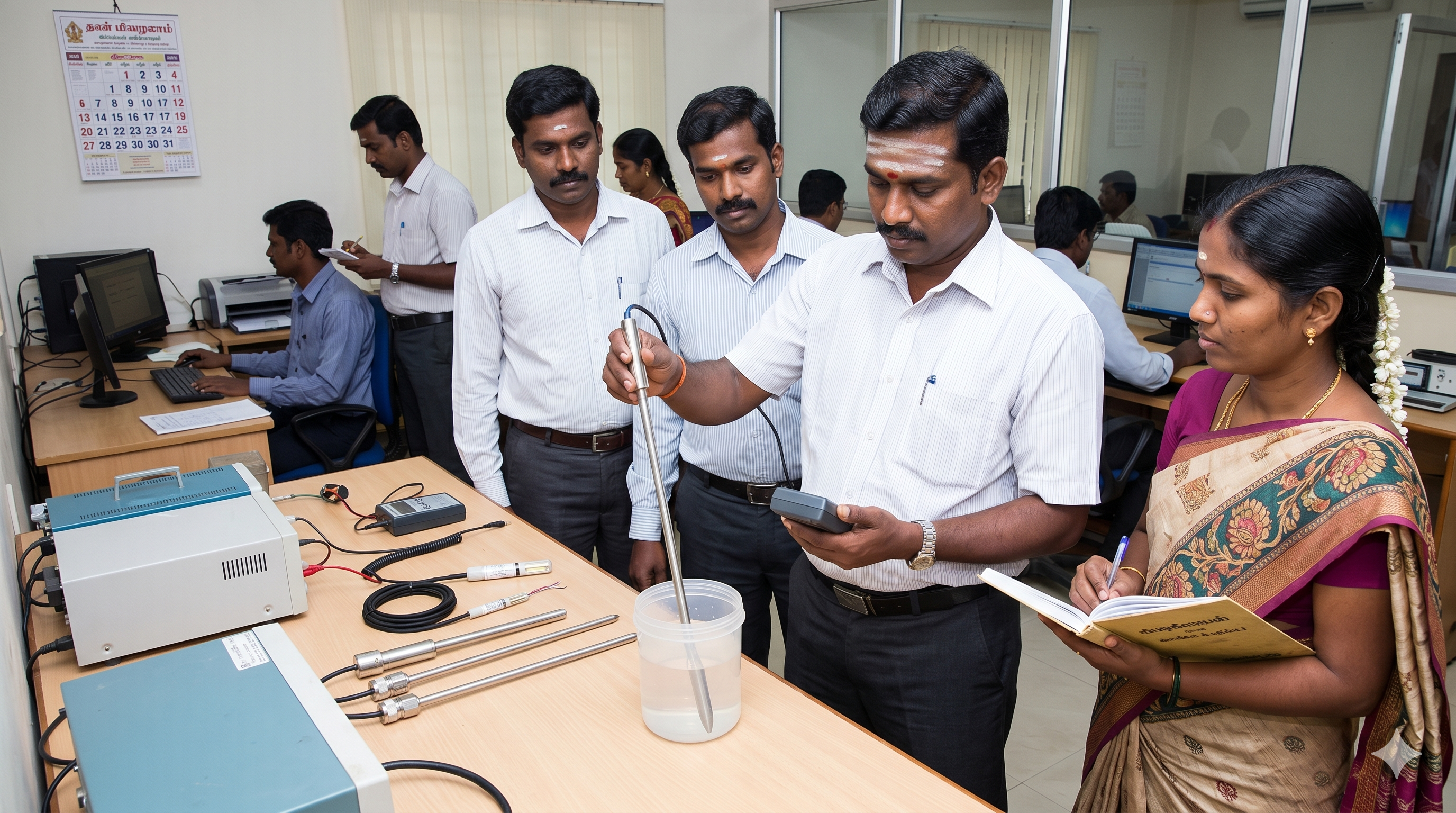




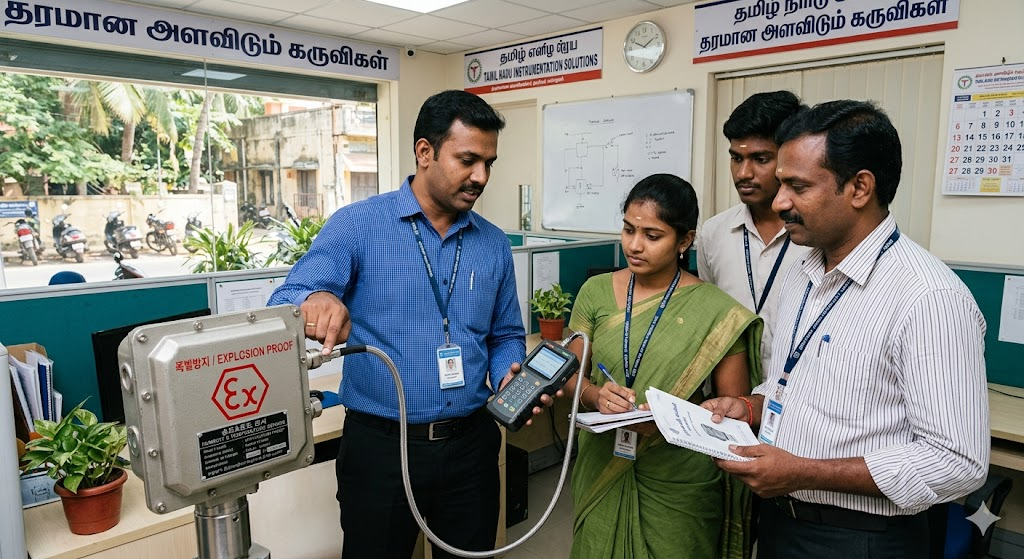

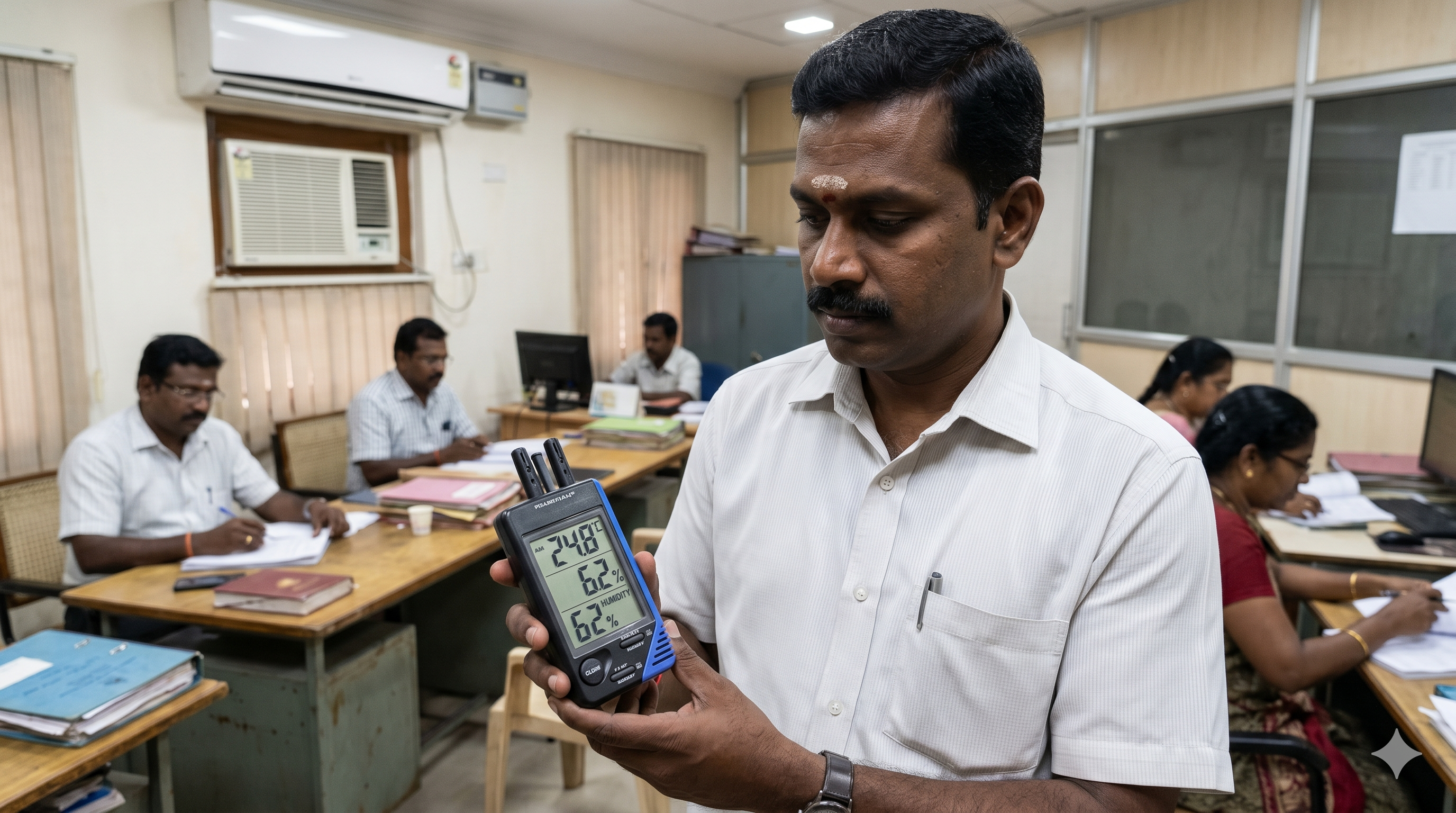
Humidity & Temperature Sensors
Engineered for real-time monitoring and data logging of Relative Humidity (RH) and Temperature to ensure strict climate control, process stability, and product integrity across diverse environments.
Widely Used By
HVAC Engineers Pharma & Cleanroom Operators Server Farm Managers Food & Beverage QC Agronomy Facilities
Key Purposes
Dew Point Calculation Thermal Mapping & Validation Environmental Compliance Drying Process Control Cold Chain Storage Stability
👆 Single Tap: Scroll | Double Tap: Open
Digital Temp & Humidity Sensors
- Provides direct I2C, SPI, and Modbus outputs for seamless system integration.
- Ensures fully digitized, noise-immune signal transmission over long distances.
- Ideal for complex building automation and smart environmental networks.
View Catalog
Analog Temp & Humidity Sensors
- Delivers standard 4-20mA or 0-10V analog process signals.
- Highly compatible with legacy Programmable Logic Controllers (PLCs).
- Robust performance for straightforward, localized monitoring tasks.
View Catalog
Combined (RH + Temp) Sensors
- Integrates both temperature and relative humidity measurement in one housing.
- Reduces installation time, wiring complexity, and overall system footprint.
- Essential for accurate dew point calculation and comprehensive climate control.
View Catalog
Room / Indoor Sensors
- Designed with sleek, aesthetic enclosures for commercial and office spaces.
- Provides vital data for optimizing HVAC systems and indoor air quality (IAQ).
- Includes vented housings to ensure accurate ambient air sampling.
View Catalog
Outdoor / Weatherproof Sensors
- Features IP65+ rated enclosures to protect against rain and severe weather.
- Equipped with radiation shields to prevent solar heating measurement errors.
- Crucial for meteorological stations, agricultural monitoring, and building exteriors.
View Catalog
Industrial Grade Sensors
- Built with heavy-duty metal or rugged polycarbonate enclosures for factory floors.
- Resistant to high vibrations, dust ingress, and chemical exposure.
- Maintains calibration in extreme industrial processes and manufacturing environments.
View Catalog
HVAC Duct Sensors
- Features long insertion probes designed to penetrate directly into airflow channels.
- Essential for monitoring supply and return air conditions in complex HVAC systems.
- Ensures energy-efficient climate control across large commercial facilities.
View Catalog
Wall Mount Sensors
- Engineered for easy surface installation in laboratories, server rooms, and warehouses.
- Provides continuous ambient climate tracking without protruding into workspaces.
- Often includes local digital displays for immediate visual status checks.
View Catalog
Probe Type Sensors
- Equipped with extended, rigid wands for deep insertion into materials or tight spaces.
- Ideal for measuring humidity within soil, grain silos, or stacked industrial materials.
- Allows electronics to remain outside harsh zones while the sensor penetrates the target.
View Catalog
Immersion Temperature Sensors
- Designed to be fully submerged directly into liquid tanks or pipe flows.
- Provides rapid and highly accurate thermal readings of fluids and coolants.
- Often utilized with thermowells to allow replacement without draining the system.
View Catalog
Surface Mount Temperature Sensors
- Engineered for direct physical contact measurement on pipes, plates, or machinery.
- Non-intrusive design eliminates the need for drilling or penetrating closed systems.
- Critical for monitoring heat exchangers, solar panels, and industrial motor casings.
View Catalog
Wireless / IoT Sensors
- Transmits telemetry data via modern LoRaWAN, Wi-Fi, or Zigbee networks.
- Eliminates expensive wiring costs across large facilities or remote agricultural sites.
- Enables centralized cloud monitoring and automated mobile alerts for out-of-spec conditions.
View Catalog
Data Logging Sensors
- Features onboard memory for autonomous, continuous environmental recording.
- Essential for tracking thermal compliance during cold-chain transport and storage.
- Provides unalterable historical data logs required for strict FDA or ISO audits.
View Catalog
High Accuracy / Calibration Grade
- Provides exceptional, reference-grade precision with ultra-low drift over time.
- Utilized primarily in metrology labs, calibration facilities, and critical R&D testing.
- Supplied with strict, traceable ISO/NIST certification documents.
View Catalog
Explosion Proof Sensors
- Strictly ATEX and IECEx certified for operation in highly hazardous, combustible zones.
- Features intrinsically safe circuitry and heavy cast enclosures to contain any potential sparks.
- Mandatory for oil refineries, chemical plants, and underground mining operations.
View Catalog
OEM / Transmitter-Based Sensors
- Supplied as bare modules or customizable boards for deep machine integration.
- Designed specifically for equipment manufacturers building their own specialized climate systems.
- Offers high flexibility in form factor, communication protocols, and probe configurations.
View Catalog
Enterprise Thermal & Moisture Protocol
Understanding the core operating principles of temperature and humidity measurement ensures proper instrument selection for specific environmental conditions, avoiding drift, sensor poisoning, or catastrophic process failures.
Capacitive RH Sensors
Best For: General Purpose & Wide RangeUtilizes a dielectric polymer layer whose capacitance changes with relative humidity. Offers excellent long-term stability, wide measurement range (0-100% RH), and resistance to condensation.
Resistive RH Sensors
Best For: Cost-Effective High HumidityMeasures the electrical impedance change of a hygroscopic medium. Highly sensitive at high humidity levels but generally less accurate below 20% RH compared to capacitive types.
RTD (Pt100 / Pt1000)
Best For: High Accuracy TemperatureResistance Temperature Detectors use platinum elements that change resistance linearly with temperature. The gold standard for precision, stability, and repeatability over wide ranges (-200°C to +600°C).
Thermistors (NTC/PTC)
Best For: High Sensitivity in Narrow RangesCeramic/polymer semiconductors offering massive resistance changes for small temperature shifts. Ideal for medical, HVAC, and tight-tolerance ambient room monitoring.
Output & Integration Standards
| Signal / Output Type | Transmission Distance | Immunity to Noise | Primary Application |
|---|---|---|---|
| Analog (4-20mA) | Long (Up to 1000m) | High | Industrial PLC, SCADA, Heavy Machinery |
| Analog (0-10V) | Short (< 15m) | Low | HVAC controllers, localized room monitoring |
| Digital (Modbus RTU / RS-485) | Long (Up to 1200m) | Very High | Daisy-chaining multiple sensors in building automation |
| IoT (LoRaWAN / Wi-Fi) | Wireless (Varies) | N/A (Digital) | Remote cold chain, warehouse mapping, smart agriculture |