Precision Gas Detection Solutions
Engineered to detect, measure, and analyze hazardous atmospheres including combustible gases, toxic compounds, asphyxiants, and volatile organic compounds (VOCs) across harsh industrial environments.
Widely Used By
Oil & Gas Refineries Chemical Processing Mining Operations Fire & Hazmat Teams Wastewater Treatment
Key Purposes
LEL Combustible Monitoring Toxic Gas Alerting Confined Space Entry Fugitive Emission Tracking Worker Safety Compliance
Single Tap to Scroll • Double Tap to Open Catalog
Core Gas Detection Systems
Portable, fixed, single-gas, and multi-gas solutions for complete workplace safety coverage.

Portable Gas Detectors
- Rugged, handheld units designed for on-the-go industrial safety.
- Essential for spot-checking localized hazardous environments.
- Available in both diffusion and motorized-pump sampling models.
- Equipped with high-visibility screens and robust data logging.
Access Catalog
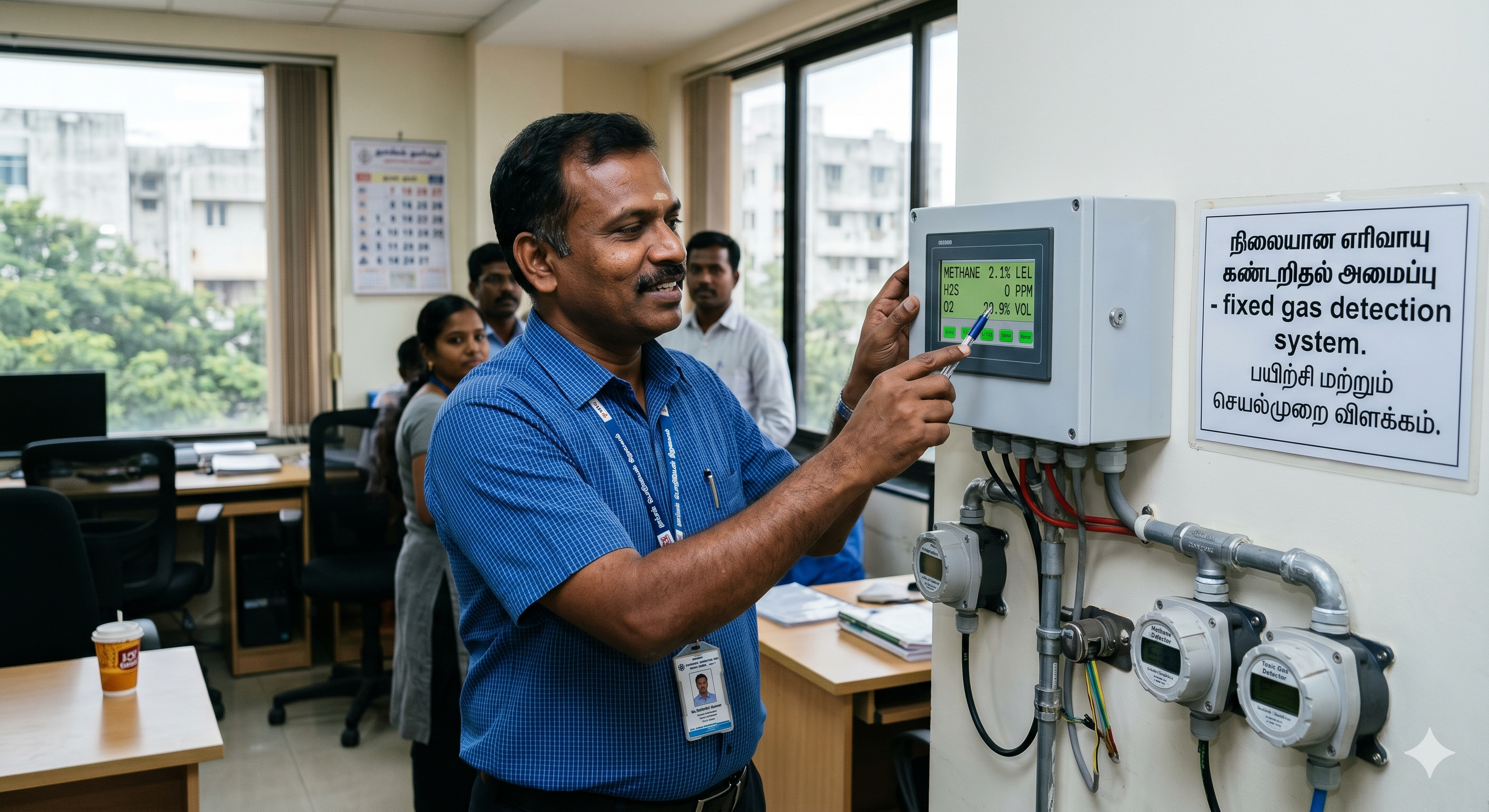
Fixed Gas Detection Systems
- Permanent 24/7 installations for continuous facility monitoring.
- Integrates directly with SCADA and emergency ventilation systems.
- Robust wall-mounted enclosures with built-in relay outputs.
- Triggers automated facility-wide alarms and evacuation protocols.
Access Catalog

Single Gas Detectors
- Ultra-compact monitors dedicated to detecting one specific target gas.
- Highly cost-effective solution for targeted hazard zones (e.g., H2S only).
- Features maintenance-free options with 2-year continuous run times.
- Loud audible, visual, and vibrating alarms for immediate danger alerts.
Access Catalog
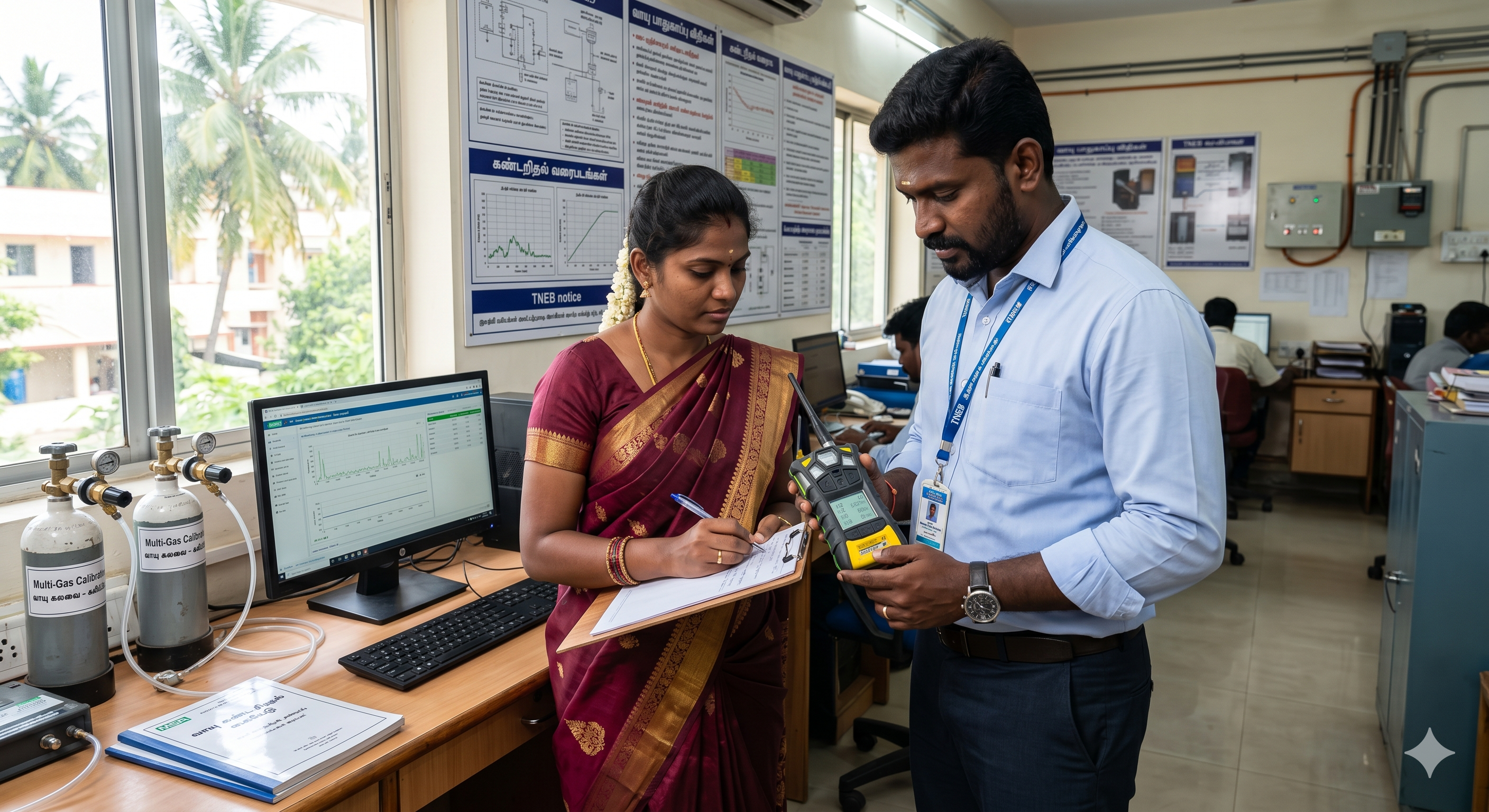
Multi-Gas Detectors
- Simultaneously monitors up to 6 distinct gases in a single device.
- Standard configurations include LEL, O2, CO, and H2S.
- Interchangeable smart-sensor technology for versatile plant safety.
- Crucial for comprehensive safety audits and hazmat response teams.
Access Catalog
Gas Hazard & Sensor Categories
Targeted detectors for toxic gases, combustibles, oxygen levels, CO/CO₂, and volatile organic compounds.

Toxic Gas Detectors
- Specialized electrochemical cells for tracking parts-per-million (ppm) toxicity.
- Detects lethal compounds like Ammonia, Chlorine, and Sulfur Dioxide.
- Essential for protecting workers in chemical processing and wastewater.
- Logs TWA (Time Weighted Average) and STEL (Short Term Exposure Limit).
Access Catalog
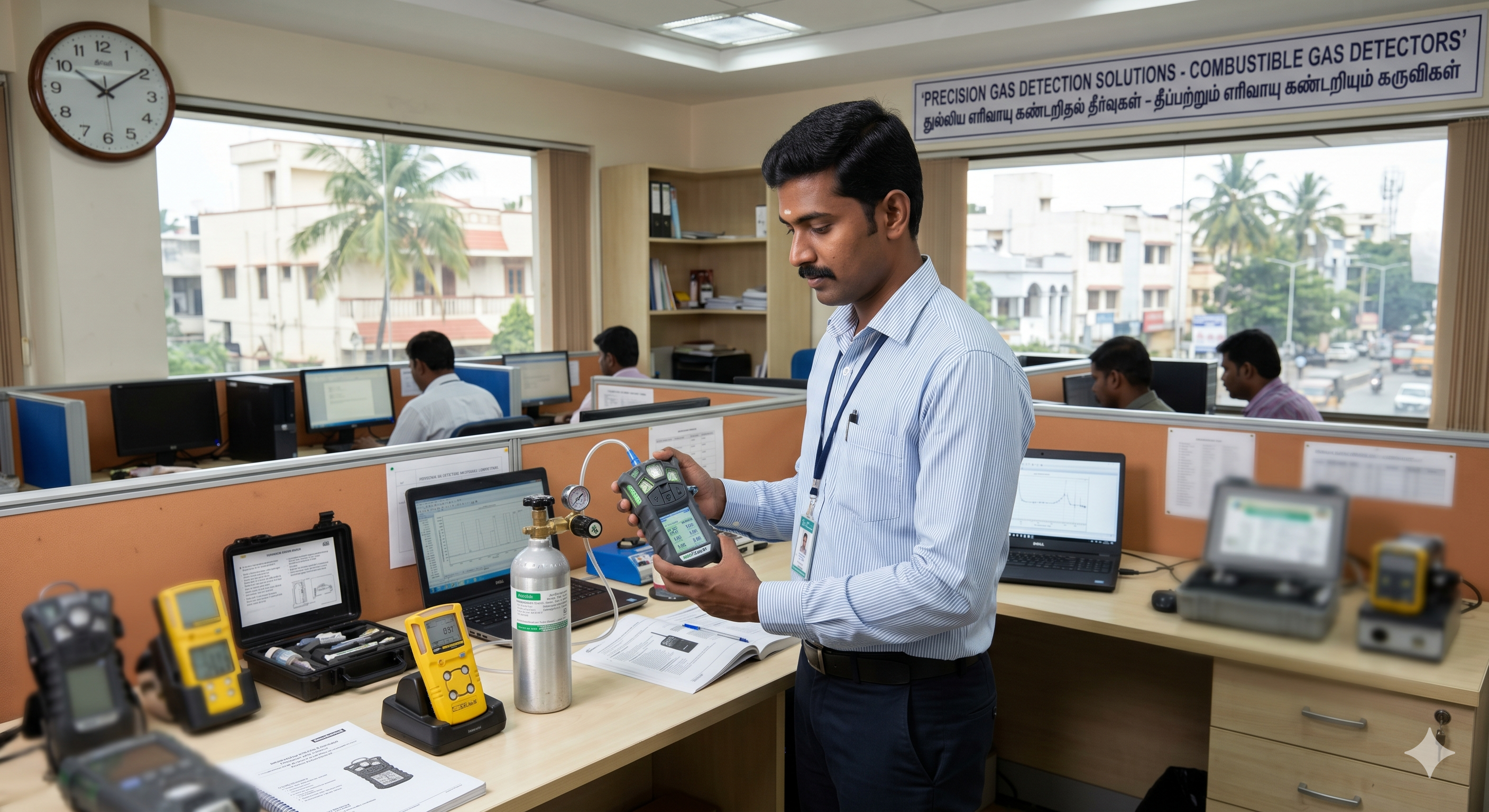
Combustible Gas Detectors
- Monitors the Lower Explosive Limit (LEL) of flammable gases and vapors.
- Utilizes catalytic bead or advanced infrared (IR) sensor technology.
- Prevents catastrophic explosions in refineries and natural gas pipelines.
- Detects Methane, Propane, Hexane, and Hydrogen leaks instantly.
Access Catalog
 Gas Detectors.png)
Oxygen (O₂) Gas Detectors
- Monitors ambient oxygen levels to prevent asphyxiation hazards.
- Dual-alarm thresholds for both O2 depletion (<19.5%) and enrichment (>23.5%).
- Critical for underground mining, confined spaces, and cryogenic facilities.
- Utilizes long-life, lead-free galvanic or optical sensor technology.
Access Catalog
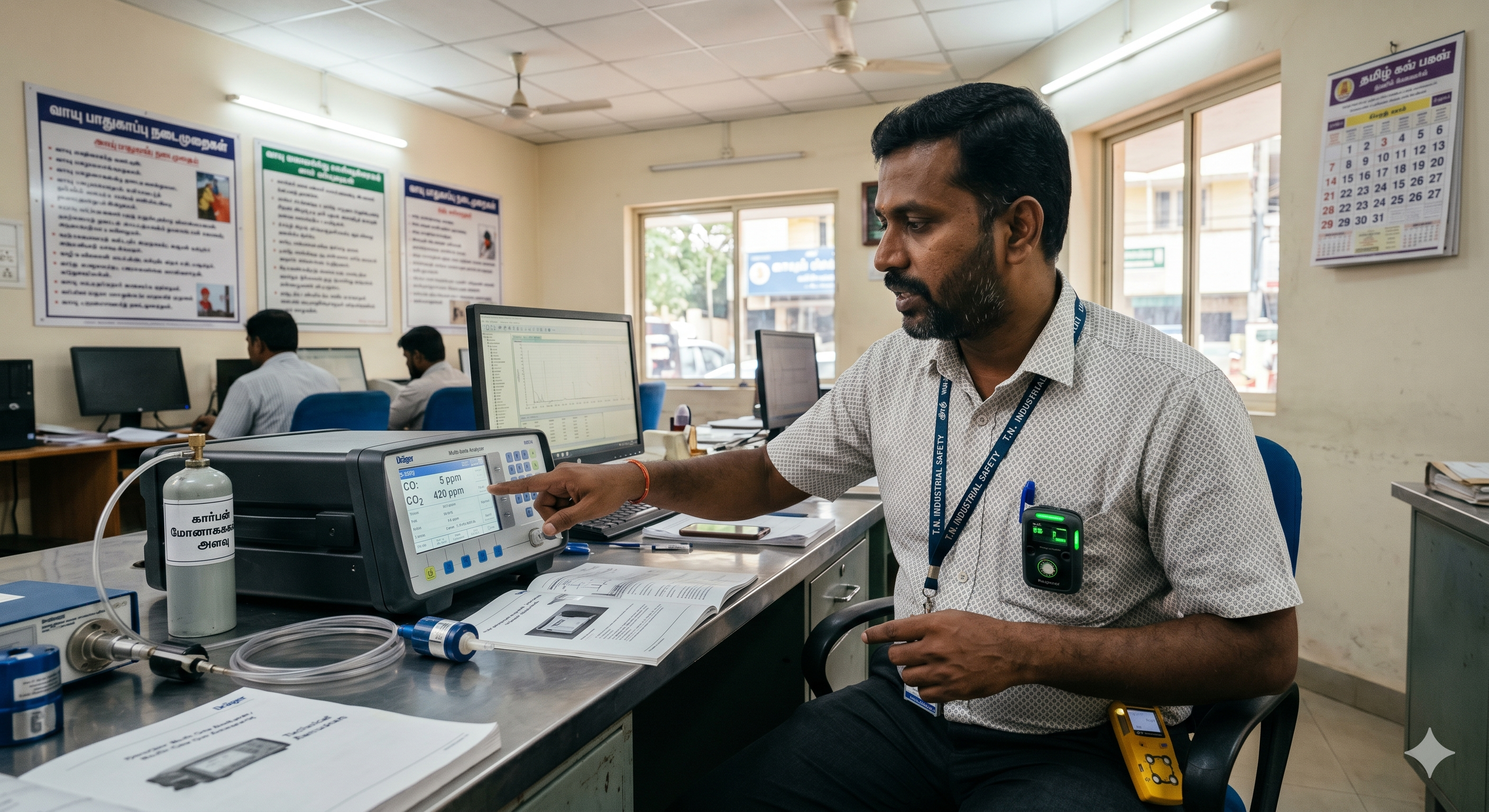
CO, CO₂ Gas Detectors
- NDIR technology for precise, drift-free Carbon Dioxide (CO2) measurements.
- Electrochemical tracking of the silent killer, Carbon Monoxide (CO).
- Mandatory safety equipment for boiler rooms, parking garages, and breweries.
- Enables automated exhaust fan triggers to maintain safe air quality.
Access Catalog

VOC Gas Detectors
- Photoionization Detectors (PID) for broad-spectrum Volatile Organic Compounds.
- Highly sensitive, capable of detecting microscopic parts-per-billion (ppb) leaks.
- Essential for tracing invisible, odorless chemical vapors and solvents.
- Used extensively in paint booths, hazmat response, and soil remediation.
Access Catalog
Industrial Safety & Application-Based Detection
Specialized systems for leak detection, explosion-proof areas, confined spaces, wireless monitoring, and personal protection.
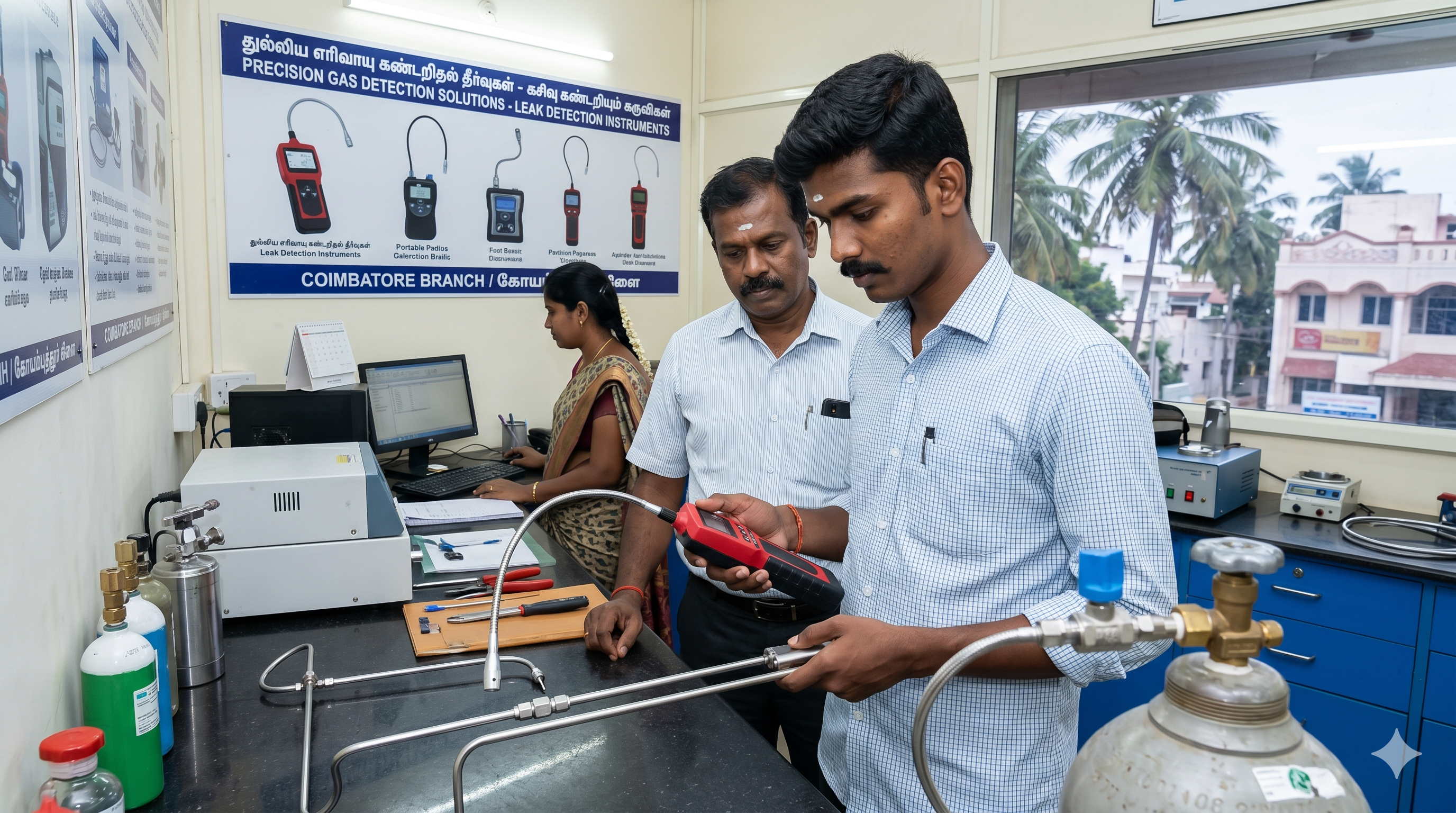
Leak Detection Instruments
- Pinpoints microscopic pipeline, valve, and flange leaks instantly.
- Utilizes acoustic, ultrasonic, and highly sensitive sniffing sensor probes.
- Highly effective for finding escaping refrigerants, helium, and combustibles.
- Prevents catastrophic failures and reduces costly fugitive emissions.
Access Catalog
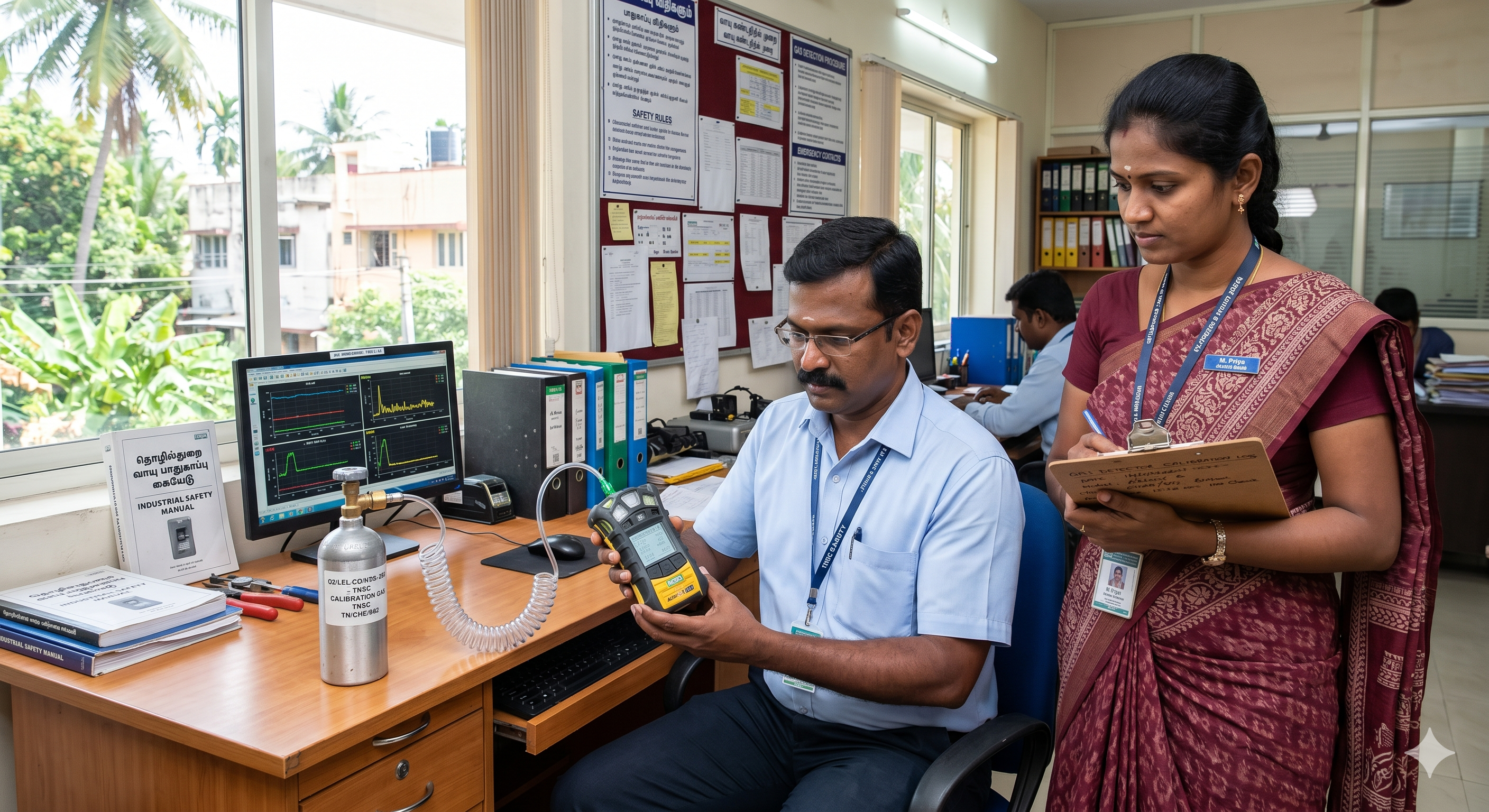
Industrial Safety Detectors
- Heavy-duty analytical sensors built for extreme factory settings.
- Features IP68 waterproof and dustproof ruggedized polycarbonate housings.
- Survives high-impact drops and severe electromagnetic interference (EMI).
- Ensures rigid compliance with strict occupational health safety boards.
Access Catalog
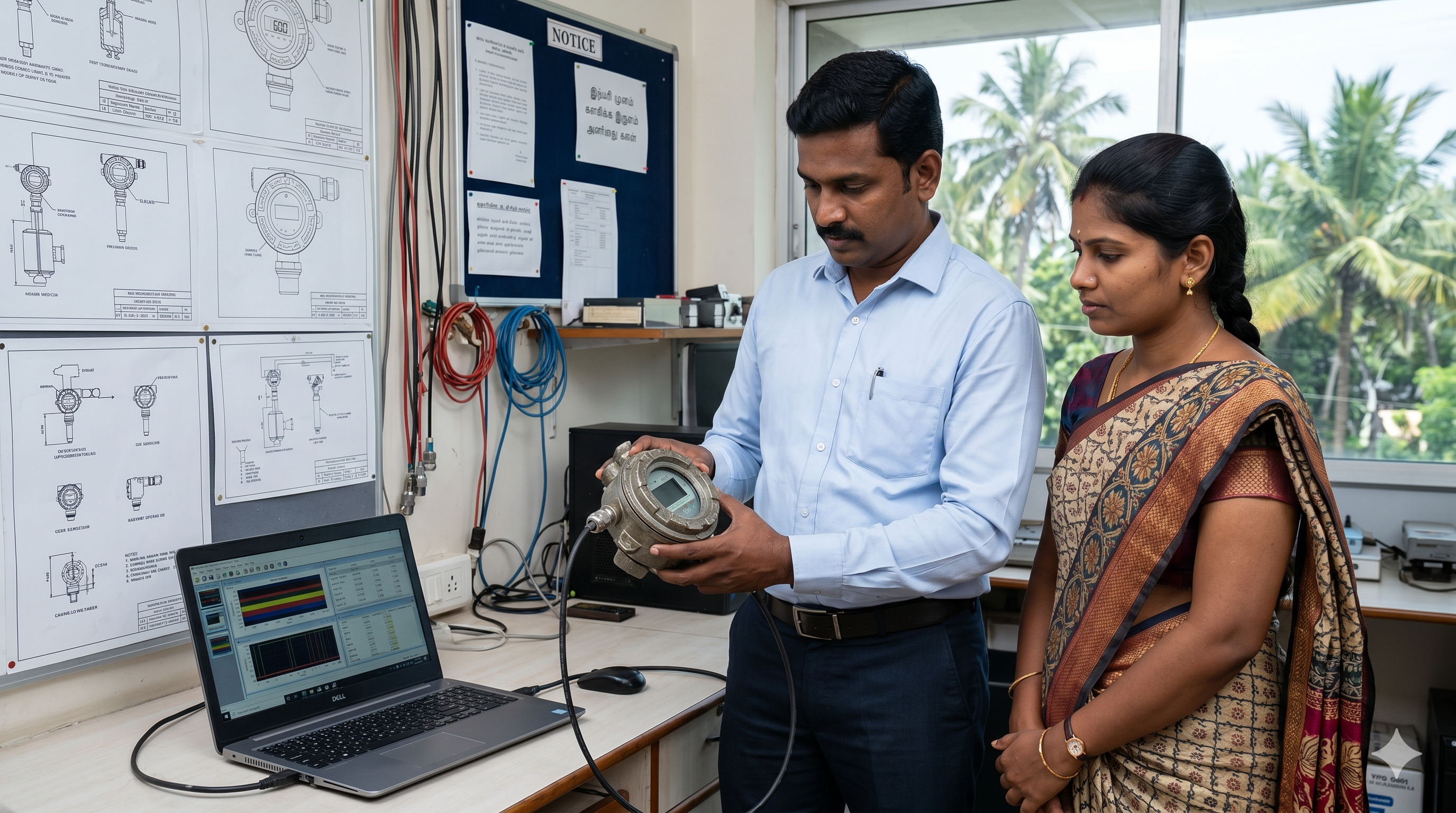
Explosion Proof Detectors
- Intrinsically safe designs incapable of igniting surrounding atmospheres.
- Housed in heavy cast aluminum or 316 stainless steel enclosures.
- Mandatory for ATEX / IECEx Zone 0, 1, and 2 hazardous classifications.
- Provides absolute safety in highly volatile petrochemical environments.
Access Catalog

Wireless / IoT Gas Detectors
- Transmits real-time environmental data directly to secure cloud servers.
- Eliminates expensive hardwiring costs across sprawling industrial complexes.
- Triggers automated SMS and email alerts to safety managers off-site.
- Powers expansive, live-tracking worker safety digital dashboards.
Access Catalog
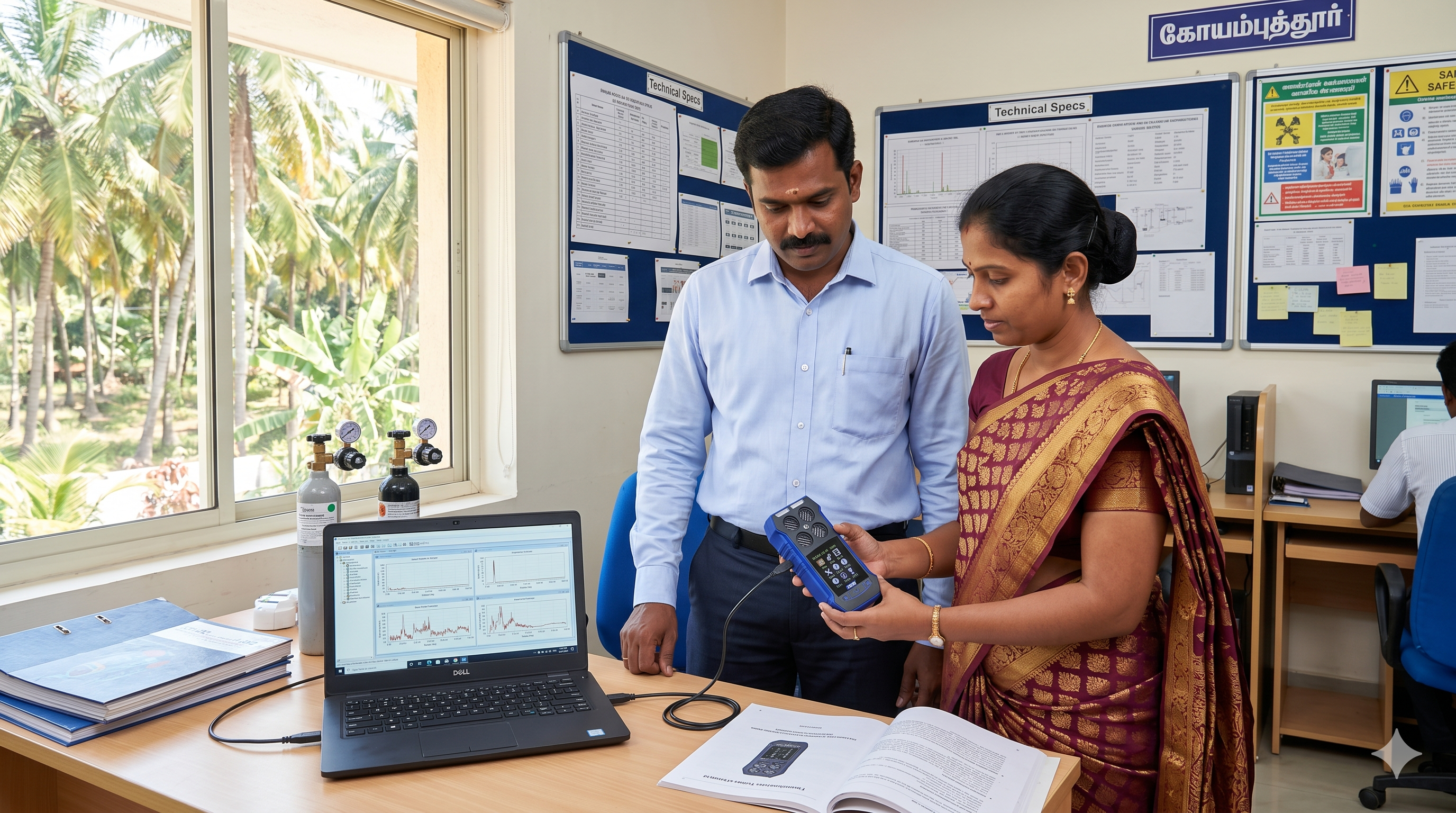
Data Logging Gas Detectors
- Features massive internal memory for continuous event recording.
- Stores historical concentration data securely for regulatory audits and OSHA.
- Captures bump test, calibration records, and individual alarm events.
- Easily interfaces with PC software for detailed graphical analysis.
Access Catalog
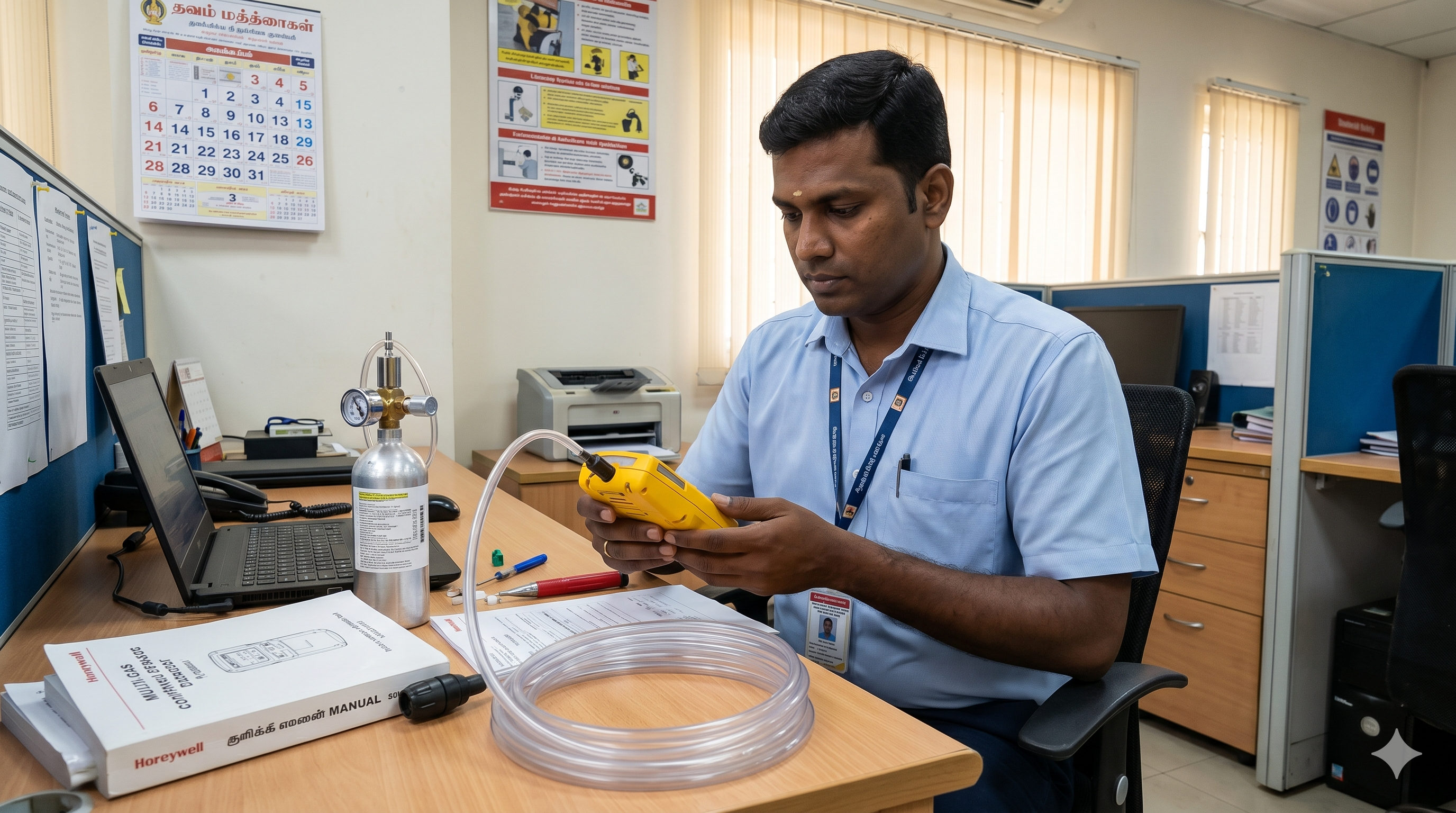
Confined Space Detectors
- Equipped with powerful motorized sampling pumps and telescopic probes.
- Allows for pre-entry atmosphere clearance testing from a safe distance.
- Monitors the critical 4-gas matrix (LEL, O2, CO, H2S) simultaneously.
- A mandatory life-saving tool for manholes, silos, and storage tanks.
Access Catalog

Personal Gas Monitors
- Ultra-lightweight wearable monitors designed to clip directly to a worker's lapel or harness.
- Acts as the final line of defense by measuring gas precisely within the breathing zone.
- Includes advanced features like "man-down" alarms and panic buttons.
- Creates an invisible safety halo around individual personnel in hazardous areas.
Access Catalog
No Categories Found
Try adjusting your search terminology.
Enterprise Safety Protocol
Understanding the core operating principles of gas detection sensors ensures the selection of the correct instrument for occupational health, industrial safety, or hazard response. Selecting the wrong sensor technology can lead to false readings, sensor poisoning, or compromised workplace safety.
Catalytic Bead (Pellistor)
Best For: General Combustibles (LEL)Measures the heat generated when a combustible gas burns on a heated catalyst wire. Highly effective for a wide range of flammable gases but requires oxygen to function and can be poisoned by silicones.
Applications:
Refineries, natural gas pipelines, and general LEL safety monitoring.
Electrochemical Cell
Best For: Target Toxic Gases & O2Gas diffuses into the sensor, creating a specific chemical reaction that generates an electrical current proportional to the gas concentration. Very accurate, linear response for specific toxics.
Applications:
Detecting Hydrogen Sulfide (H2S), Carbon Monoxide (CO), and measuring Oxygen levels.
PID (Photoionization)
Best For: VOCs & Chemical VaporsUses high-energy UV light to break volatile chemical molecules into positively charged ions. Extremely sensitive, capable of detecting thousands of different VOCs down to parts-per-billion (ppb).
Applications:
Hazmat spill response, paint booths, and industrial hygiene assessments.
NDIR (Infrared)
Best For: CO2 & specific CombustiblesNon-Dispersive Infrared sensors measure gas concentration by analyzing how much specific infrared light wavelengths are absorbed. Immune to chemical poisoning and does not require oxygen to operate.
Applications:
Confined spaces with low oxygen, CO2 monitoring, and harsh environments.
Sensor Technology Matrix
| Hazard Category | Primary Sensor Tech | Key Metric | Critical Advantage |
|---|---|---|---|
| Combustibles (Methane, Propane) | Catalytic Bead / IR | % LEL | Prevents explosive mixtures; IR models immune to poisoning. |
| Toxic Toxins (H₂S, CO, NH₃) | Electrochemical | PPM | Highly specific to target gas; fast response for worker safety. |
| Oxygen Depletion (O₂) | Galvanic / Optical | % Vol | Prevents asphyxiation in confined and underground spaces. |
| Volatile Organics (VOCs) | Photoionization (PID) | PPM / PPB | Detects a massive spectrum of invisible chemical vapors instantly. |
| Carbon Dioxide (CO₂) | NDIR (Infrared) | PPM / % Vol | Long-term stability; unaffected by temperature or humidity swings. |
Mission-Critical Selection Criteria
When deploying gas detection equipment for an enterprise or industrial application, evaluate the following vital parameters to guarantee protection and compliance.
1. Environmental Interferences
Identify background gases that could cause cross-sensitivity. For example, high concentrations of Hydrogen can cause false alarms in Carbon Monoxide electrochemical sensors.
2. Hazardous Area Classification
Ensure the device carries the proper ATEX, IECEx, or UL certifications (e.g., Class I, Div 1) required for operation within legally defined explosive or volatile zones.
3. Maintenance & Bump Testing
Gas detectors save lives but require routine calibration and daily "bump testing" to verify sensor response. Choose systems compatible with automated docking stations for fleet management.