Precision Bursting Strength Testers
Engineered to determine the maximum rupture pressure of paper, corrugated boards, textiles, and flexible packaging, ensuring product integrity during logistics and storage.
Widely Used By
Packaging Manufacturers Paper & Pulp Mills Textile Quality Control Logistics & Shipping R&D Laboratories
Key Purposes
Material Strength Analysis Burst Factor Calculation Quality Assurance (QC) ISO/ASTM Compliance Supplier Validation
Single Tap to Scroll • Double Tap to Open Catalog
Control & Operation Type Testers
Digital, analog, automatic, semi-automatic, hydraulic and pneumatic bursting testers are grouped below for easy selection.
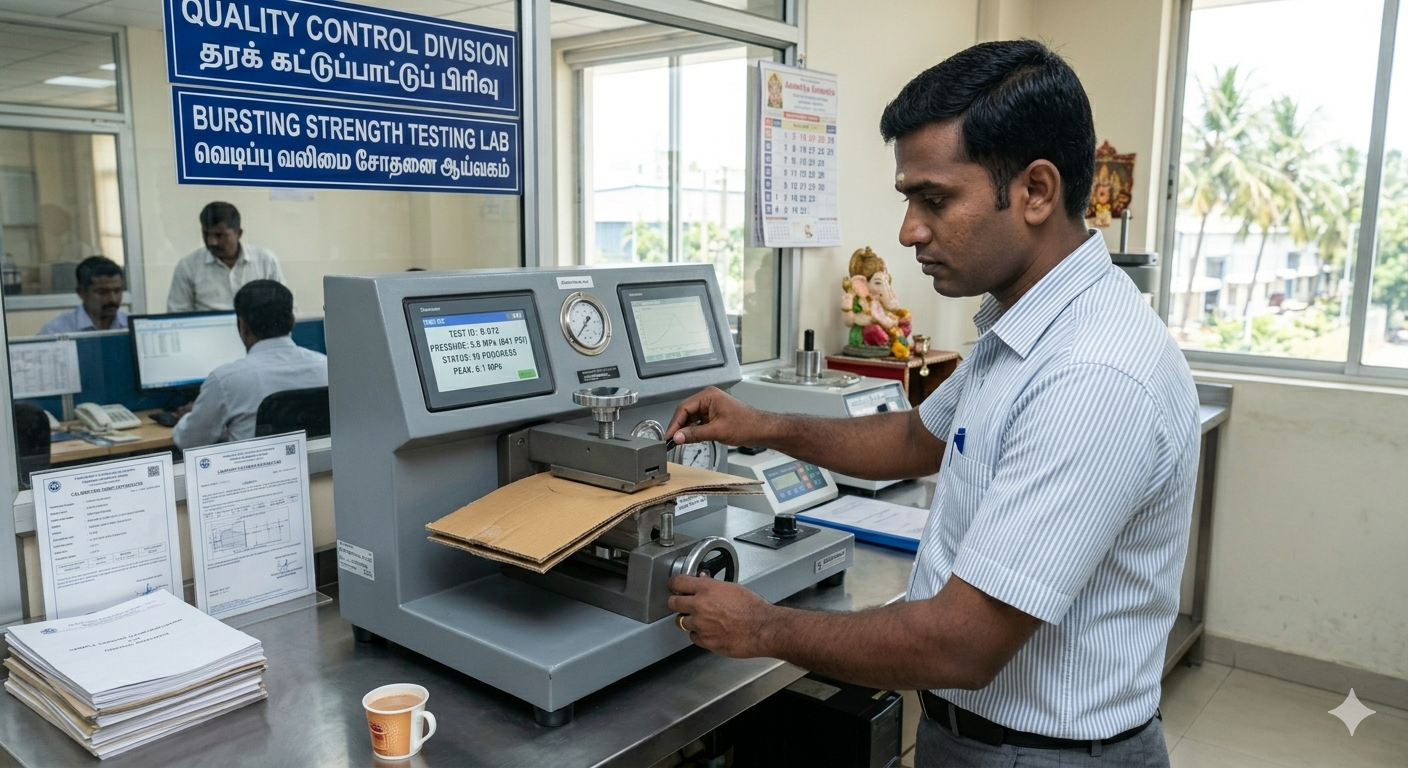
Digital Bursting Testers
- Features high-resolution LED/LCD digital displays.
- Microprocessor-based control for accurate peak-hold reading.
- Eliminates human error associated with analog dial reading.
- Ideal for fast-paced paper and packaging QA labs.
Access Catalog
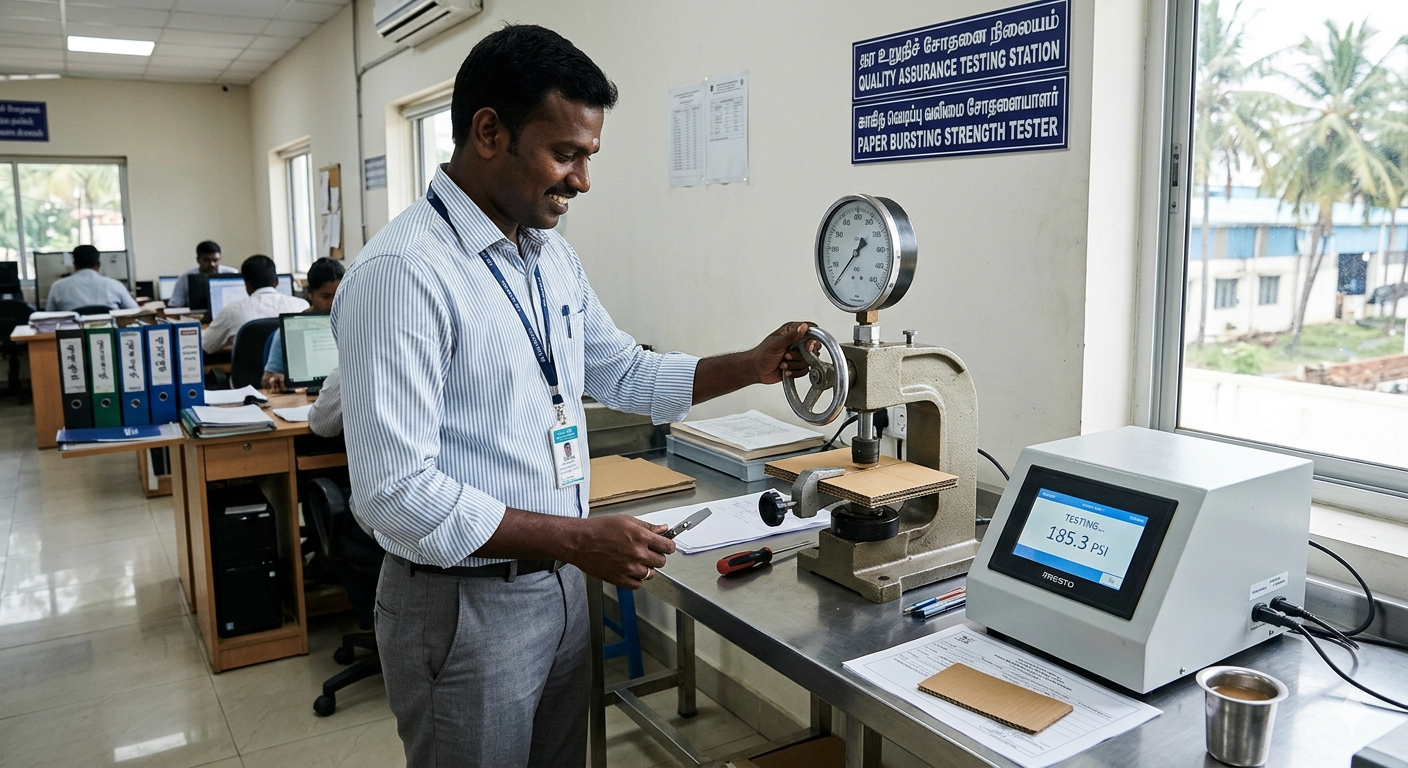
Analog Bursting Testers
- Classic, highly durable mechanical dial pressure gauges.
- Features a secondary lazy pointer to record maximum burst pressure.
- Cost-effective solution requiring minimal electrical maintenance.
- Excellent for harsh factory floor environments.
Access Catalog
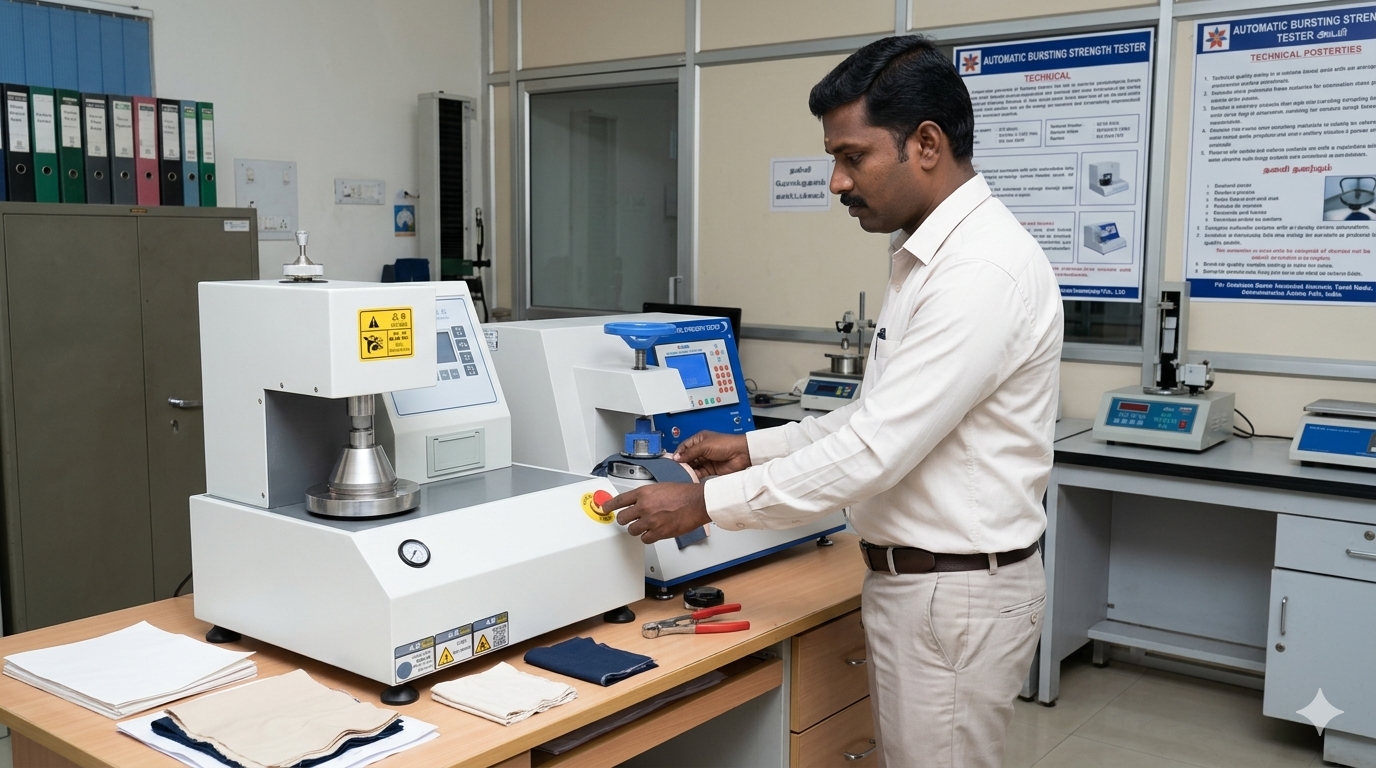
Automatic Bursting Testers
- Fully automated pneumatic sample clamping and pressure application.
- Ensures exact, repeatable clamping force for every single test.
- One-button operation reduces operator fatigue significantly.
- Crucial for high-throughput continuous manufacturing runs.
Access Catalog
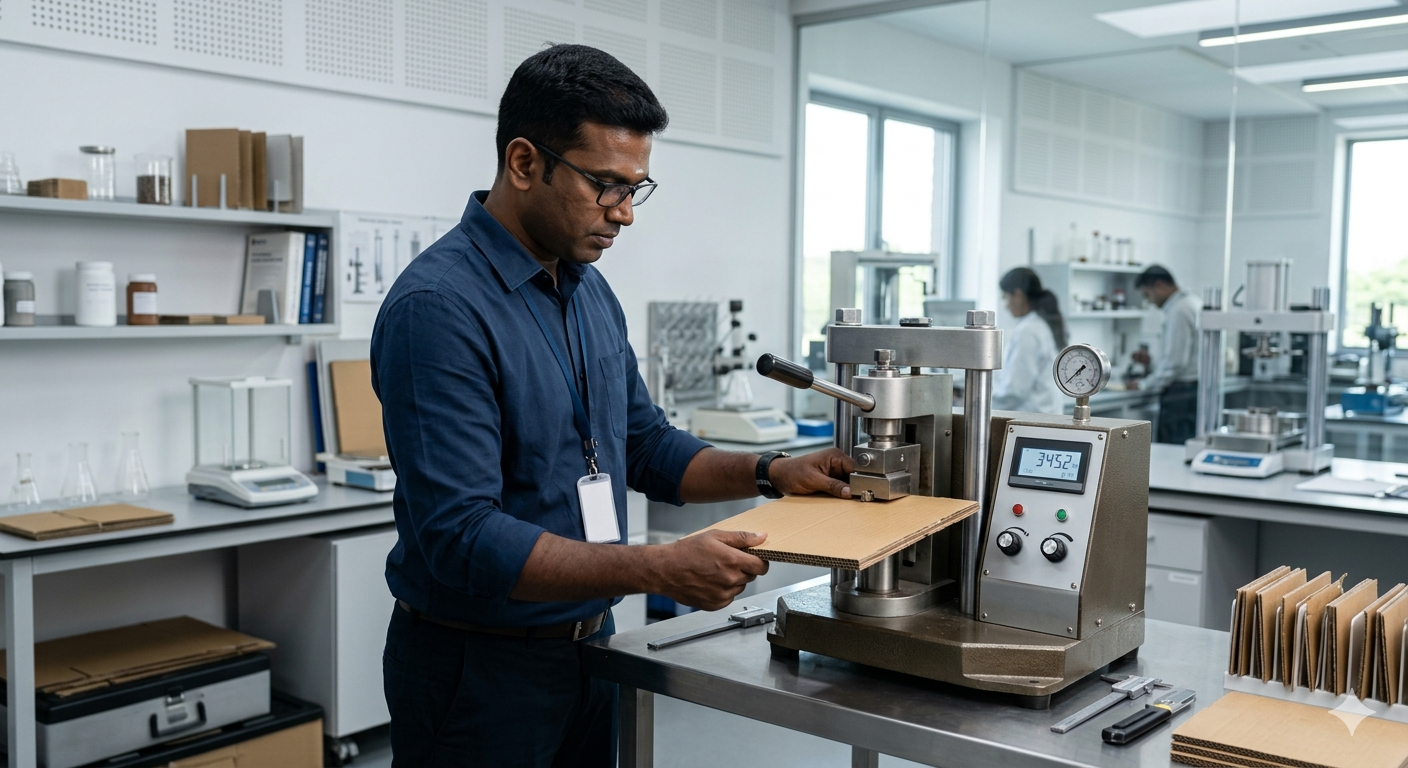
Semi-Automatic Testers
- Combines manual sample clamping with automated hydraulic bursting.
- Provides a balance of cost-efficiency and testing precision.
- Features a geared hand-wheel for secure, non-slip sample locking.
- Standard for mid-sized corrugated box manufacturers.
Access Catalog
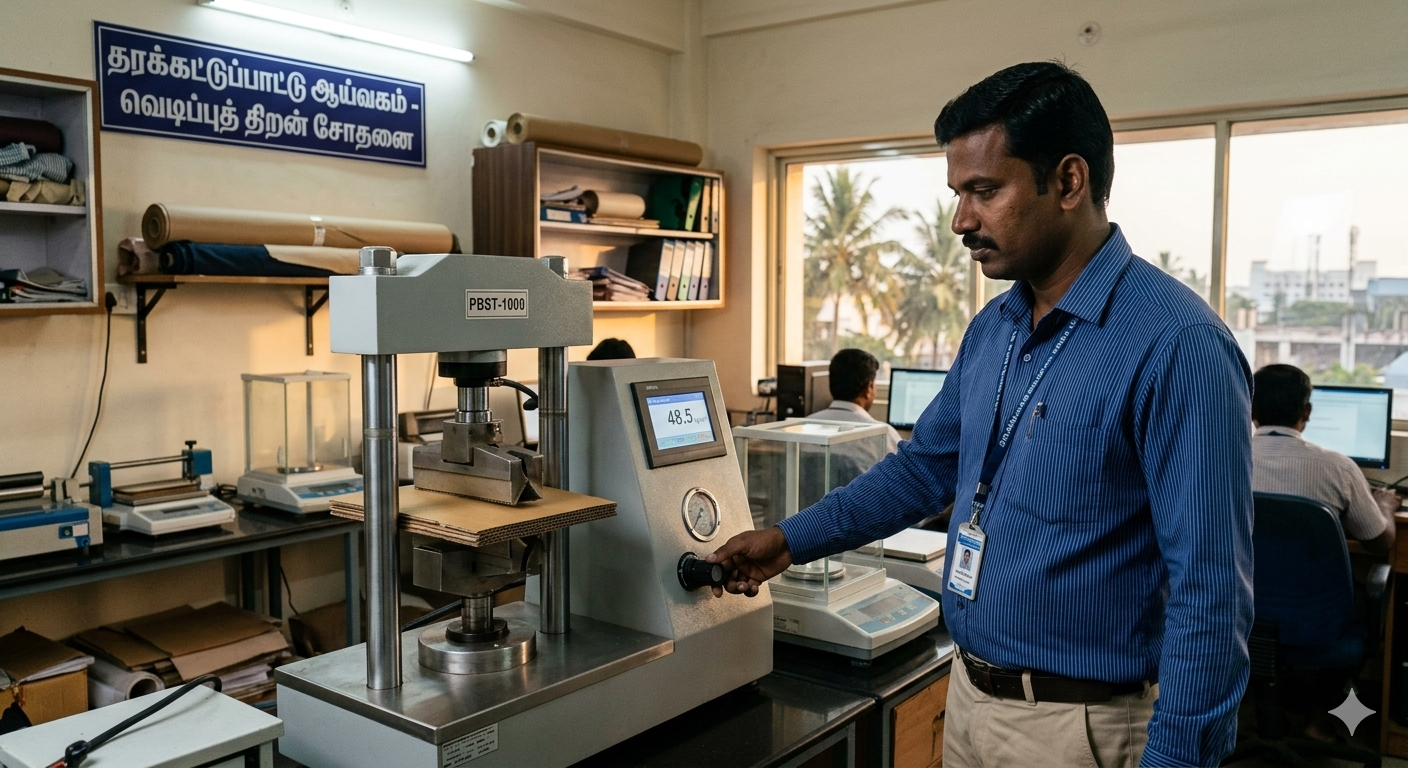
Hydraulic Testers
- Utilizes liquid-filled (glycerin) cylinders to apply uniform pressure via a rubber diaphragm.
- The global standard methodology for paper and heavy board testing.
- Capable of generating immense force for multi-wall corrugated samples.
- Ensures steady, pulse-free pressure ramps.
Access Catalog
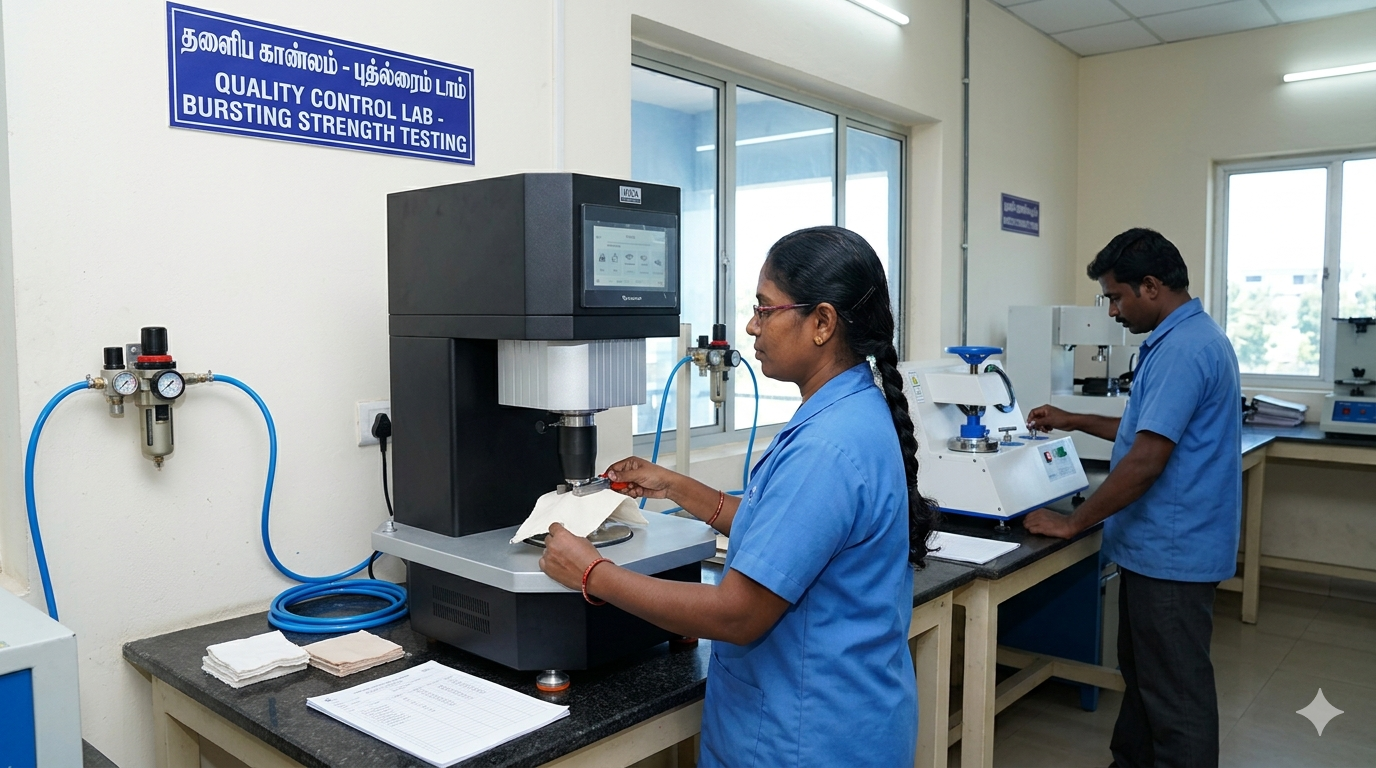
Pneumatic Testers
- Uses compressed air instead of hydraulic fluid to stress the material.
- Primarily designed for testing highly flexible materials like textiles and fabrics.
- Clean operation with zero risk of fluid leaks ruining samples.
- Features highly sensitive, low-pressure transducers.
Access Catalog
Material Application Based Testers
Paper, paperboard, corrugated box, textile, rubber and polymer testing categories are listed with practical bullet-point uses.
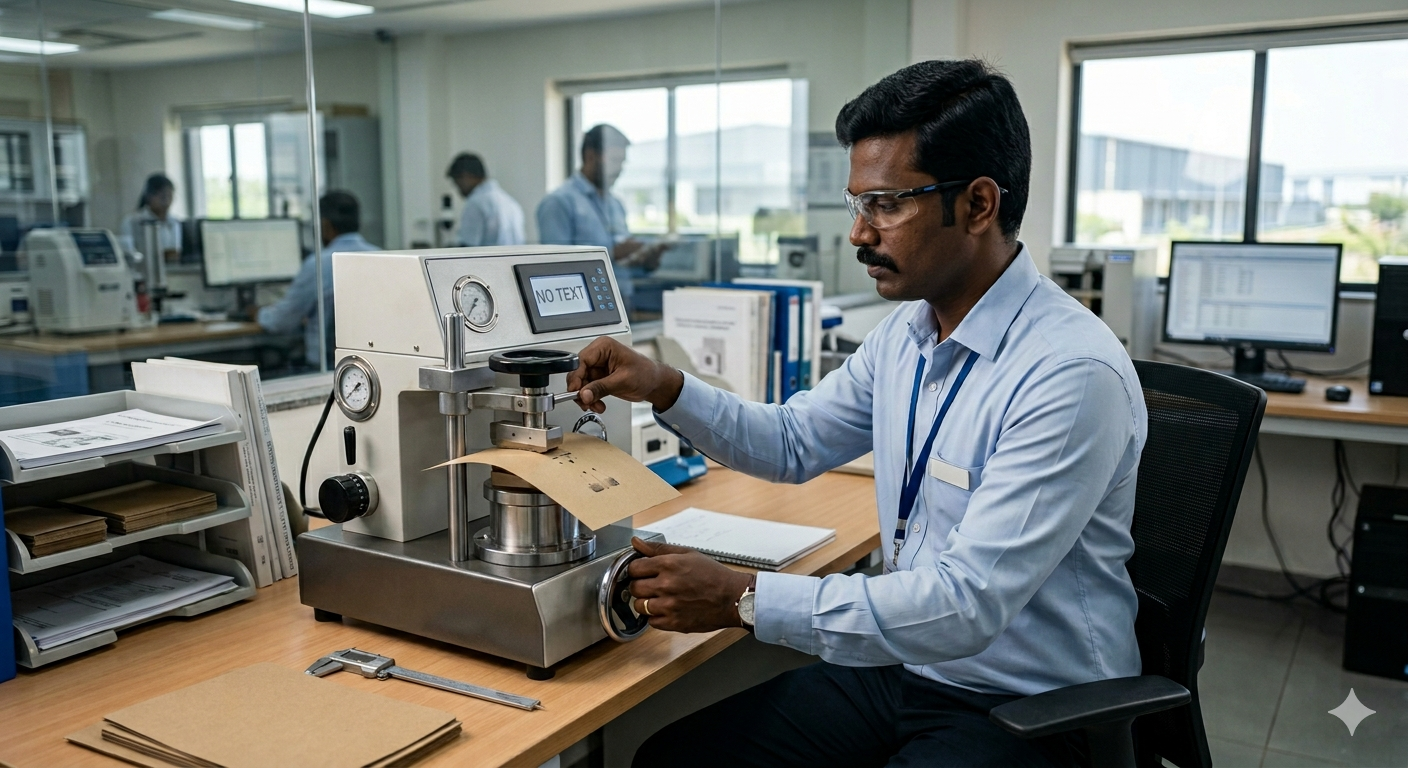
Paper & Paperboard
- Calibrated specifically for lower GSM paper, kraft paper, and solid boards.
- Equipped with highly sensitive, low-range pressure gauges/sensors.
- Crucial for determining the Burst Factor (Burst Strength / GSM).
- Compliant with specific TAPPI T403 standards.
Access Catalog
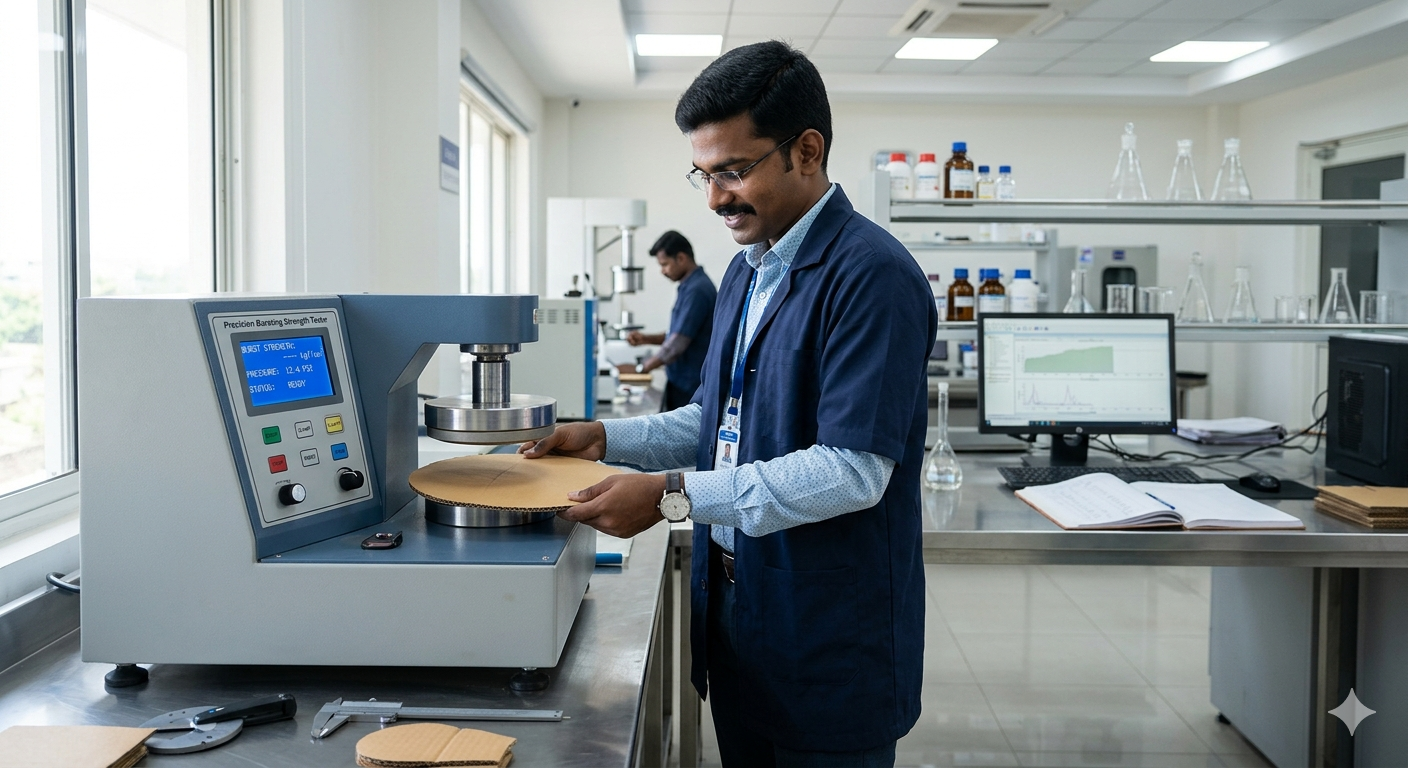
Corrugated Box Testers
- Heavy-duty models designed to rupture thick, multi-ply corrugated sheets (3, 5, 7 ply).
- Features robust clamping bells to prevent specimen slippage under extreme load.
- Directly correlates to the box's ability to withstand rough handling.
- Compliant with TAPPI T810 standards.
Access Catalog

Textile / Fabric Testers
- Engineered to test the multidirectional strength of knitted, woven, and non-woven fabrics.
- Uses specialized diaphragms and larger clamping areas for fabric stretch.
- Essential for assessing the durability of technical garments and upholstery.
- Often utilizes pneumatic systems for cleaner operation.
Access Catalog
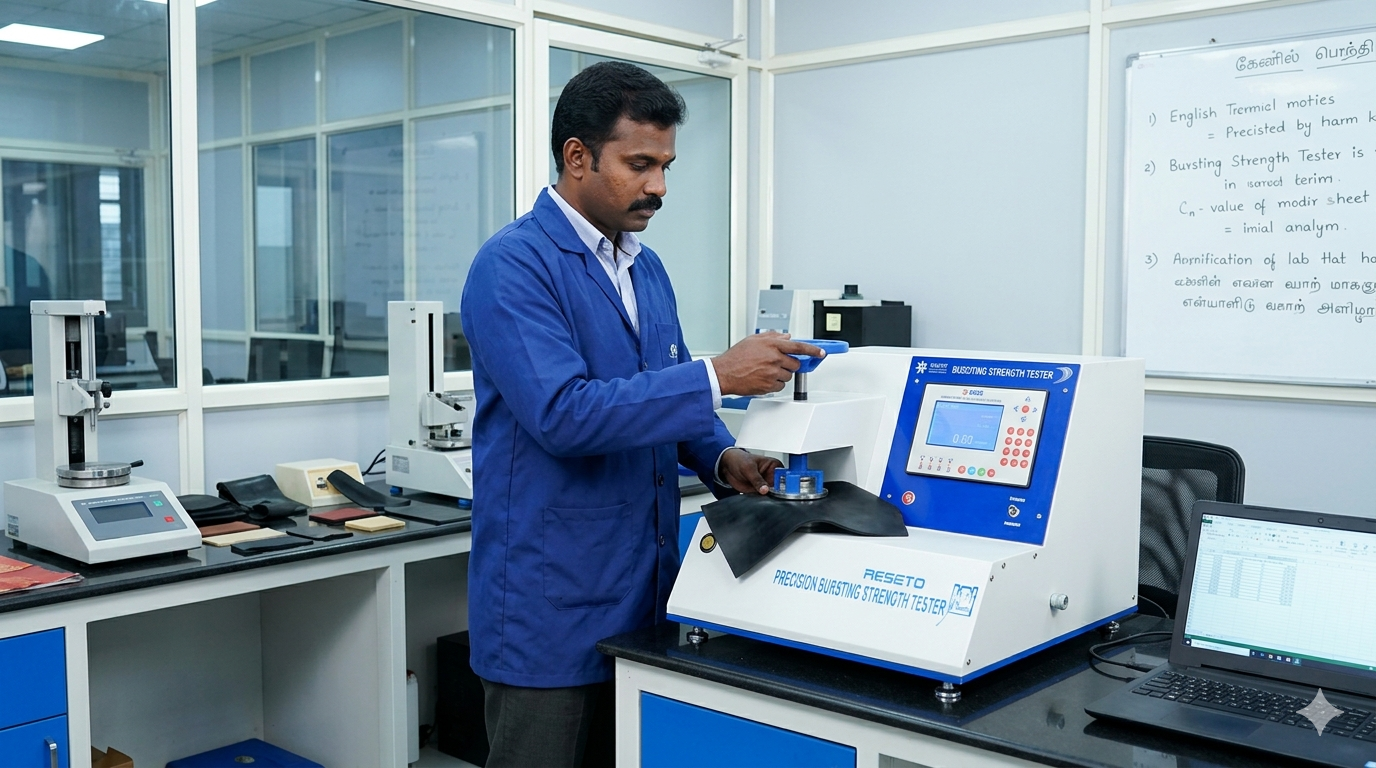
Rubber & Polymer Testers
- Designed to test the burst resistance of flexible films, latex, and polymer sheets.
- Crucial for medical gloves, condoms, and flexible food packaging laminates.
- Measures both the burst pressure and the volumetric distension at failure.
Access Catalog
Advanced, Laboratory & Industrial QC Models
High-pressure, computerized, laboratory and industrial QC models are grouped for advanced reporting and production testing needs.
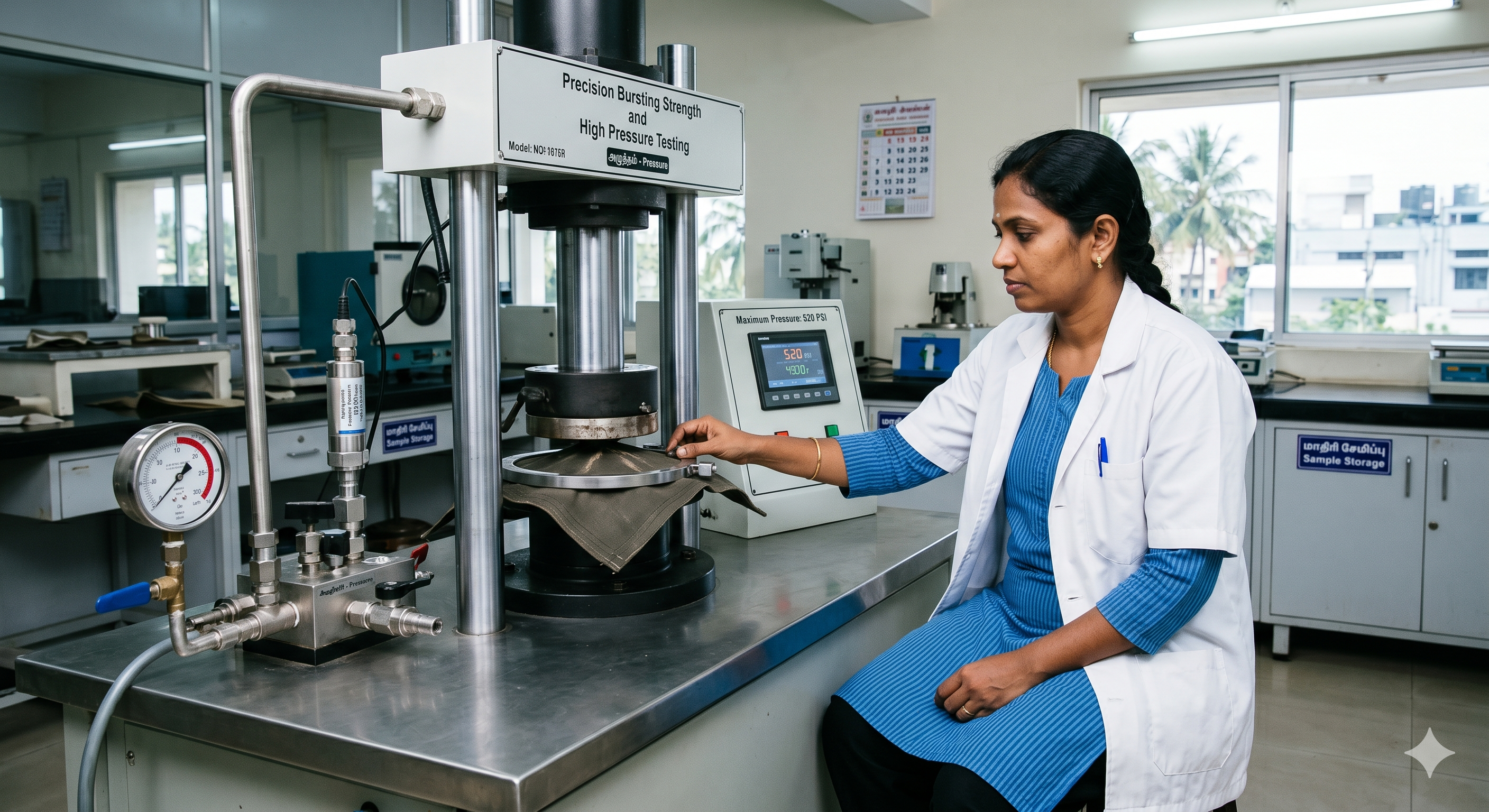
High Pressure Testers
- Fitted with heavy-duty gearboxes and high-capacity hydraulic pumps.
- Capable of reaching pressures well over 50 kg/cm² for extreme materials.
- Used for specialized industrial packaging, thick leather, and industrial foils.
Access Catalog

Computerized / PC-Based
- Connects directly to specialized software for real-time graphical analysis.
- Generates detailed Pressure vs. Time curves during the burst cycle.
- Automatically compiles historical batch reports and calculates standard deviations.
- Essential for deep R&D analysis and strict ISO audit trails.
Access Catalog
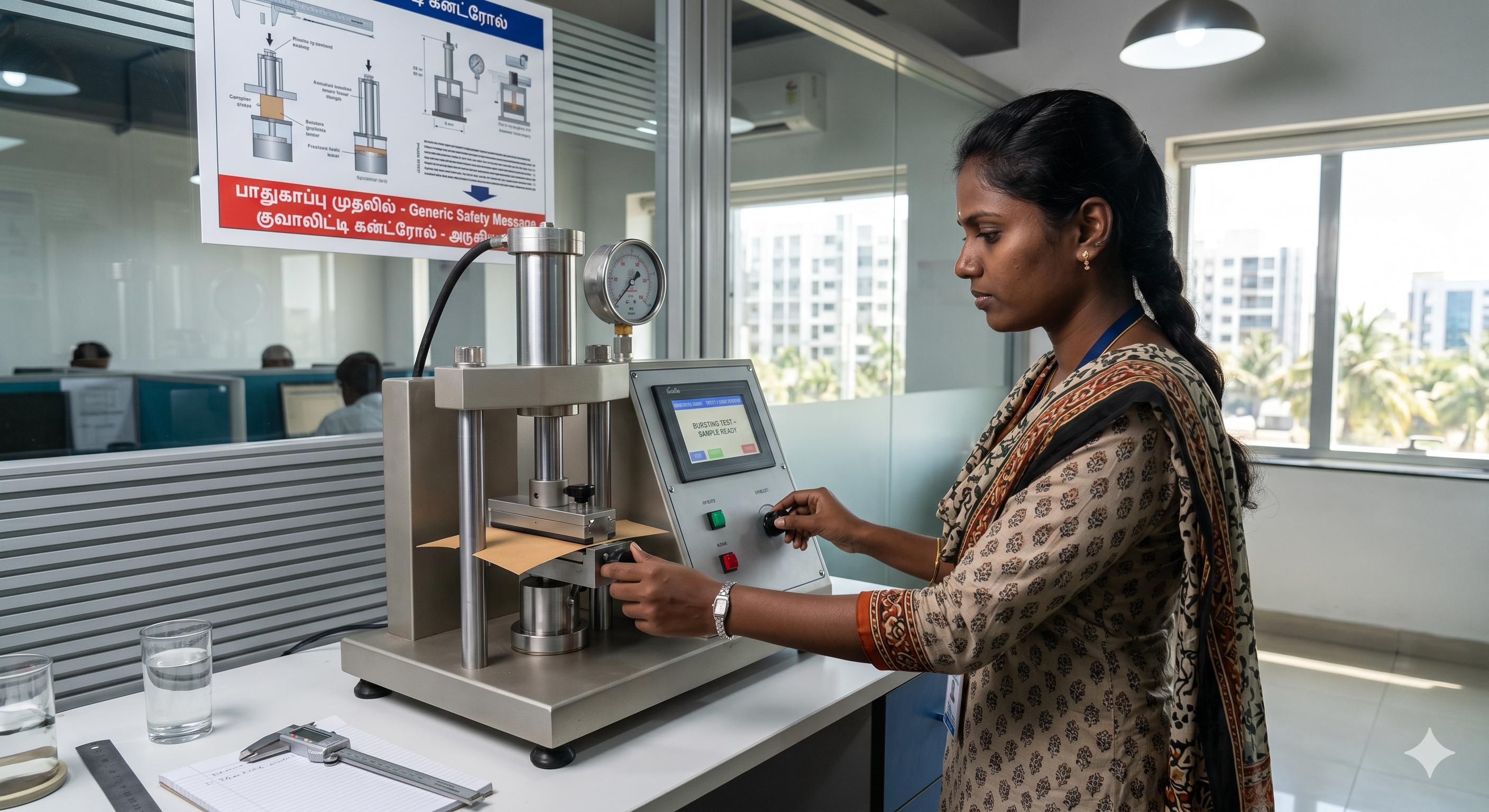
Laboratory Models
- Sleek, benchtop designs optimized for clean, climate-controlled testing environments.
- Focuses on maximum sensor resolution and precision over raw power.
- Used extensively in packaging design and university research.
Access Catalog
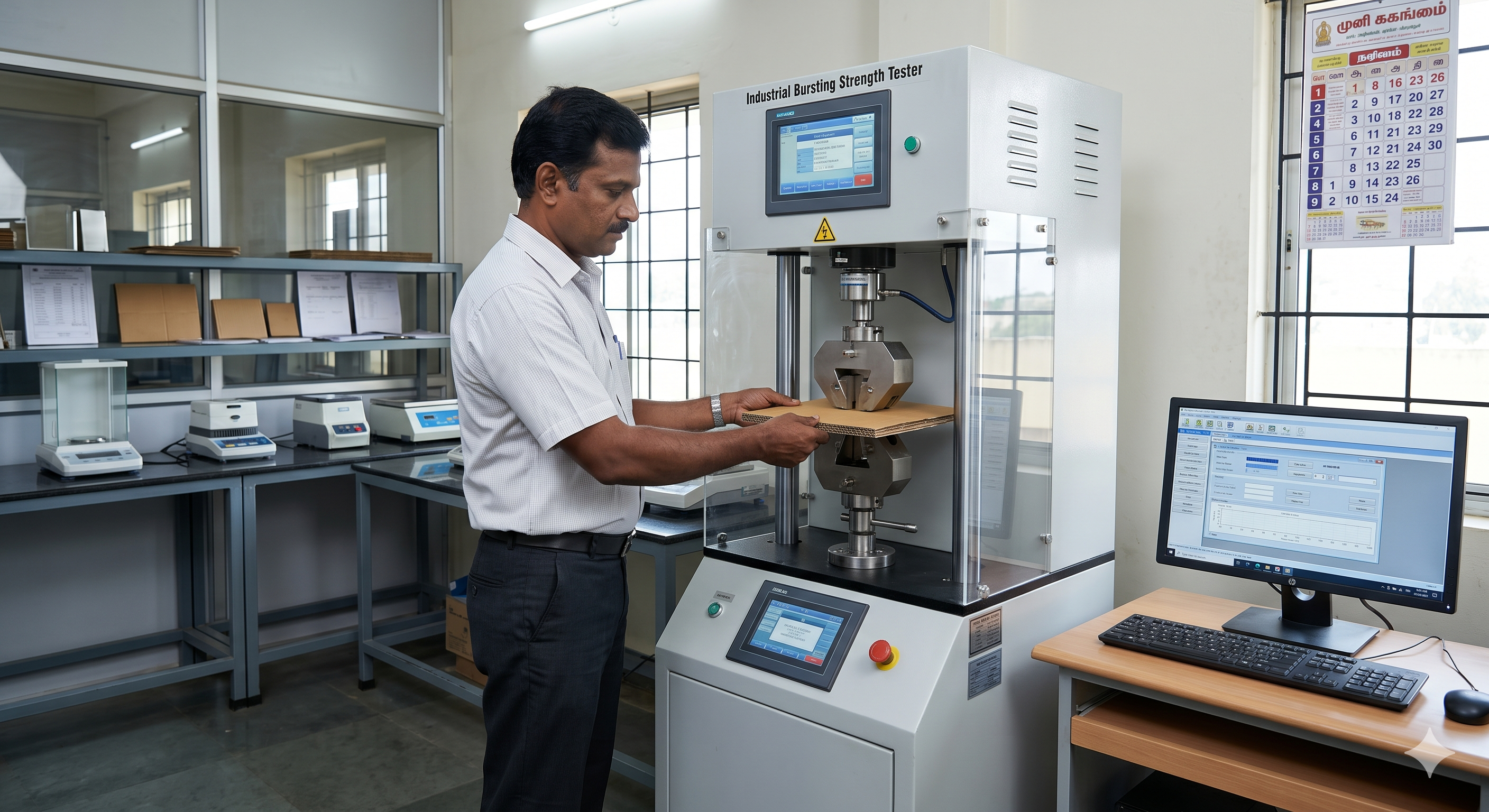
Industrial QC Models
- Rugged, floor-standing or heavy-duty benchtop units built for the factory floor.
- Resistant to dust, vibration, and continuous, repetitive daily operation.
- Designed for rapid pass/fail checks right beside the production line.
Access Catalog
No Categories Found
Try adjusting your search terminology.
Enterprise Burst Testing Protocol
Understanding the mechanics of bursting strength evaluation is crucial for preventing packaging failure during transit. Selecting the correct machine ensures compliance with global standards and provides accurate data to optimize material costs without sacrificing structural integrity.
The Mullen Test Principle
Core MechanicsThe global standard method. A specimen is clamped tightly over a circular elastic diaphragm. Hydraulic fluid is pumped at a constant rate, expanding the diaphragm until the specimen ruptures. The peak pressure required is the Bursting Strength.
Burst Factor & Index
Quality MetricsRaw bursting strength must be contextualized by the material's weight. Burst Factor = Burst Strength (g/cm²) / GSM. Burst Index = Burst Strength (kPa) / GSM. These metrics allow fair comparison between different paper grades.
Clamping Force Dynamics
Critical VariableIf clamping pressure is too low, the sample slips, invalidating the test. If it's too high, it crushes the sample's flutes (in corrugated board), creating premature failure. Automatic pneumatic clamps eliminate this severe human error.
Diaphragm Calibration
MaintenanceThe rubber diaphragm itself requires force to expand, which must be subtracted from the final reading. Furthermore, diaphragms degrade over time and must be routinely calibrated using standardized aluminum foil test pieces.
Testing Standards Matrix
| Material Type | Primary Standard | Key Requirement |
|---|---|---|
| Paper & Light Board | TAPPI T403 / ISO 2758 | High Sensitivity Sensor |
| Corrugated Board (Heavy) | TAPPI T810 / ISO 2759 | High Pressure Hydraulics |
| Textiles & Fabrics | ASTM D3786 / ISO 13938 | Larger Clamping Area |
| Flexible Plastics/Films | ASTM F2054 | Volumetric Expansion Tracking |
Mission-Critical Selection Criteria
When specifying a bursting strength tester for your QC lab or production floor, evaluate the following vital parameters to guarantee testing accuracy.
1. Pumping Rate Accuracy
Standards dictate specific fluid pumping rates (e.g., 170 ml/min for corrugated). Ensure the machine utilizes a high-quality geared motor to maintain a steady ramp rate regardless of sample resistance.
2. Sensor Range & Resolution
Do not use a 100 kg/cm² machine to test light tissue paper; the resolution will be too coarse. Select a machine with a pressure transducer appropriately ranged for your specific material's breaking point.
3. Data Traceability
For modern ISO audits, manual transcription is a liability. Choose models with built-in thermal printers or USB PC connectivity to generate unalterable, time-stamped batch reports.