Bio Gas Analyzers
High-precision industrial instruments designed for continuous monitoring and portable analysis of Methane (CH₄), Carbon Dioxide (CO₂), Hydrogen Sulfide (H₂S), and Oxygen (O₂) in anaerobic digestion and landfill sites.
Widely Used By
Biogas Plant Operators Landfill Managers Wastewater Facilities Renewable Energy Engineers Agri-Digester Owners
Key Purposes
Optimize Anaerobic Digestion Prevent CHP Engine Corrosion Monitor Flare Gas Emissions Maximize Biomethane Yield Syngas Analysis
Single Tap to Scroll • Double Tap to Open Catalog
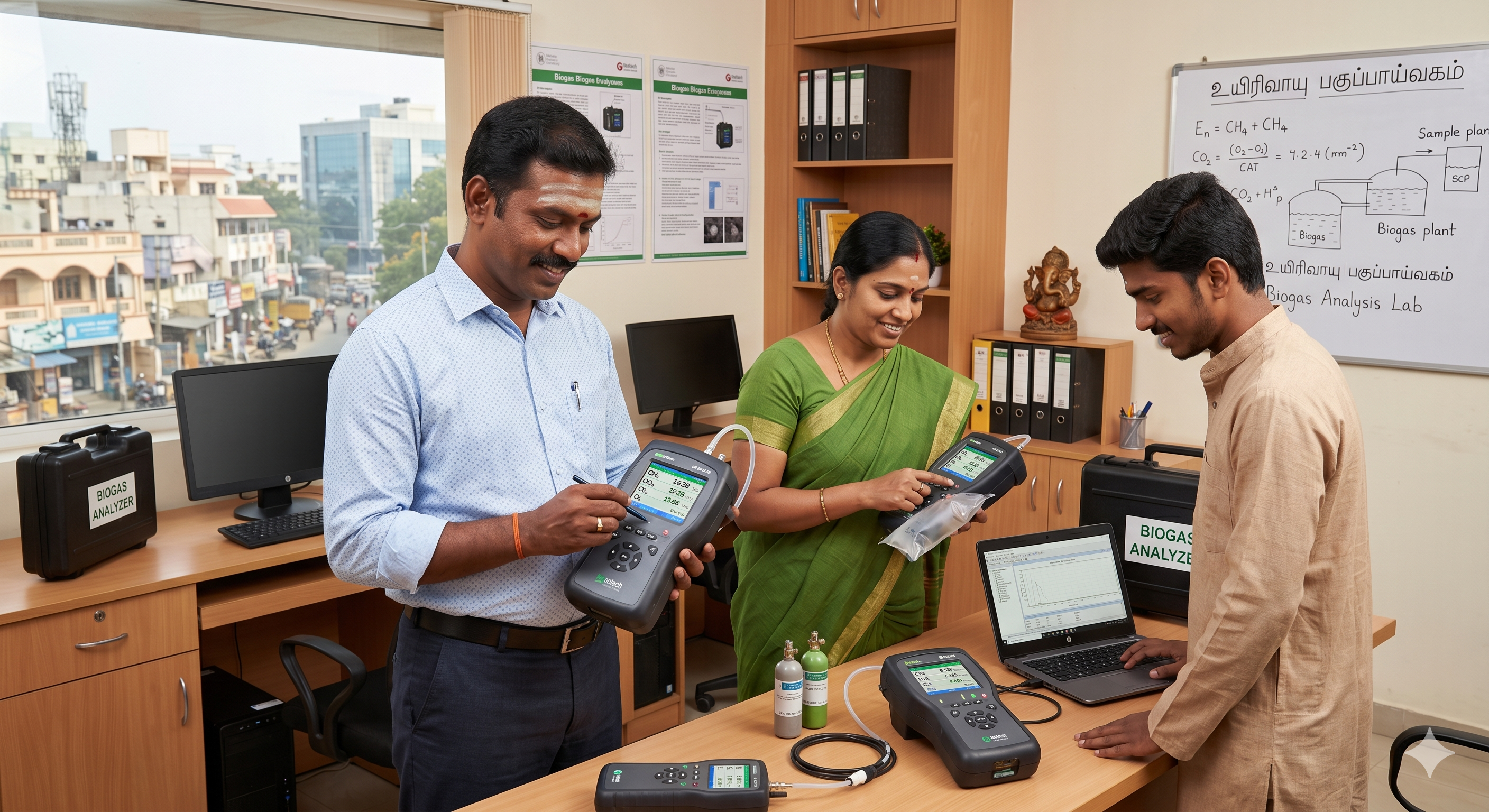
Portable Biogas Analyzers
- Compact, mobile measurement of CH₄, CO₂, O₂, and H₂S.
- Ideal for daily spot-checking across multiple digester tanks.
- Built-in moisture traps and field-replaceable batteries.
- Data logging capabilities for environmental compliance audits.
Access Catalog

Continuous / Online Analyzers
- 24/7 automated monitoring of real-time biogas composition.
- Direct integration with plant SCADA via 4-20mA or Modbus.
- Protects CHP engines with rapid-response H₂S shutoff alarms.
- Automated calibration cycles for absolute minimal maintenance.
Access Catalog
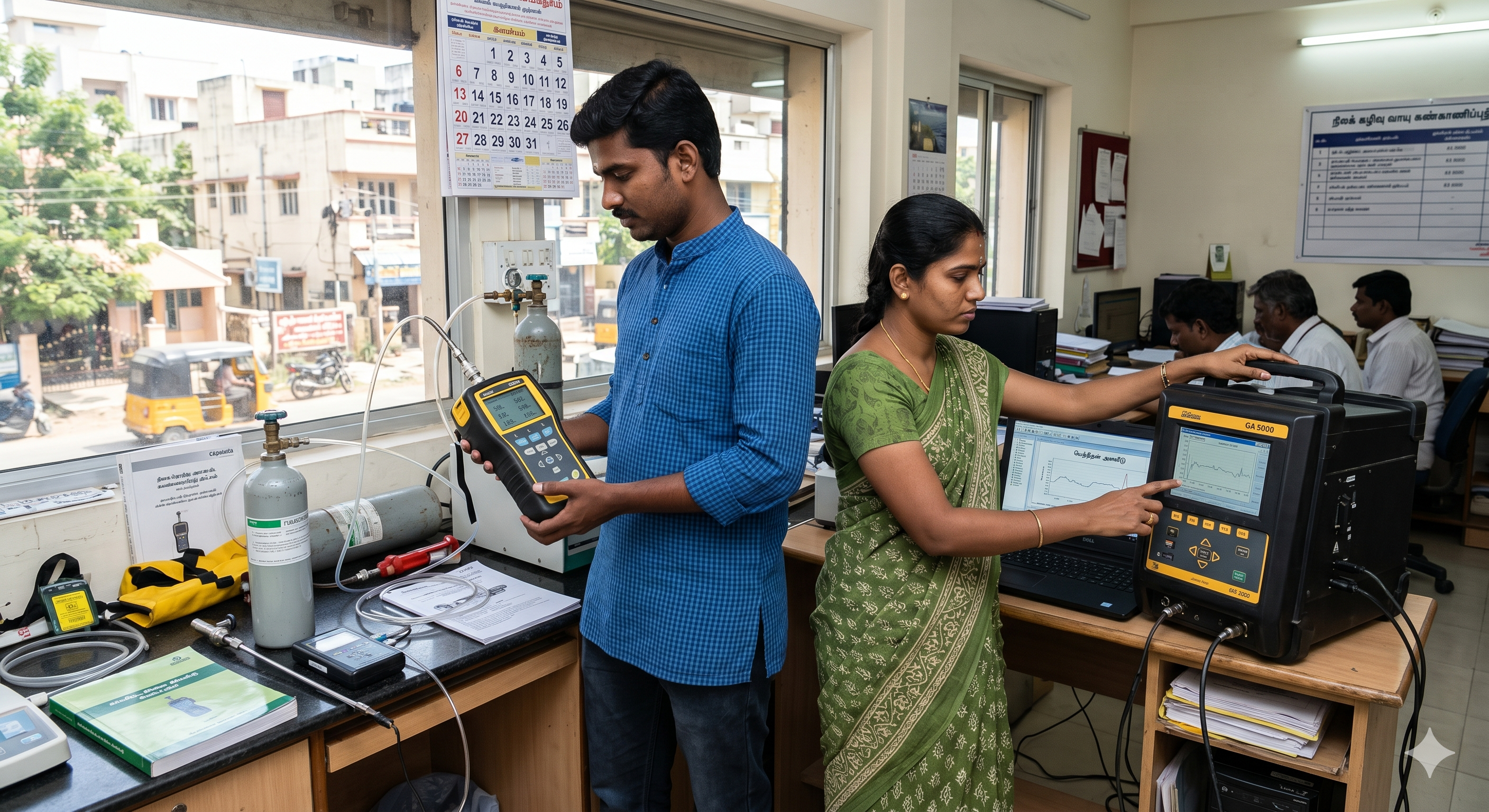
Landfill Gas Monitors
- Rugged instruments for wellhead balancing and perimeter checks.
- ATEX/IECEx certified for explosive Zone 1 environments.
- Calculates dynamic gas balance to optimize exact extraction.
- Built-in GPS for mapping and logging monitoring points.
Access Catalog
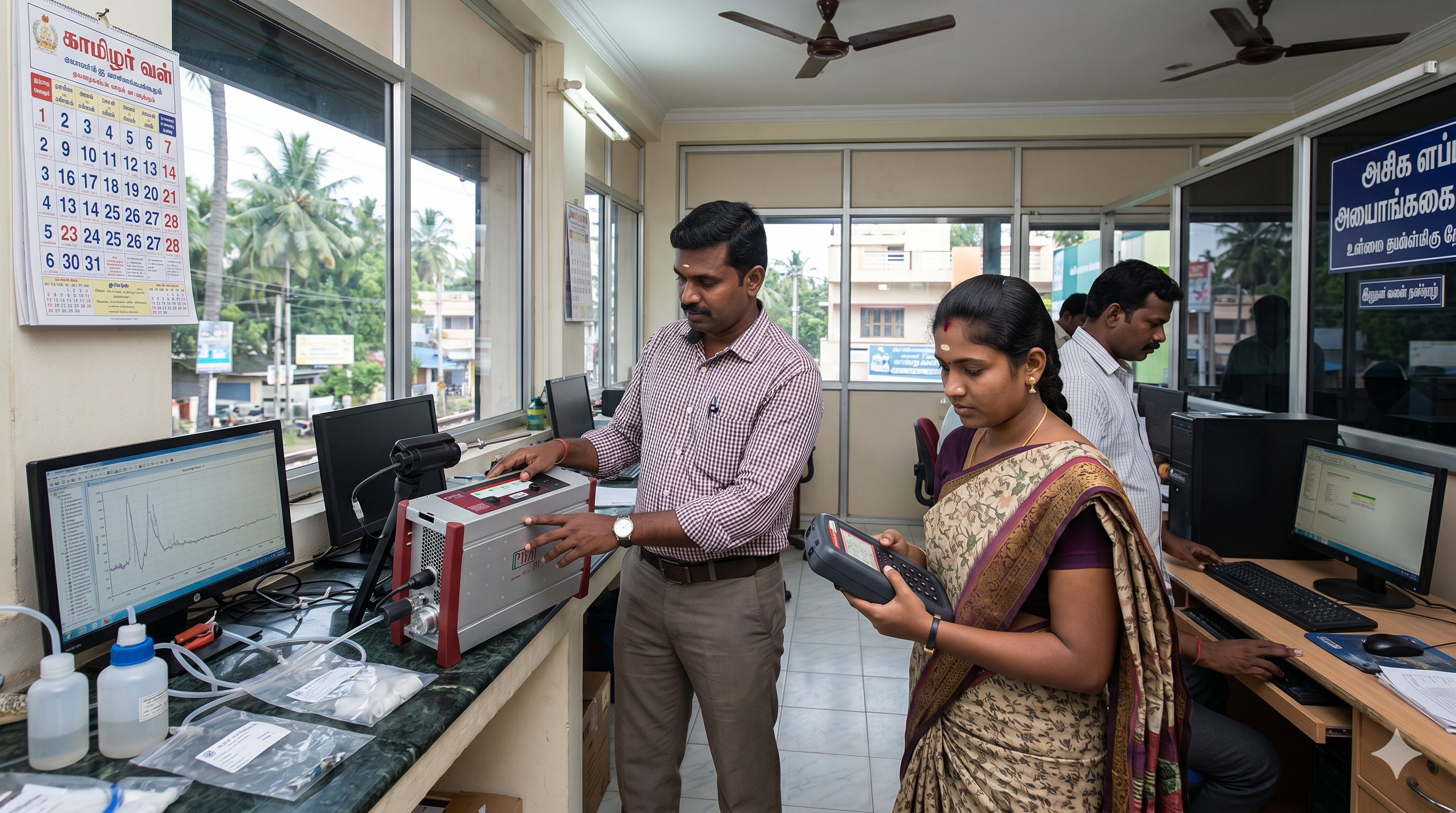
Syngas Analyzers
- Measures H₂, CO, CO₂, CH₄, and O₂ in biomass gasification.
- Employs robust TCD sensors for high hydrogen concentrations.
- Withstands extremely high temperatures and tar-heavy conditions.
- Continuously optimizes total syngas calorific energy value.
Access Catalog
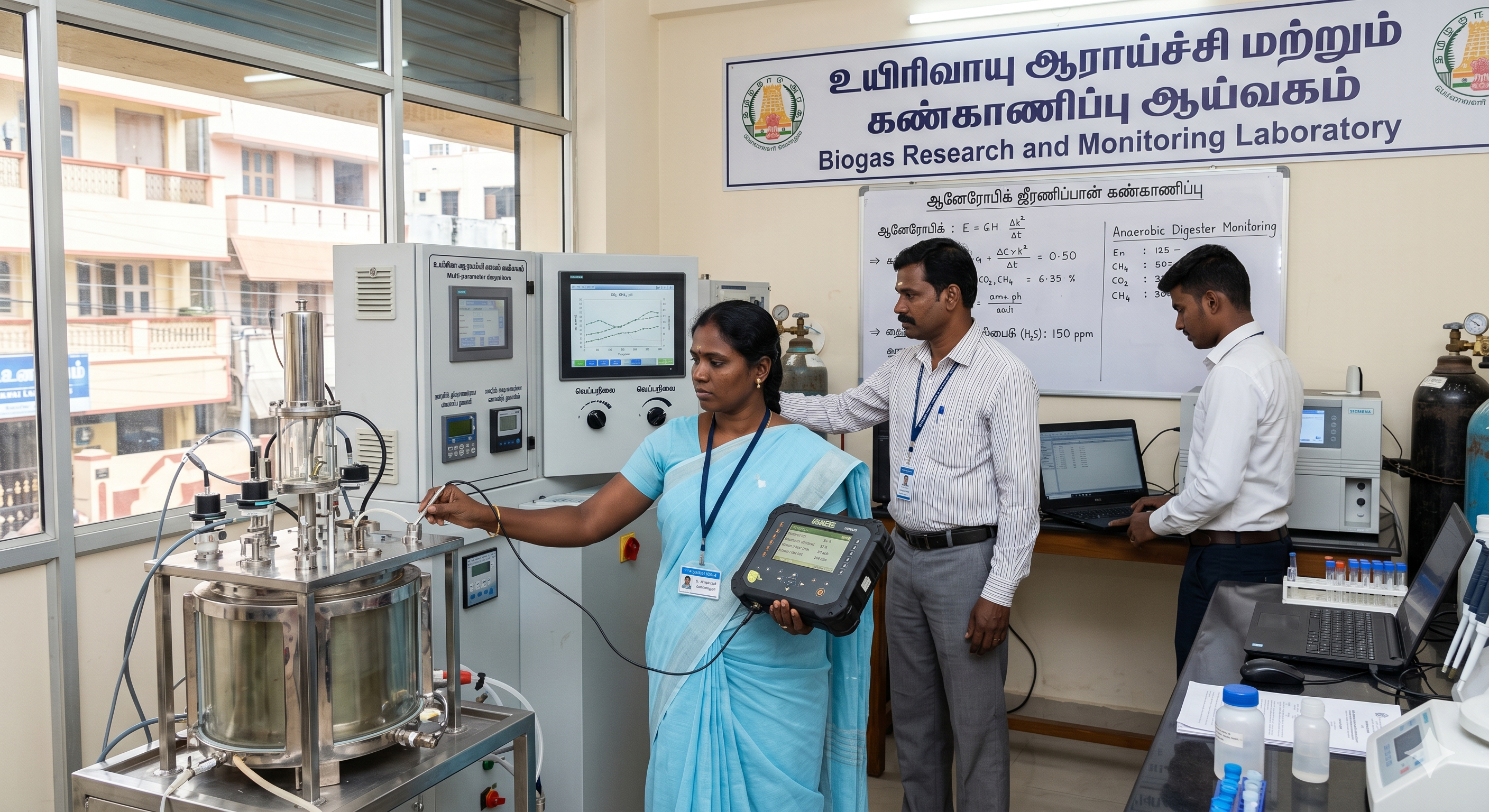
Anaerobic Digester Monitors
- Tracks precise biological fermentation parameters in real-time.
- Prevents sudden digester souring by monitoring exact gas ratios.
- Essential data tool for optimizing expensive feedstock dosing.
- Guaranteed to increase overall plant biomethane yield.
Access Catalog
.png)
Trace Gas Analyzers (H₂S, NH₃)
- Ultra-sensitive detection of highly corrosive trace gases.
- Prevents catastrophic internal damage to gas engines and fuel cells.
- Measures from ultra-low ppm up to high percent ranges accurately.
- Advanced sample conditioning safely removes stream humidity.
Access Catalog
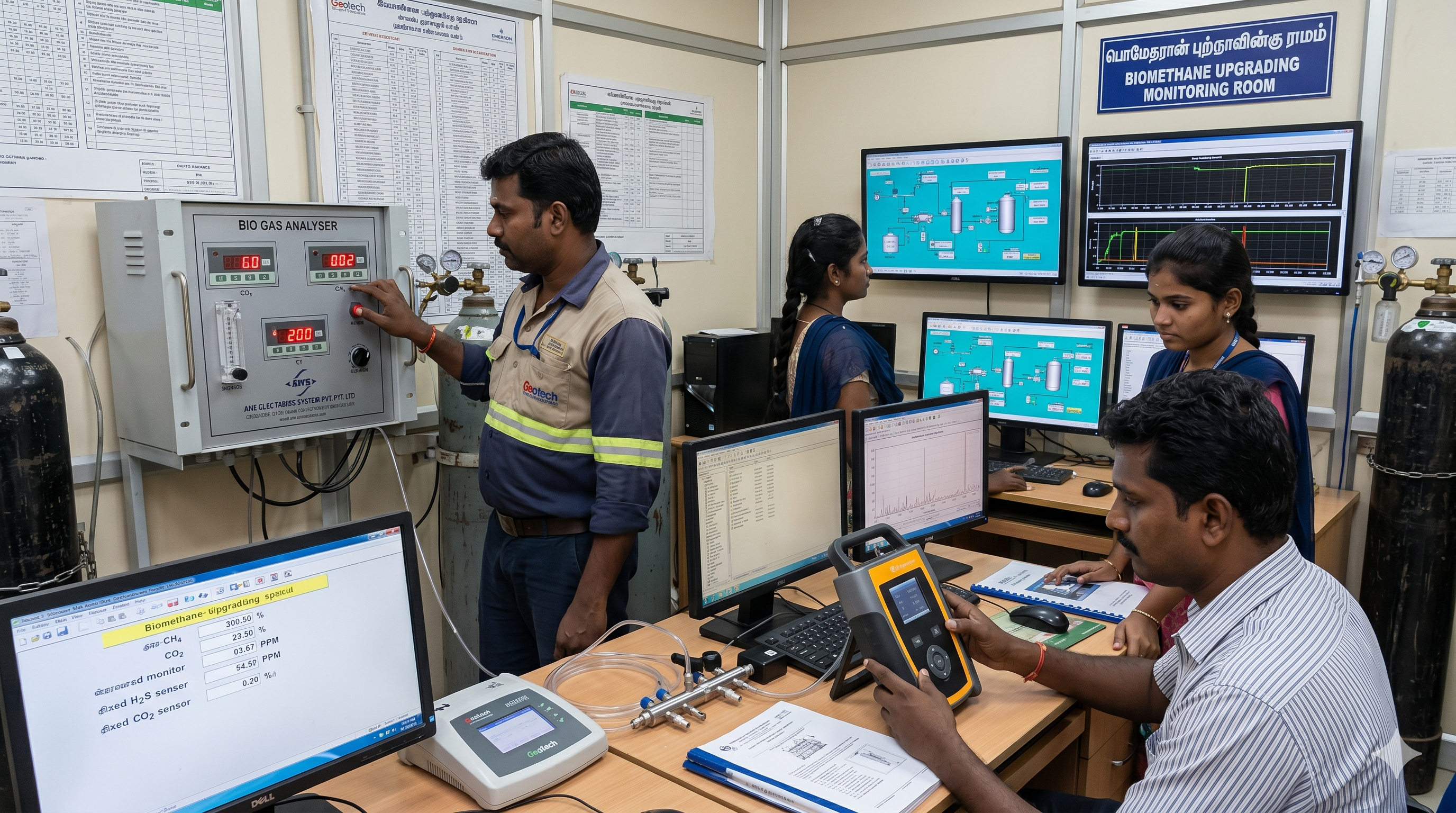
Biomethane Upgrading Monitors
- Ensures 100% pipeline-quality gas before grid injection.
- Validates precise CO₂ removal filtration efficiency.
- Monitors trace moisture and oxygen to meet strict utility rules.
- Lightning-fast TDLAS and optical sensor technology options.
Access Catalog
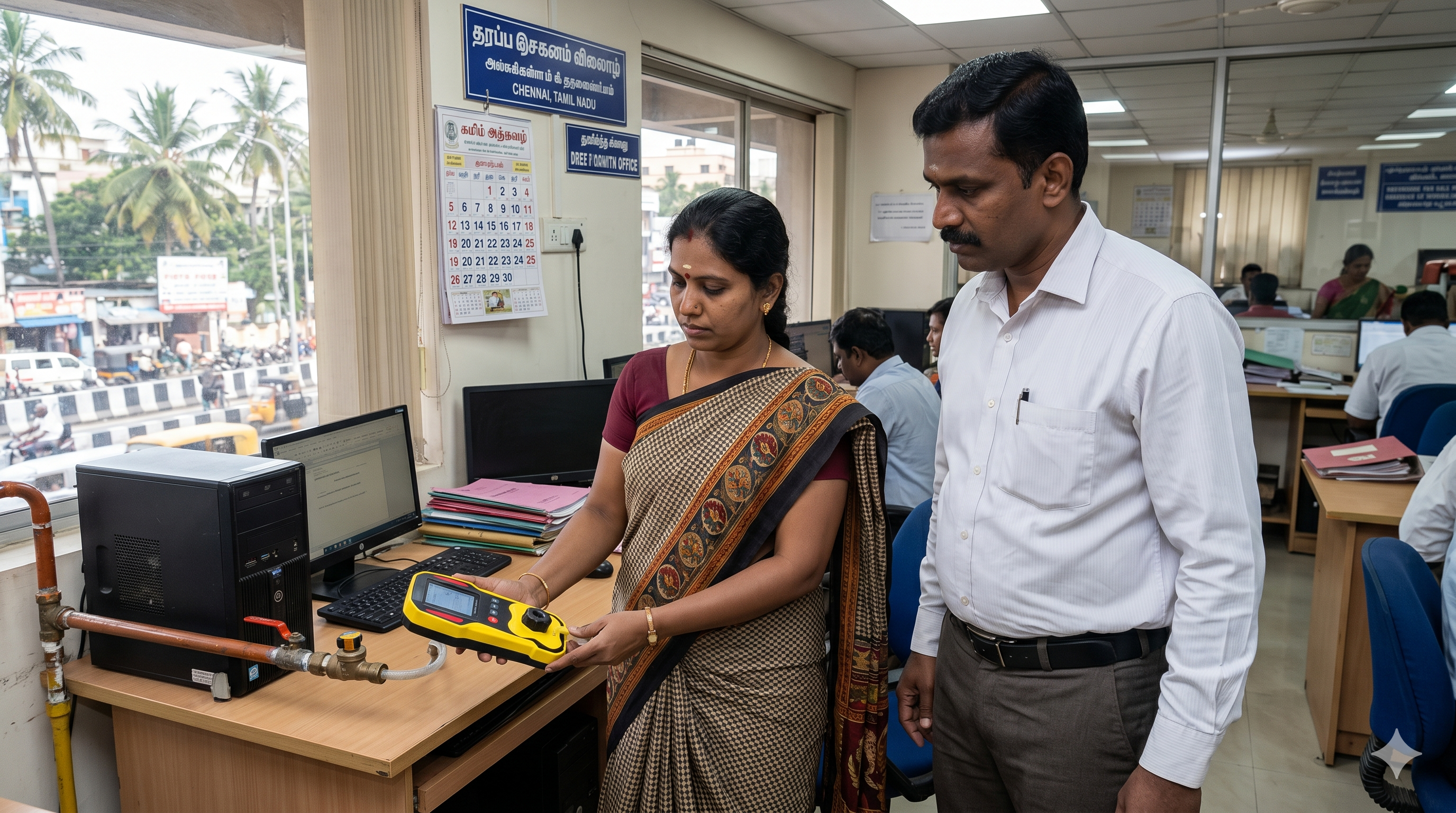
Handheld CH₄ Leak Detectors
- Pinpoints fugitive and dangerous methane emissions instantly.
- Utilizes high-sensitivity laser or fast-response FID technology.
- Absolutely essential for plant safety and environmental limits.
- Equipped with aggressive visual and audible leak rate alarms.
Access Catalog
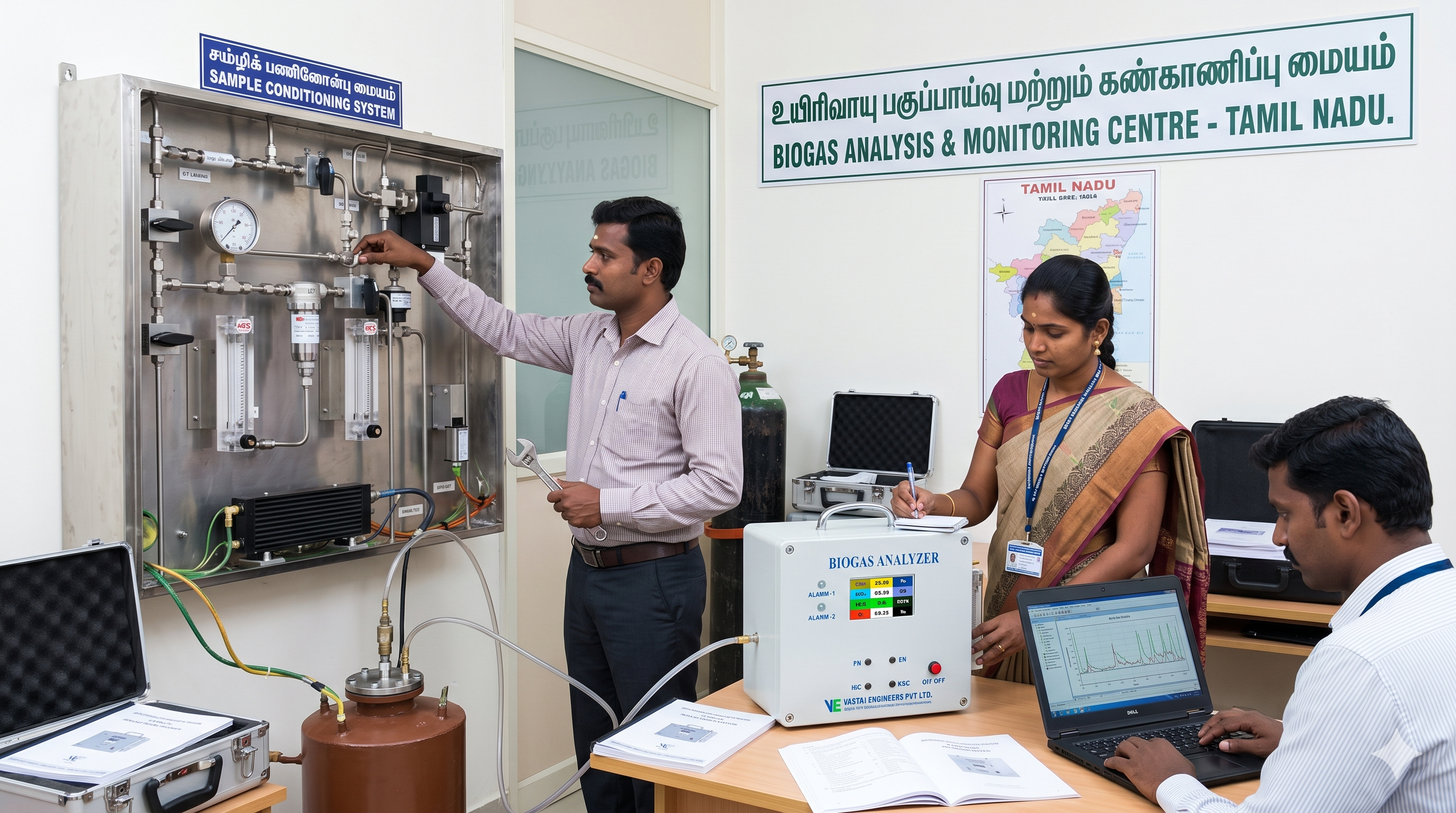
Sample Conditioning Systems
- Crucial hardware for drying and filtering raw, dirty biogas.
- Features integrated coalescing filters and Peltier gas coolers.
- Prevents sensor flooding and drastically extends analyzer lifespan.
- Successfully removes abrasive particulates and condensed water.
Access Catalog
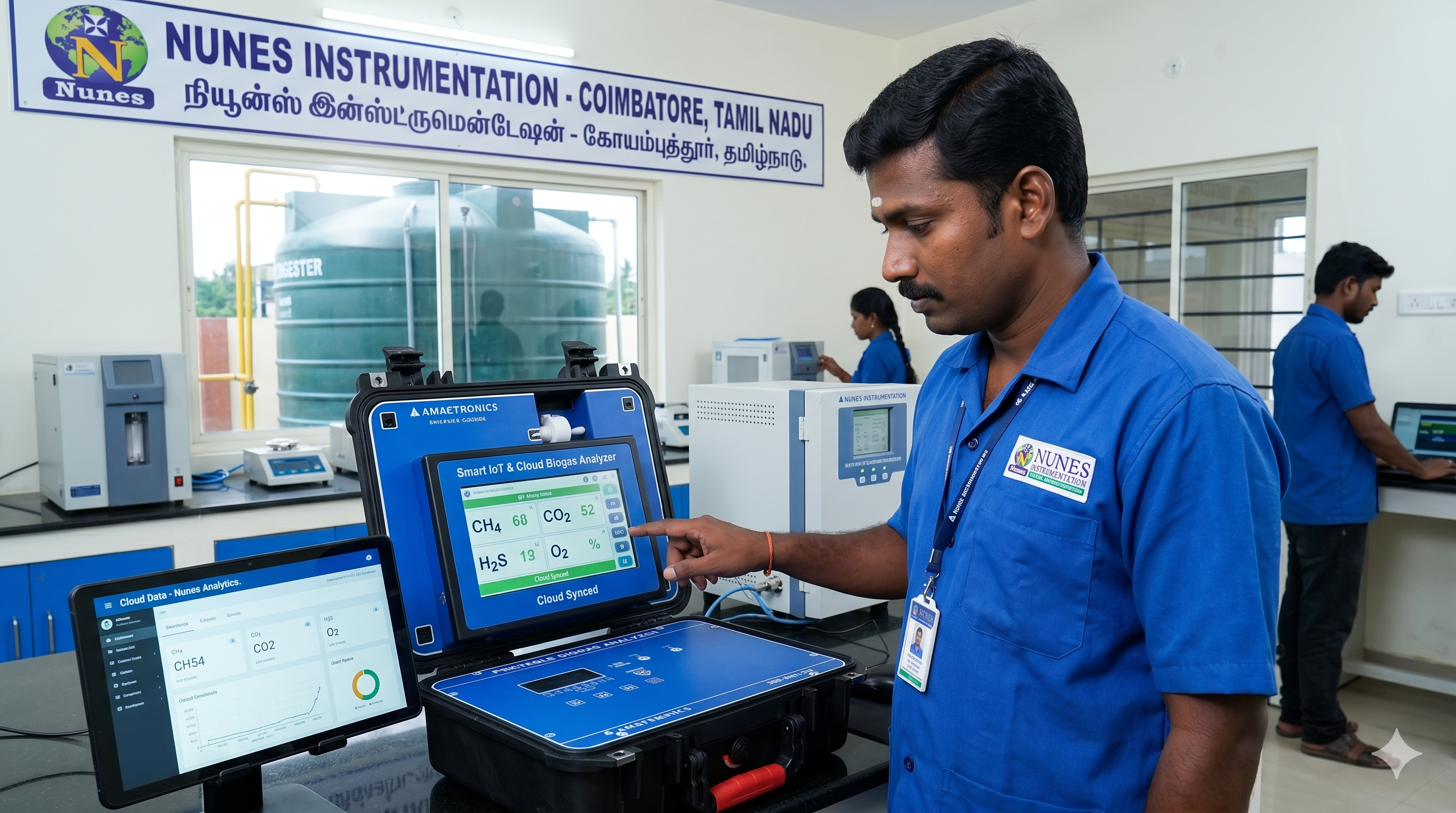
Smart IoT & Cloud Analyzers
- Wireless telemetry via industrial cellular or satellite networks.
- Remote dashboard analytics access for off-site plant managers.
- Automated SMS/Email alerts triggered during process deviations.
- Provides highly secure, cloud-backed historical data storage.
Access Catalog
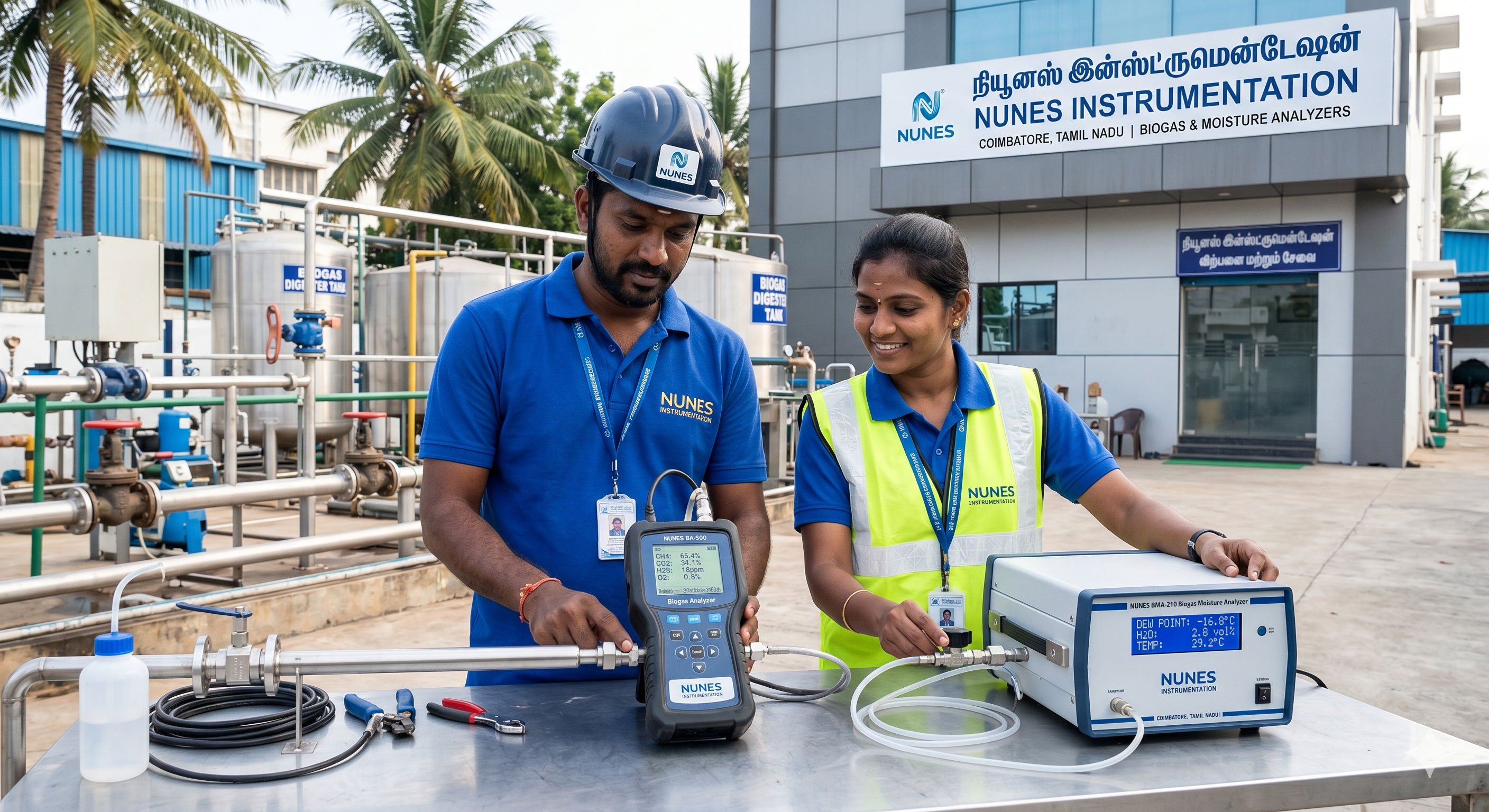
Biogas Moisture Analyzers
- Actively prevents pipeline condensation and expensive corrosion.
- Provides accurate dew point and absolute humidity tracking.
- Essential validation step prior to activated carbon filtration.
- Non-contact laser options available for maintenance-free operation.
Access Catalog
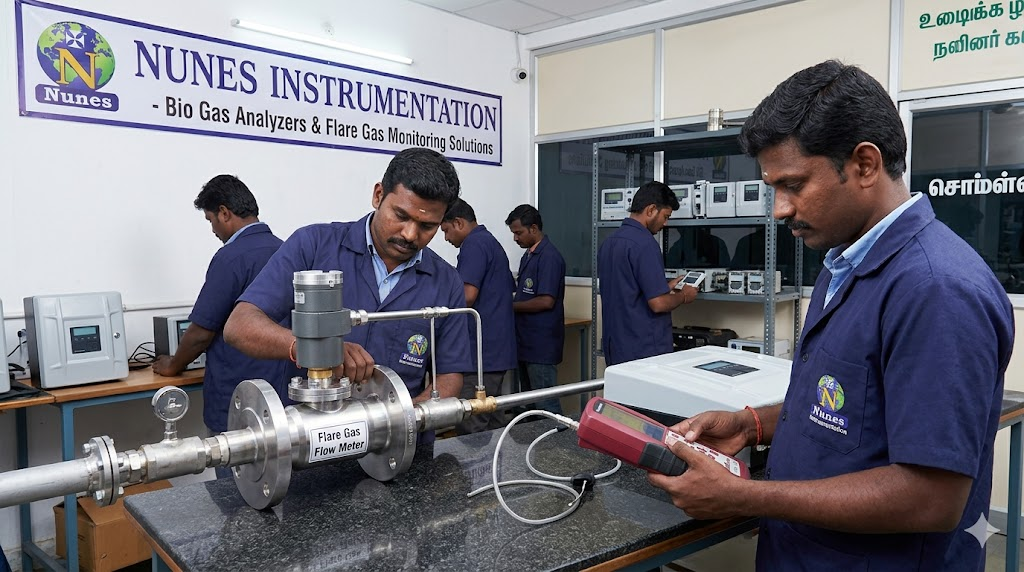
Flare Gas Flow & Emissions
- Monitors exact gas flow rate and composition to open flares.
- Calculates strict greenhouse gas destruction efficiency rates.
- Complies directly with strict global environmental reporting mandates.
- Employs rugged thermal mass and ultrasonic flow technologies.
Access Catalog
No Categories Found
Try adjusting your search terminology.
Enterprise Biogas Protocol
Accurate measurement of biogas composition is critical for optimizing anaerobic digestion, preventing engine corrosion from H₂S, and ensuring the calorific value of biomethane prior to grid injection or combustion.
NDIR (Infrared)
Best For: CH₄ and CO₂Uses infrared light to detect the concentration of specific gases based on their absorption wavelengths. Offers excellent long-term stability and is unaffected by highly toxic background gases.
Applications:
Primary measurement of Methane (0-100%) and Carbon Dioxide (0-100%) in continuous online digester monitoring.
Electrochemical Sensors
Best For: H₂S and O₂Produces an electrical current proportional to the concentration of the target gas. Highly sensitive to trace levels of toxic and corrosive gases.
Applications:
Detecting highly corrosive Hydrogen Sulfide (H₂S) to protect CHP engines, and monitoring Oxygen (O₂) to prevent explosive mixtures.
TCD (Thermal Conductivity)
Best For: Hydrogen (H₂) in SyngasMeasures the thermal conductivity of a gas mixture compared to a reference gas. Extremely robust and reliable for high concentrations of light gases.
Applications:
Biomass gasification, Syngas composition analysis, and processes where Hydrogen is a significant byproduct.
Paramagnetic Sensors
Best For: High Precision O₂Utilizes the magnetic susceptibility of oxygen molecules to measure concentration. Unlike electrochemical sensors, it has no consumable parts and does not degrade over time.
Applications:
Continuous background oxygen monitoring where long-term stability and absolute accuracy are mandatory.
TDLAS (Laser)
Best For: Moisture (H₂O) & Trace GasTunable Diode Laser Absorption Spectroscopy offers lightning-fast, highly specific measurements without physical contact with the corrosive gas stream.
Applications:
Real-time moisture monitoring before carbon bed filters and highly specific trace gas detection in biomethane upgrading.
PID (Photoionization)
Best For: VOCs & SiloxanesUses high-energy UV light to ionize and detect volatile organic compounds that can crystallize into silica and destroy valuable CHP engines.
Applications:
Pre-engine siloxane detection, general VOC emissions monitoring, and biogas polishing evaluation.
Sensor Technology & Range Matrix
| Sensor Technology | Target Gas | Measurement Range | Sensor Lifespan & Maintenance Profile |
|---|---|---|---|
| NDIR (Infrared) | CH₄ CO₂ | 0 - 100% Volume | 5+ Years. Requires periodic zero/span calibration. Highly durable against gas poisoning. |
| Electrochemical | H₂S | 0 - 5000 ppm | 12-24 Months. Consumable sensor; depletes rapidly in extreme high H₂S environments without dilution. |
| Electrochemical | O₂ | 0 - 25% Volume | 12-24 Months. Consumable; exposed to ambient air continuously, requiring routine replacement. |
| TCD | H₂ (Hydrogen) | 0 - 100% Volume | 5+ Years. Very robust, but cross-sensitive if background gases (like CO₂) change drastically. |
| Paramagnetic | O₂ (Oxygen) | 0 - 100% Volume | 10+ Years. Non-depleting. High initial cost but offers the lowest total cost of ownership (TCO). |
| TDLAS (Laser) | H₂O Trace CH₄ | 0 - 5000 ppm | 10+ Years. Non-contact measurement means zero degradation from corrosive gases. High initial CAPEX. |
| PID (Photoionization) | VOCs Siloxanes | 0 - 1000 ppm | 1-2 Years (UV Lamp). Requires regular lamp cleaning and calibration depending on gas dirtiness. |
Mission-Critical Selection Criteria
Biogas is inherently wet, dirty, and corrosive. Selecting the right analyzer requires assessing the process conditions beyond just the target gases to guarantee continuous uptime.
1. Sample Conditioning Requirements
Raw biogas contains high moisture and particulates. Analyzers require a proper conditioning system (moisture catchers, coalescing filters, and Peltier coolers) to prevent sensor flooding and extend lifespan.
2. High H₂S Environments
If your digester produces H₂S levels exceeding 5000 ppm, standard electrochemical sensors will deplete rapidly. Specialized dilution modules or high-range sensors must be specified to prevent constant failure.
3. Integration & Automation
For CHP (Combined Heat and Power) engine protection, online analyzers must feature 4-20mA or Modbus RTU outputs to automatically trigger shut-off valves if O₂ or H₂S levels spike dangerously high.
4. Hazardous Area Compliance
Landfill and biogas upgrading plants often have explosive atmospheres (Zone 1 or Zone 2). Ensure the selected analyzer has appropriate ATEX / IECEx certifications or explosion-proof enclosures.
5. Auto-Calibration Cycles
To reduce manual intervention at remote biogas sites, opt for systems with built-in auto-calibration valves that can automatically cycle zero-air and span-gas at programmed intervals.
6. Siloxane Contamination
Siloxanes (common in landfill and sewage gas) burn into silicon dioxide, acting like abrasive sand inside CHP engines. Upstream monitoring is essential to schedule carbon bed filter replacements.
7. Cross-Sensitivity Management
In mixed-gas environments, background gases can interfere with sensor readings (e.g., high H₂ interfering with standard CO sensors). Specifying compensated sensors guarantees data integrity.
Primary Deployment Sectors
Agricultural Digesters
Monitoring precision agriculture outputs, manure, and crop-residue digesters for optimal biomethane yield and fermentation stability.
Wastewater Treatment (WWTP)
Managing sludge digesters and preventing severe H₂S corrosion in plant infrastructure and piping networks.
Municipal Solid Waste (MSW)
Continuous landfill gas extraction monitoring to ensure safe flaring, emissions compliance, or gas engine combustion.