Precision Anemometers
Engineered to measure and analyze wind speed, air velocity, and volumetric airflow across industrial, meteorological, and HVAC applications.
Widely Used By
HVAC Technicians Meteorologists Industrial Safety Engineers Aerospace Researchers Environmental Consultants
Key Purposes
Airflow Balancing (CFM/CMM) Weather Monitoring Ventilation Compliance Wind Turbine Assessment Aerodynamic Testing
Single Tap to Scroll • Double Tap to Open Catalog
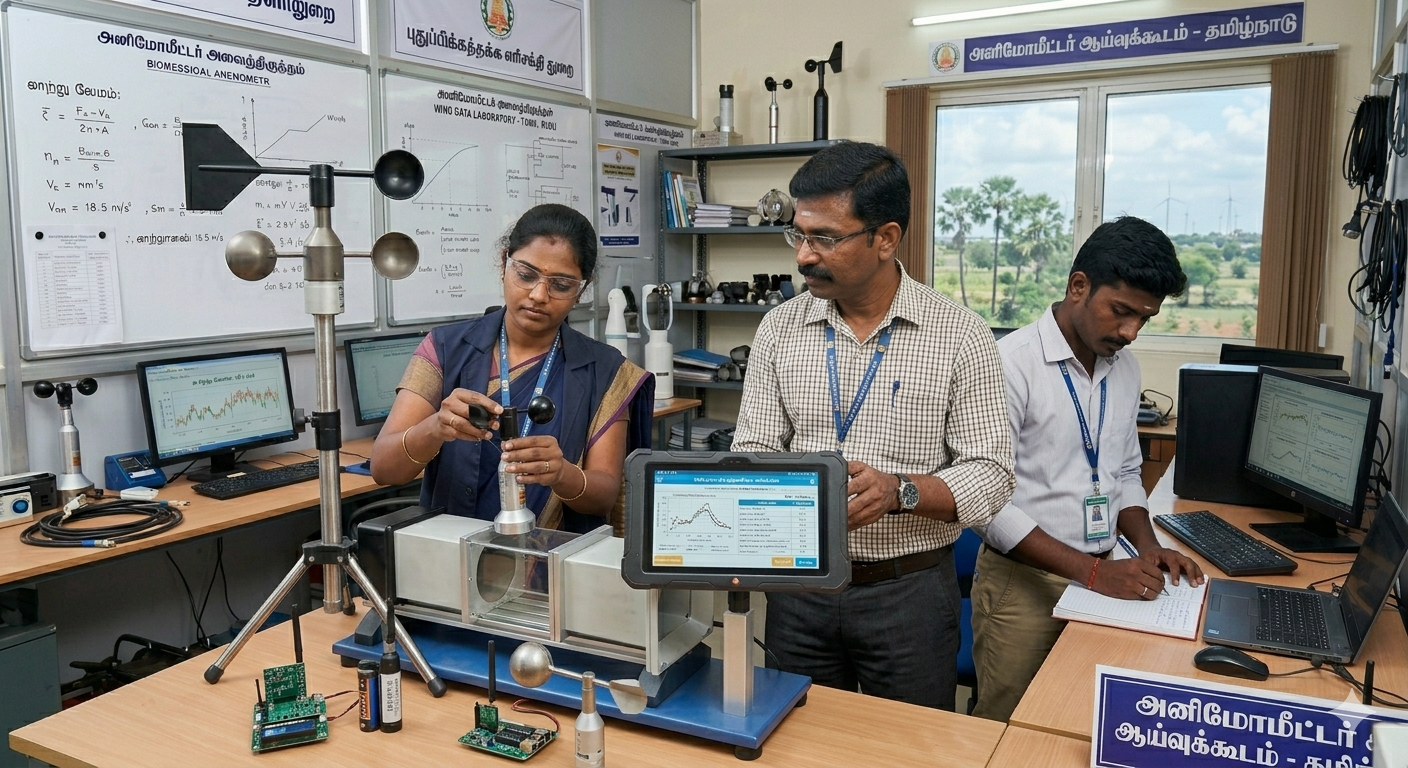
Cup Anemometers
- Omnidirectional aerodynamic design capturing wind horizontally.
- Built incredibly rugged and highly durable for outdoors.
- Ideal for weather stations, agriculture, aviation, and towers.
- Typical measurement range from 1.0 to over 60 m/s.
Access Catalog
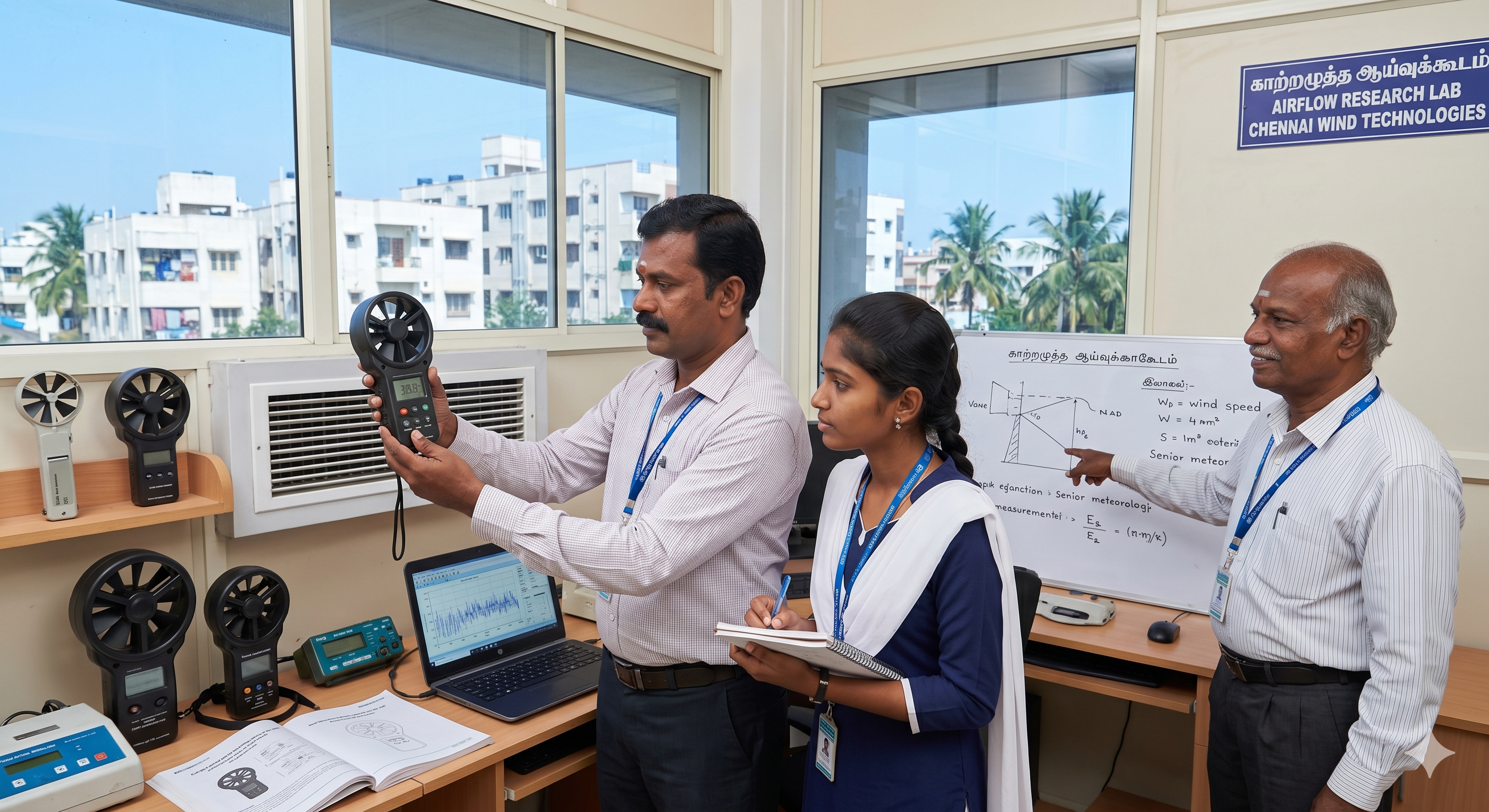
Vane Anemometers
- Utilizes a rotating impeller based on rotational frequency.
- Best suited for area averaging and calculating total air volume (CFM).
- Commonly applied in exhaust grilles and server room cooling.
- Operates effectively within a velocity range of 0.4 to 40 m/s.
Access Catalog

Hot Wire Anemometers
- Heated wire element cooled by incoming airflow.
- Provides exceptionally high sensitivity at ultra-low speeds (0.1 to 30 m/s).
- Recommended for indoor HVAC ducts and biological safety cabinets.
- Requires smooth flow; fails in dusty or wet conditions.
Access Catalog
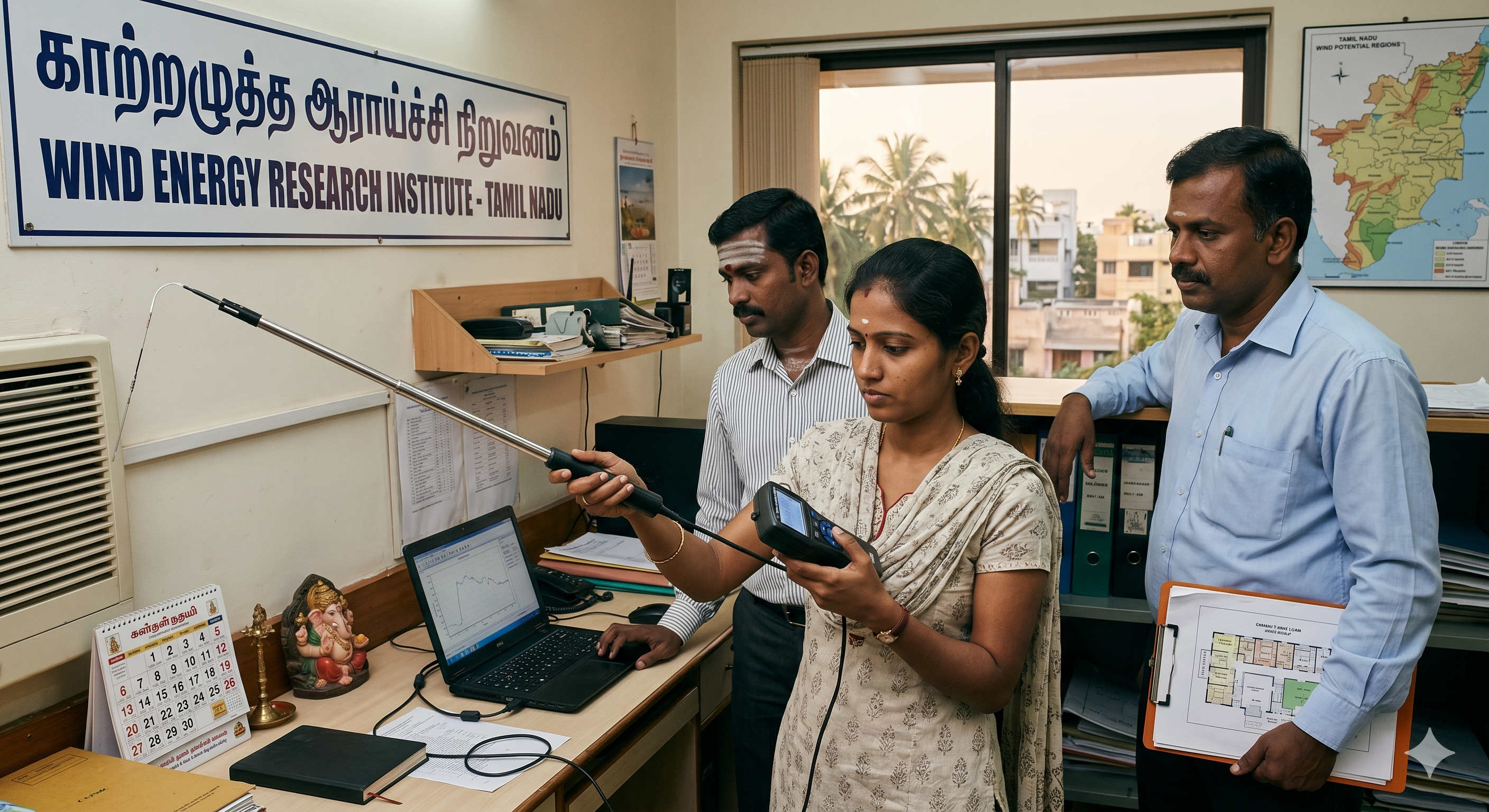
Thermal Anemometers
- Utilizes a heated thermistor to determine precise air velocity.
- Perfect for detailed draft analysis and precise point-measurements.
- Optimized for low-velocity environments indoors.
- Not suitable for environments with high moisture or heavy dust.
Access Catalog

Ultrasonic Anemometers
- Measures time-of-flight of high-frequency sound pulses.
- Zero moving parts; completely immune to bearing wear or freezing.
- Unaffected by air density changes for zero-maintenance setups.
- Widely used in offshore marine and advanced meteorology (0 to 75 m/s).
Access Catalog
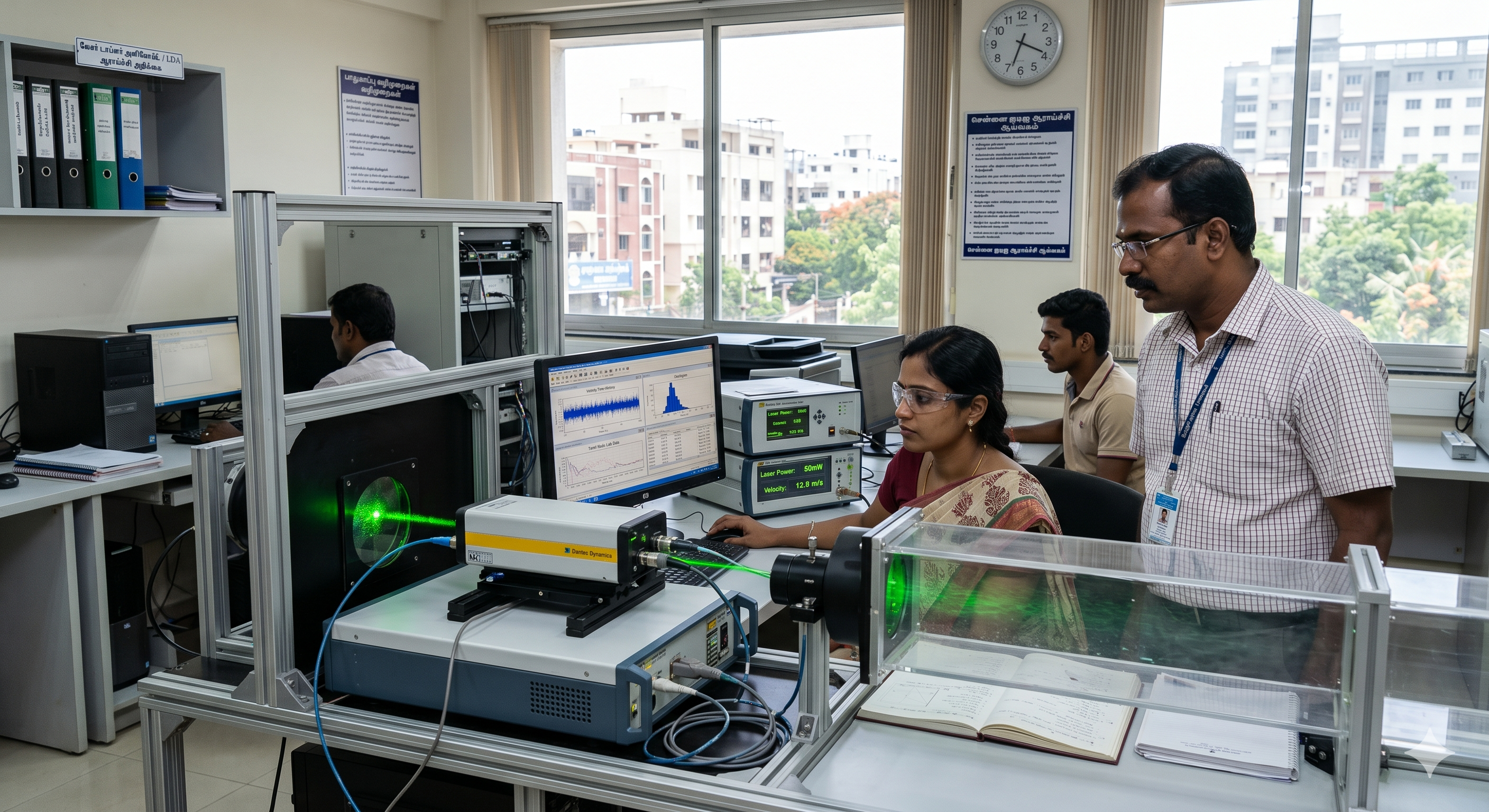
Laser Doppler Anemometers
- Non-intrusive optical technique for continuous flow measurement.
- Offers unparalleled, absolute precision without disturbing airflow.
- Primarily used in aerospace wind tunnels and fluid mechanics R&D.
- Capable of measuring extreme ranges up to supersonic speeds.
Access Catalog

Portable / Handheld Anemometers
- Compact, mobile instruments for immediate field assessments.
- Designed for fast, on-the-go airflow measurement.
- Frequently utilized by environmental consultants.
- Crucial for industrial safety engineers performing diagnostic checks.
Access Catalog
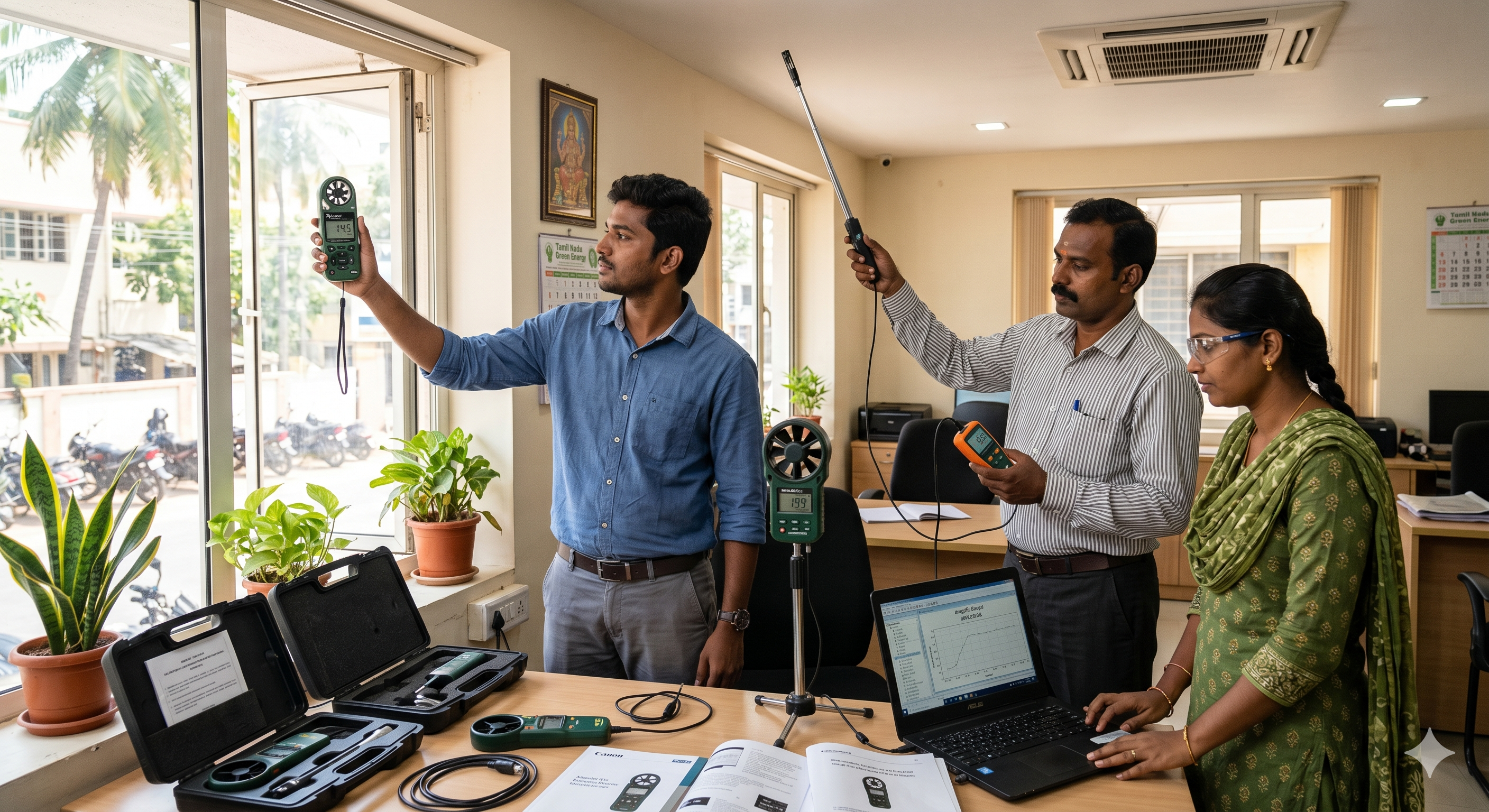
Digital Anemometers
- Electronic devices providing instant readouts of wind speed.
- Engineered to easily replace older mechanical dials.
- Offers highly accurate digital data for modern analysis.
- Often features backlit screens for clear data visualization.
Access Catalog
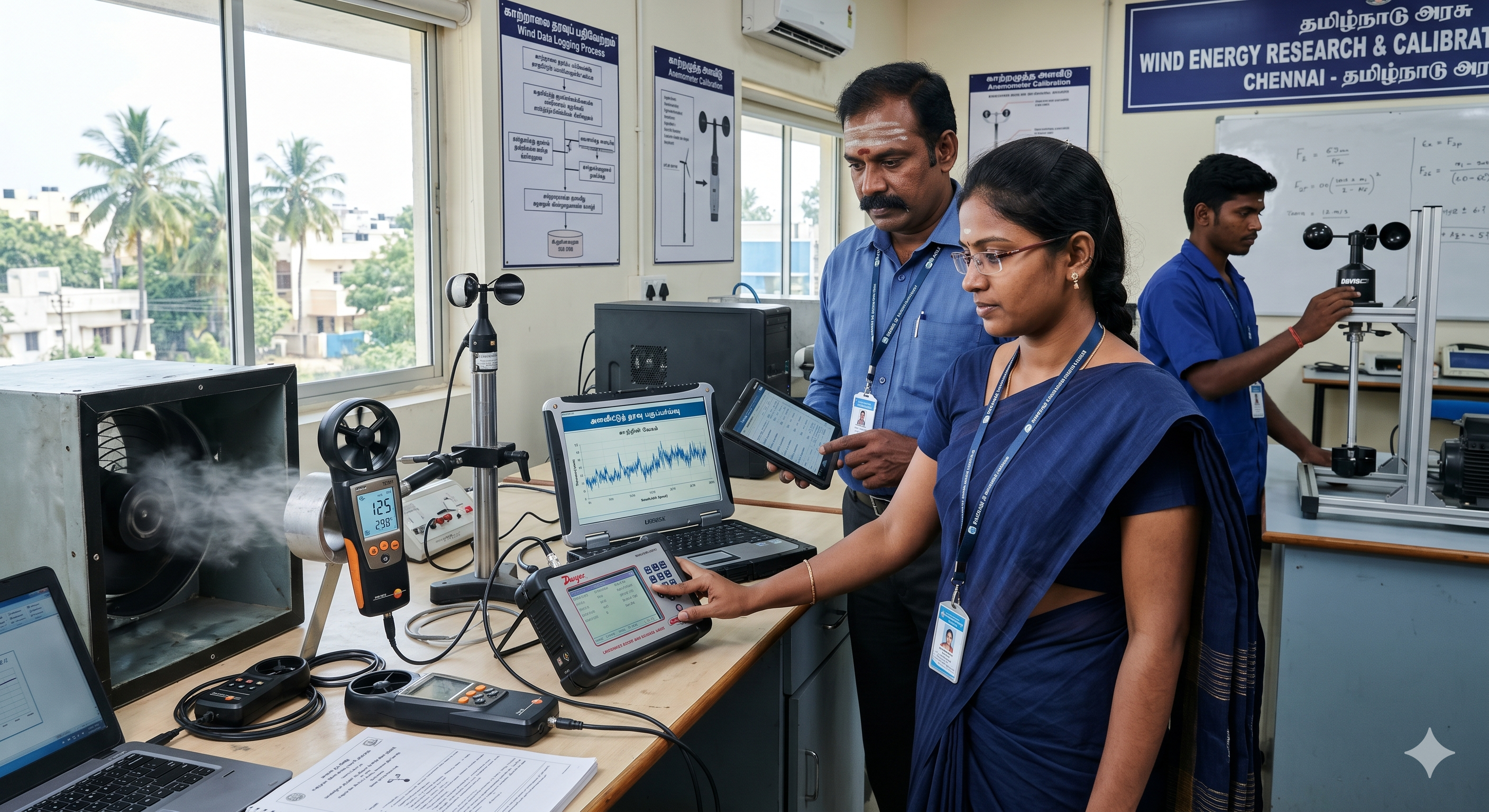
Data Logging Anemometers
- Equipped with internal memory for continuous data recording.
- Stores airflow data securely over extended operational periods.
- Essential for facilities requiring strict historical tracking.
- Often features RS485 (Modbus) or 4-20mA analog output protocols.
Access Catalog

Wireless / IoT Anemometers
- Advanced smart sensors capable of direct IoT cloud logging.
- Eliminates the necessity for standalone manual readouts.
- Provides real-time remote monitoring across large facilities.
- Allows managers to track ventilation data seamlessly over networks.
Access Catalog
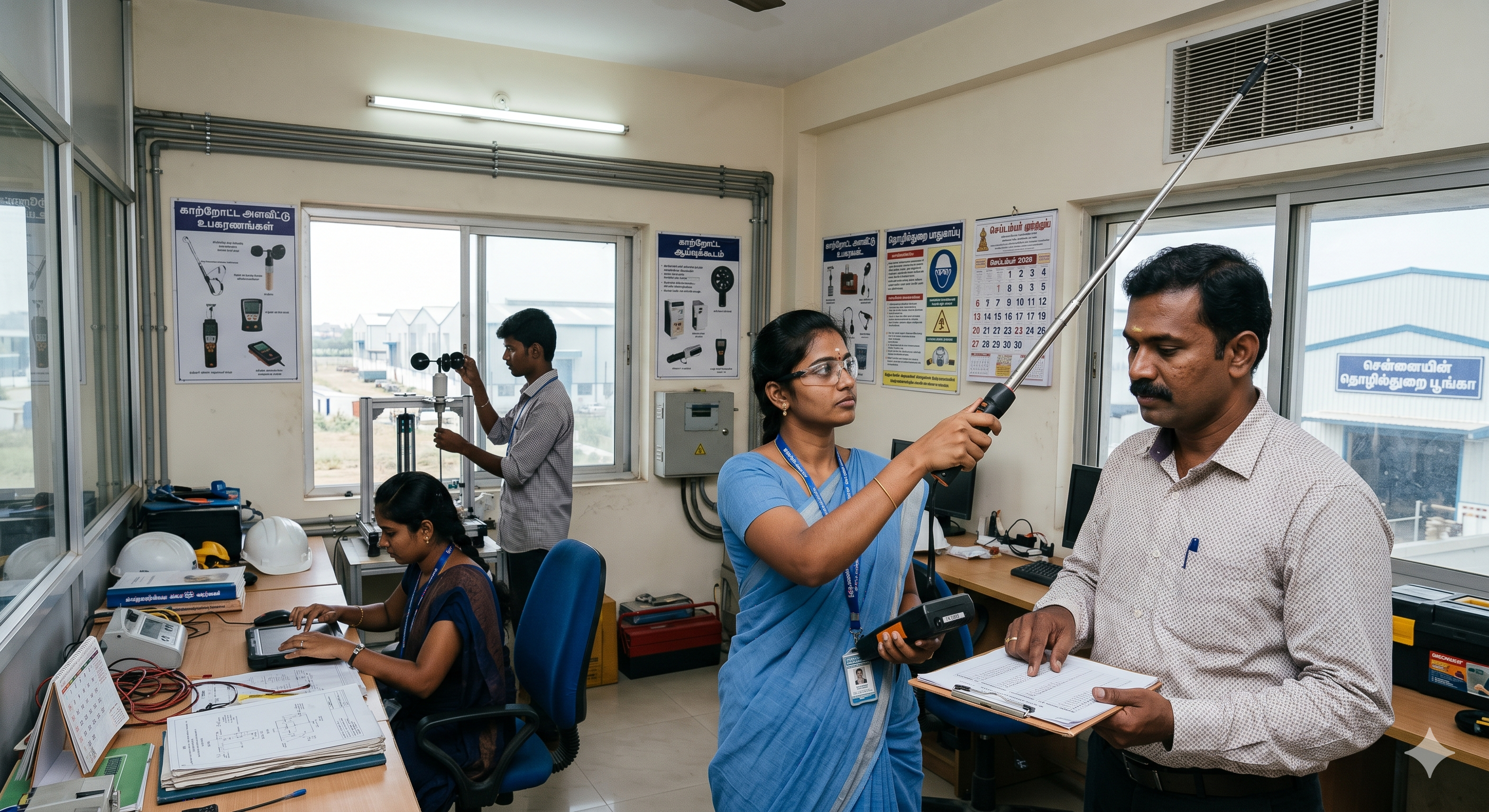
Industrial Airflow Instruments
- Heavy-duty engineering designed to survive harsh physical conditions.
- Resilient against extreme heat, heavy dust, and corrosive gases.
- Includes Pitot tube technologies for dynamic vs static pressure.
- Ideal for industrial exhaust stacks and chimneys up to 1000°C.
Access Catalog

HVAC Air Velocity Meters
- Crucial dedicated tools for system airflow balancing (CFM/CMM).
- Ensures strict commercial building ventilation compliance.
- Utilizes Vane formats for broad area averaging at grilles.
- Pairs with Hot Wire sensors for ultra-precise inner duct mapping.
Access Catalog

Weather Station Anemometers
- Meteorological grade instruments for continuous outdoor monitoring.
- Built for long-term survival in shifting climate conditions.
- Utilizes rugged Cup designs for multidirectional durability.
- Alternatively utilizes Ultrasonic sensors for zero-maintenance reliability.
Access Catalog
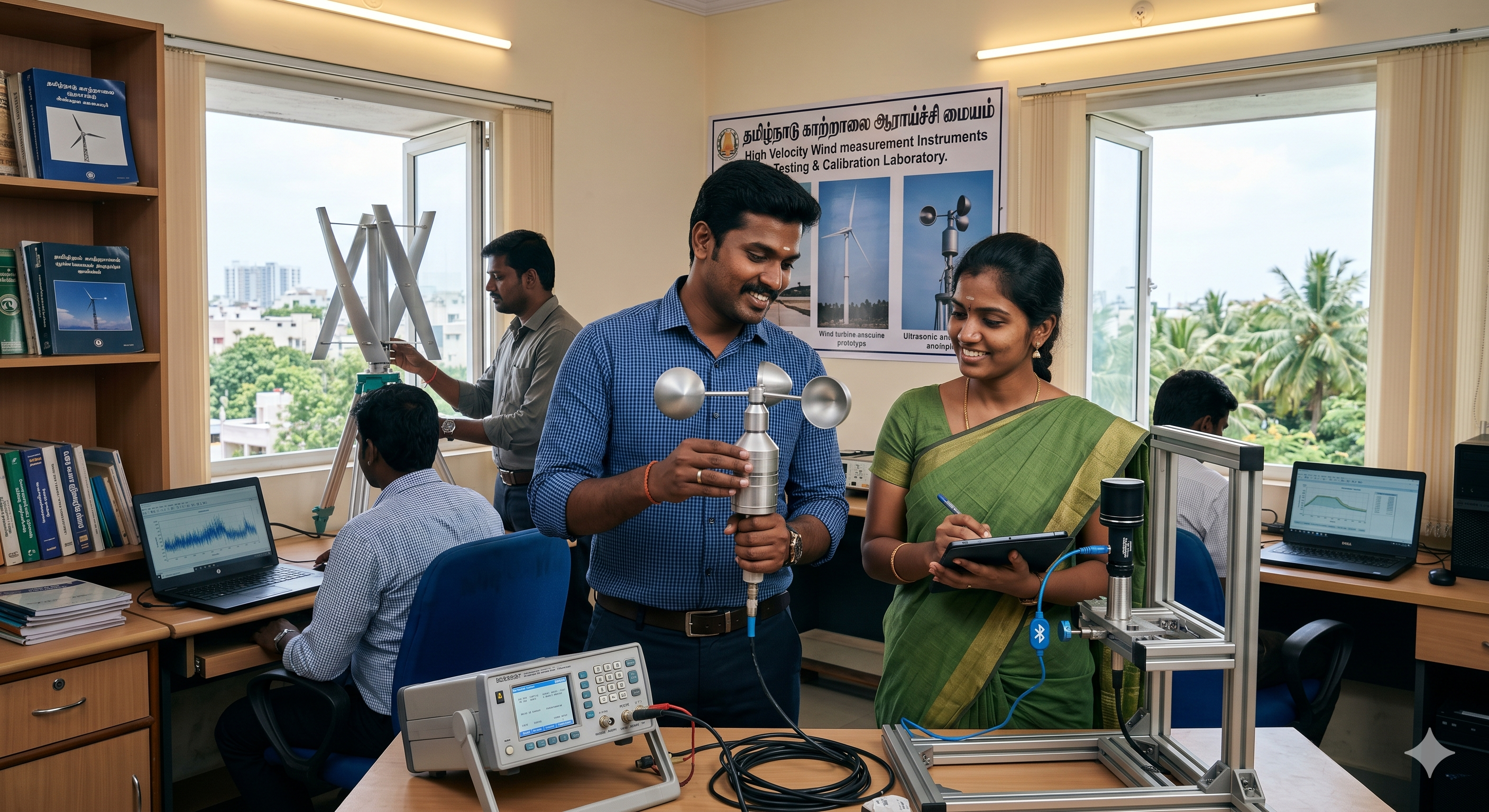
High Velocity Wind Instruments
- Specially constructed to withstand extreme aerodynamic forces.
- Pitot tube instruments excel fundamentally in this extreme category.
- Handles high-velocity industrial exhaust pipelines effortlessly.
- Ideal for jet engine testing with speed ranges from 2.0 to over 100 m/s.
Access Catalog

Low Velocity / Micro Airflow
- Exceptionally sensitive instruments for minute air movements.
- Detects subtle draft leakages in sealed environments.
- Dominated by Hot Wire and Thermal core measurement technologies.
- Precisely measures ultra-low velocities starting accurately from 0.1 m/s.
Access Catalog
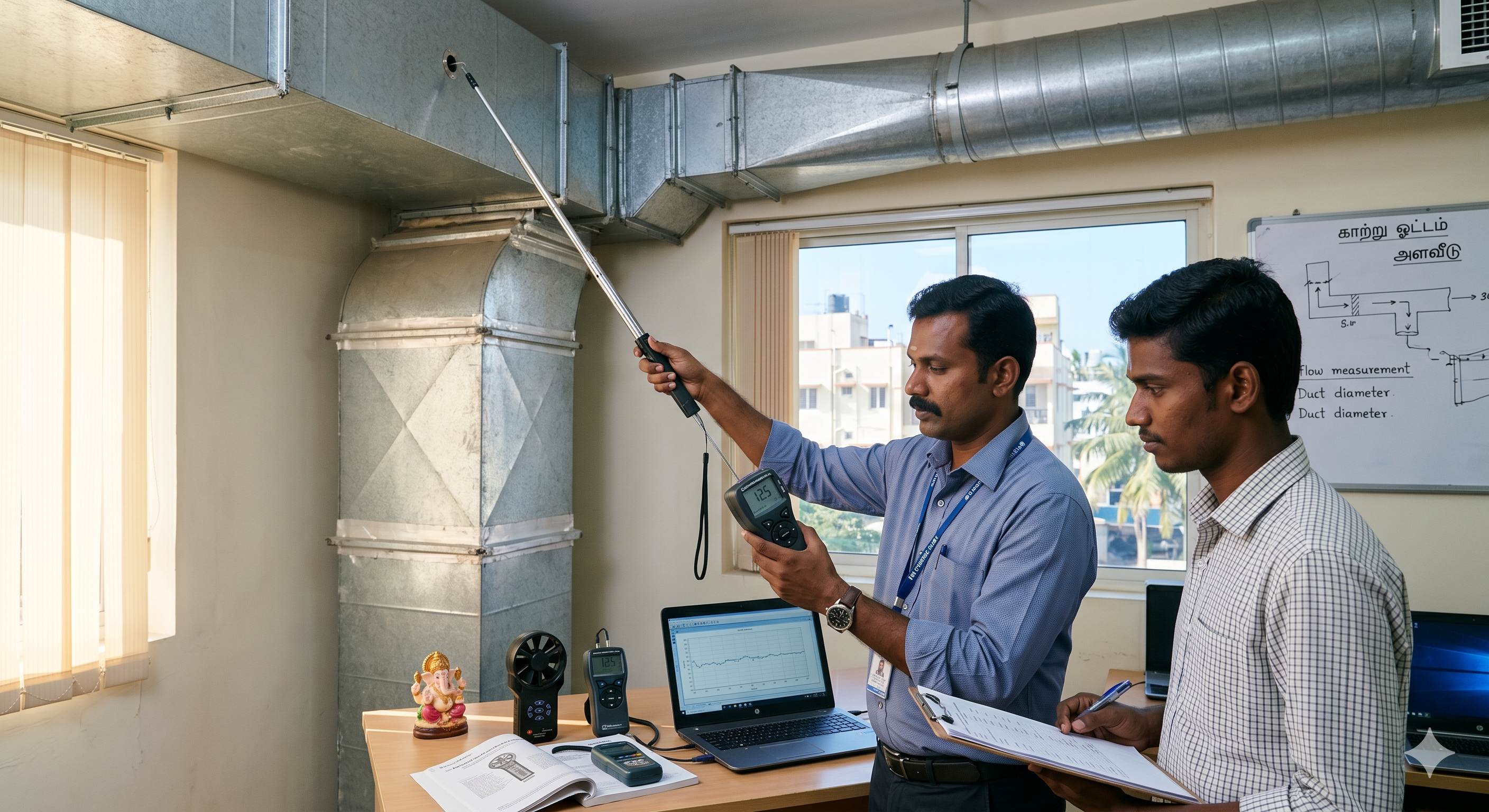
Duct Airflow Measurement
- Specialized probes inserted to evaluate velocity inside enclosed pathways.
- Crucial for mapping correct volumetric distribution.
- Hot Wire sensors preferred for clean indoor duct probing.
- Pitot tubes mandatory for high-temperature or heavily industrial flows.
Access Catalog
No Categories Found
Try adjusting your search terminology.
Enterprise Airflow Protocol
Understanding the core operating principles of airflow measurement ensures the selection of the correct instrument for HVAC, industrial safety, meteorology, or mission-critical laboratory applications. Selecting the wrong sensor can lead to inaccurate data, process inefficiencies, or premature equipment failure.
Thermal / Hot Wire
Best For: Ultra-low velocitiesUtilizes a heated element (wire or thermistor) that is cooled by incoming airflow. The power required to maintain the element's temperature correlates directly to air velocity.
Applications:
HVAC ducts, cleanrooms, biological safety cabinets, and draft analysis.
*Not for dusty/wet environments.
*Not for dusty/wet environments.
Vane / Rotor
Best For: Area Averaging & CFMA rotating impeller (propeller) determines wind speed based on rotational frequency. Available in micro-vane sizes or large diameters (100mm+) for broad face velocity.
Applications:
Calculating total air volume (CFM/CMM) in exhaust grilles, mine ventilation, and server room cooling.
Cup / Meteorological
Best For: Outdoor WeatherAn omnidirectional, aerodynamic design consisting of cups mounted on a vertical axis, capturing wind from any horizontal direction. Built incredibly rugged.
Applications:
Weather stations, agriculture, aviation, and tower/crane safety alarms.
Ultrasonic (Acoustic)
Best For: Zero MaintenanceMeasures the time-of-flight of high-frequency sound pulses between transducers. Features absolutely no moving parts, making it immune to bearing wear or freezing.
Applications:
Offshore marine stations, advanced meteorology, and wind turbine control (2D/3D).
Pitot Tube (Pressure)
Best For: Extreme IndustrialA probe inserted into a duct that measures velocity by comparing dynamic pressure against static pressure. Requires a high-precision digital manometer.
Applications:
High-velocity exhaust stacks, jet engine testing, chimneys (up to 1000°C).
Laser Doppler (LDA)
Best For: Absolute Precision R&DNon-intrusive optical technique for continuous measurement of velocity and turbulence distribution. Offers unparalleled accuracy without disturbing flow.
Applications:
Aerospace wind tunnels, fluid mechanics research, and supersonic flow.
Technology Application Matrix
| Technology Type | Best For (Environment) | Velocity Range | Key Advantage |
|---|---|---|---|
| Hot Wire (Thermal) | Indoor / Ducts / Cleanrooms | 0.1 to 30 m/s | High sensitivity at ultra-low speeds; compact probe. |
| Vane (Propeller) | Grilles / Registers / Mines | 0.4 to 40 m/s | Easy area averaging & volume calculation (CFM). |
| Cup Anemometer | Outdoor / Industrial Towers | 1.0 to 60+ m/s | Direction independent, highly durable for weather. |
| Ultrasonic (Sensor) | Meteorology / Marine | 0 to 75 m/s | No moving parts, zero wear, unaffected by air density. |
| Pitot Tube | Industrial Stacks / High Temp | 2.0 to 100+ m/s | Survives extreme heat, dust, and corrosive gases. |
| Laser Doppler (LDA) | Laboratory / R&D | 0 to Supersonic | Non-intrusive measurement with absolute precision. |
Mission-Critical Selection Criteria
When specifying an anemometer for an enterprise or industrial application, evaluate the following vital parameters to guarantee performance.
1. Flow Profile
Ensure the flow is laminar (smooth) before using point-measurement tools like hot wires. For turbulent flows, large vane anemometers or traversal averaging techniques are strictly required.
2. Environmental Hazards
Identify the presence of dust, moisture, or corrosive elements. Thermal sensors fail in dusty environments, whereas Pitot tubes and Cup anemometers excel in harsh physical conditions.
3. Data Integration
Modern automated facilities require instruments that offer RS485 (Modbus), 4-20mA analog outputs, or direct IoT cloud logging rather than simple standalone handheld readouts.